

A bearing press is a specialized machine designed to install and remove bearings from shafts or housings with precision and efficiency. As a leading bearing press supplier, I'm excited to share how these remarkable machines work and the benefits they offer across various industries.
Basic Components of a Bearing Press
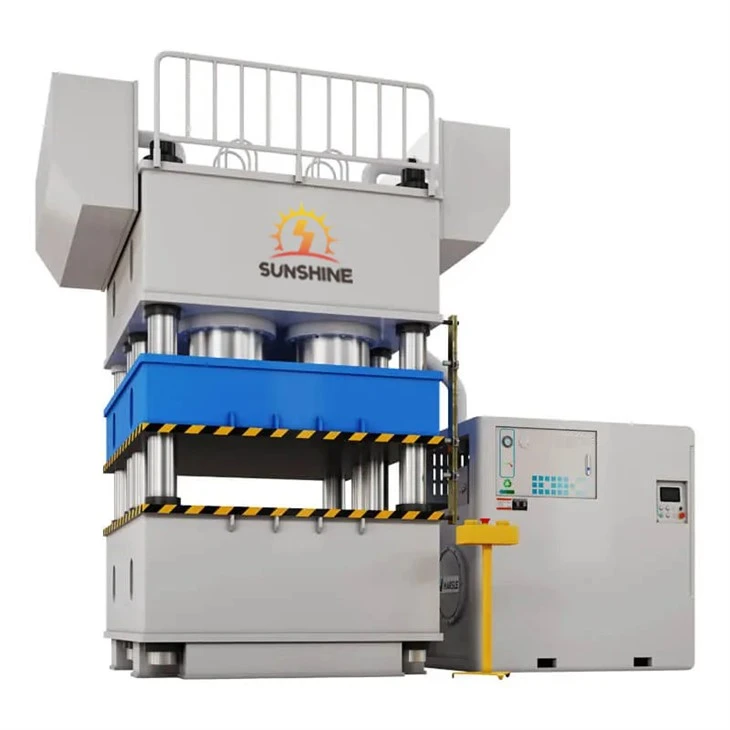
Before delving into how a bearing press operates, it's essential to understand its key components. A typical bearing press consists of a frame, a hydraulic or mechanical power source, a ram, and tooling. The frame provides the structural support for the machine, ensuring stability during operation. The power source generates the force required to press the bearing onto or off the shaft or housing. Hydraulic bearing presses are the most common type, as they offer high force capabilities and precise control. The ram is the moving part of the press that applies the force to the bearing. Tooling, such as adapters and dies, is used to ensure proper alignment and application of force to the bearing.
How a Hydraulic Bearing Press Works
Hydraulic bearing presses are widely used due to their ability to generate high forces with relatively small equipment. The operation of a hydraulic bearing press can be broken down into several steps:
1. Setup
The first step is to set up the bearing press for the specific job. This involves selecting the appropriate tooling, such as an adapter or die, to fit the bearing and the shaft or housing. The tooling is then installed on the ram and the base of the press. The bearing and the shaft or housing are also prepared by cleaning and lubricating them to ensure smooth installation or removal.
2. Loading
Once the setup is complete, the bearing and the shaft or housing are loaded onto the press. The bearing is placed on the shaft or in the housing, and the press is positioned so that the ram is aligned with the bearing.
3. Activation
The hydraulic system is then activated, typically by operating a control valve. The hydraulic pump draws hydraulic fluid from a reservoir and pressurizes it. The pressurized fluid is then directed to a hydraulic cylinder, which converts the fluid pressure into mechanical force. The ram, which is connected to the piston in the hydraulic cylinder, moves forward, applying force to the bearing.
4. Pressing
As the ram moves forward, it applies a controlled force to the bearing, gradually pressing it onto the shaft or out of the housing. The force applied by the ram is carefully monitored to ensure that it is within the recommended range for the bearing and the application. This prevents damage to the bearing or the shaft or housing.
5. Completion
Once the bearing is fully installed or removed, the hydraulic system is deactivated, and the ram is retracted. The bearing and the shaft or housing are then removed from the press, and the tooling is cleaned and stored for future use.
Advantages of Using a Bearing Press
Using a bearing press offers several advantages over other methods of bearing installation and removal:

Precision
Bearing presses provide precise control over the force applied to the bearing, ensuring that it is installed or removed without damage. This is particularly important for high-precision applications, such as in the automotive and aerospace industries.
Efficiency
Bearing presses can significantly reduce the time and effort required to install or remove bearings. This increases productivity and reduces labor costs.
Safety
Using a bearing press eliminates the need for manual hammering or other potentially dangerous methods of bearing installation and removal. This reduces the risk of injury to workers.
Applications of Bearing Presses
Bearing presses are used in a wide range of industries, including automotive, aerospace, manufacturing, and maintenance. Some common applications include:
Automotive Industry
In the automotive industry, bearing presses are used to install and remove bearings in engines, transmissions, and wheel hubs. For example, a 630T Wheel And Axle Press With PLC can be used to press bearings onto axles and wheels with high precision and efficiency.
Aerospace Industry
In the aerospace industry, bearing presses are used to install and remove bearings in aircraft engines, landing gear, and other critical components. The high precision and reliability of bearing presses are essential for ensuring the safety and performance of aircraft.
Manufacturing Industry
In the manufacturing industry, bearing presses are used to assemble products that require bearings, such as motors, pumps, and conveyor systems. A 500T Train Axle Hydraulic Press Machine can be used to press bearings onto train axles during the manufacturing process.
Maintenance Industry
In the maintenance industry, bearing presses are used to replace worn or damaged bearings in equipment. This helps to extend the lifespan of the equipment and reduce downtime.
Large Horizontal Hydraulic Machine Tools
For larger applications, such as the disassembly and assembly of train axles and other large components, Large horizontal hydraulic machine tool are used. These machines offer high force capabilities and are designed to handle large and heavy components.
Contact for Purchase and Consultation
If you're in the market for a bearing press or need more information about our products, we encourage you to contact us. Our team of experts can help you select the right bearing press for your specific needs and provide you with detailed information about our products and services. Whether you're a small workshop or a large manufacturing facility, we have the bearing press solutions to meet your requirements.
References
- Machinery's Handbook, 31st Edition, Industrial Press Inc.
- Hydraulic Systems and Components: Design and Application, Fourth Edition, Ronald G. Anthony
- Bearing Installation and Removal Guide, SKF Group