

Advantages of Hydraulic Press
A wide range of designs
There are many different types of hydraulic presses suitable for different applications. Some of the different types of presses are; vertical h-frame style, c-frame presses, horizontal presses, movable table presses, tire presses, movable frame presses, and lab presses.
Smooth pressing
Hydraulics give you smooth, even pressure throughout the ram stroke. This allows tonnage to be achieved at any point of the ram travel unlike mechanical presses where you only get the tonnage is at the bottom of the stroke.
Pressure control
Many hydraulic presses have pressure relief valves available. You can dial in whatever pressure you require and the press will repeat that preset pressure consistently taking the guesswork out of the equation of too much or too little pressure.
Adaptability
Hydraulic presses can be adapted to your applications. Some common adaptations include; traversing workheads, pressure control, nose pieces, dual palm buttons, daylight modifications, and more.
-

Four-column Hydraulic Press For Fish Bait Block Molding
A fish bait powder forming hydraulic press is a specialized hydraulic machine used to compress fish bait powder or granular materials into specific shapes (such as blocks or discs). Its core function Add to Inquiry -
630 Tons One Output Two Salt Brick Machine
The cattle and sheep licking brick hydraulic press, through a scientific formula, processes the minerals, vitamins, and other trace elements and nutrients needed by large livestock such as cattle and Add to Inquiry -
315 Ton Hydraulic Press
Y32-315T Four-Column Hydraulic Press for Powder FormingFeaturing a modular design and a cartridge valve system, this machine is engineered specifically for large-scale industrial pressing Add to Inquiry -
300T Hydraulic Press
Y32-315T Hydraulic PressThis unit is a 300T Hydraulic Press designed for metal chip briquetting. It features an independent electrical system, centralized button controls, and is equipped with a Add to Inquiry -
Hydraulic Press Machine 300 Ton
300T Wheelbarrow Forming Hydraulic PressThis is a 300 ton hydraulic press machine designed specifically for the molding of wheelbarrows, featuring a three-beam, four-column structural configuration. Add to Inquiry -
500T Hydraulic Press
This is a 500t hydraulic press designed for forming mineral blocks for cattle and sheep. It is specifically engineered to precisely blend mineral elements, vitamins, trace elements, and other Add to Inquiry -
Precision Punch Machine
Product Overview SUNSHINE MACHINERY Y21 Series precision punch machines are high-performance, durable, and ultra-precise equipment purpose-built for metal stamping operations. Designed to meet the Add to Inquiry -
Sheet Metal Stamping Punching Press
Product Overview This C-frame sheet metal stamping punching press is engineered for precision stamping and complex forming processes. It combines powerful main stamping force with reliable lower Add to Inquiry -
Discount Metal Ware Stretch Forming Hydraulic Press
250T Metal Ware Stretch Forming Hydraulic PressStructure: Three-beam, four-column design; CO₂-welded steel plate frame.Process: Post-weld tempering and vibration stress relief ensure the frame Add to Inquiry -
Axle Press Machine Horizontal Hydraulic Press
The axle press machine is a specialized piece of equipment widely used in the automotive industry, designed for pressing and straightening key automotive components such as axles, drums, and stubs. Add to Inquiry -
Single Arm Hydraulic Press
AIN FUNCTIONSThis series of machine tools can be used for shafts and other similar calibration processes, for pressing and assembling of shafts and sleeves, as well as for stretching, forming and Add to Inquiry -
500T Frame Hydraulic Press
Energy Saving and Emission Reduction: The hydraulic system and electrical control of the frame hydraulic press both adopt an intelligent servo energy-saving system, effectively saving electricity!Low Add to Inquiry


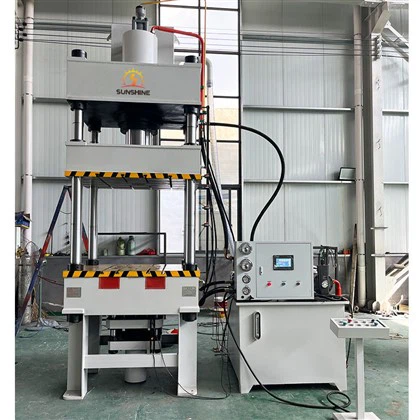
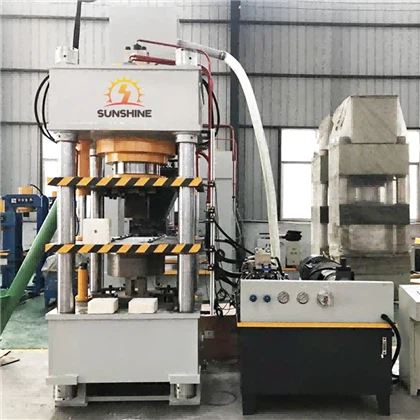


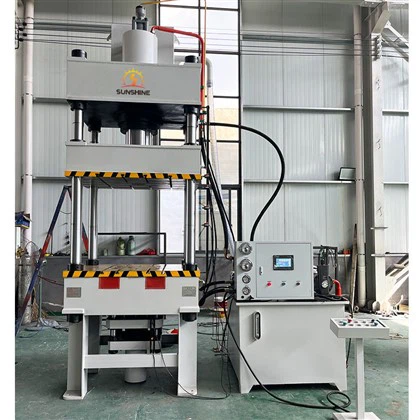


What is Hydraulic Press
Hydraulic press is a mechanical equipment commonly used in metal processing, which can apply high pressure to metal materials to achieve various processing requirements, such as pressing, bending, forging, piercing, etc. It is a powerful tool that can greatly improve production efficiency and quality of metal processing.
Why Choose Us
High quality
Our products are manufactured or executed to very high standards, using the finest materials and manufacturing processes.
Rich experience
Dedicated to strict quality control and attentive customer service, our experienced staff is always available to discuss your requirements and ensure complete customer satisfaction.
Quality control
We have professional personnel to monitor the production process, inspect the products and ensure that the final product meets the required quality level standards, guidelines and specifications.
24h online service
We try and respond to all concerns within 24 hours and our teams are always at your disposal in case of any emergencies.
Types of Hydraulic Press
Hydraulic press powder forming
The powder forming hydraulic press uses the pressure generated by the hydraulic system to press the powder into the mold. When the hydraulic oil is pumped into the hydraulic cylinder, the piston of the cylinder is lifted up, pushing the powder actuator to perform work. The flow of hydraulic oil in the hydraulic system determines the speed and pressure of powder forming.
Hydraulic forging press
This type of hydraulic press is designed for high-pressure forging operations. It can apply high pressure to produce metal parts with complex shapes and sizes, such as engine blocks, gears, and other components. The forging press can also be equipped with various tools and dies to achieve more precise forging operations.
Hydraulic punching press
This type of hydraulic press is used for piercing operations, such as making holes or slots in metal materials. It can apply high pressure to produce holes of different diameters and depths, which are essential for various applications, such as fasteners and welding equipment.
Sheet metal stretching hydraulic press
The metal sheet stretching hydraulic press uses the huge and controllable pressure generated by the hydraulic system and cooperates with special molds to pull the flat metal billet into the mold cavity to form hollow parts with deep and complex three-dimensional shapes (such as cup-shaped, box-shaped or complex curved parts).
How to Choose Hydraulic Press
1
Type of press: There are various types of hydraulic presses available in the market like column press, H frame press, C frame press, etc. You need to choose the one that fits best to the application you need.
2
Capacity: Hydraulic presses are available in a wide range of capacities, ranging from a few tons to several hundred tons. The capacity you need depends on the type of work you will be doing. Take into account the maximum load you require and make sure to select a press that can handle it.
3
Bed size: Hydraulic press bed size is also a major factor to consider, as it determines the size of the parts you can work on. Make sure to choose a bed size that will accommodate the maximum dimensions of the parts you will be working on.
4
Operating speed: The speed at which the press operates is also a critical factor. If you're working on a project that requires precision and accuracy, you'll want to choose a hydraulic press with a variable speed control feature. If speed is not as significant of an issue, you can focus on other factors like capacity or bed size.
5
Ease of use: Another important consideration is ease of use, especially when it comes to safety features. Look for a hydraulic press with features like emergency shut off, safety gates and guards, and safety interlocks to ensure the safety of your operators.
6
Power requirements: Hydraulic presses require a significant amount of power to operate. Be sure to consider your power supply and the power requirements of the press when making your decision. You'll also want to ensure that you have adequate space for the press and any additional equipment such as a power unit.
7
Reputation and support: Finally, consider the reputation and support of the manufacturer. Do your research on the manufacturer, read reviews, and make sure to choose a company with a good reputation for quality and reliability. You want to make sure that you're getting a product that will last and that you’ll have support in the long run.
Material of Hydraulic Press
A hydraulic press is a widely used industrial machine that applies a large amount of force to a small area to achieve a desired result. The material used in the construction of a hydraulic press depends on the application, force requirements, and operating conditions. The most commonly used materials for hydraulic presses are steel, cast iron, and aluminum alloys. Steel is preferred for heavy-duty applications with high force requirements, while cast iron is suitable for medium-duty applications. Aluminum alloys are used in applications where weight is a critical factor. The material selection process involves considering factors such as stiffness, ductility, toughness, thermal conductivity, and durability.

Application of Hydraulic Press
Metal forming
Hydraulic press is widely used in the metal forming industry. It is used to press, punch, bend and shape metal sheets or plates. The hydraulic press can produce high pressure, which is used to shape metal to a precise shape or depth.
Industrial rubber molding
Hydraulic press is used in the rubber molding industry to shape and mold rubber into a specific shape or size. The hydraulic press can produce high pressure, which is used to shape rubber with precision.
Compression molding
Hydraulic press is used in the compression molding of plastics, composites and other materials. It is used to apply high pressure and temperature to materials, causing them to take on a specific shape or form.
Powder compacting
Hydraulic press is used in powder compacting, which involves compressing fine powders into a solid shape. The hydraulic press can produce high pressure, which is used to compress the powder into a specific shape or density.
Coin minting
Hydraulic press is used in the coin minting industry to produce coins of various denominations. The hydraulic press can stamp images and designs onto metal sheets, which are then cut into coins of various shapes.
Assembly
Hydraulic press is used in the assembly of various parts and components. It is used to press parts together, crimp connectors, and press bearings into housings, among other assembly tasks.
Process of Hydraulic Press
1、Loading the material
The material to be pressed, usually metal sheets or plates, is loaded into the press. The material is carefully aligned to ensure it is centered in the press.
2、Closing the press
The press is closed, compressing the material between the upper and lower dies. The dies are made of hardened steel to withstand the high pressure generated by the press.
3、Pressing the material
The pump in the hydraulic system is activated, pumping hydraulic fluid into the cylinder. The fluid is compressed by the piston, which in turn applies pressure to the material. The pressure is transmitted through the dies, causing the material to deform and conform to the shape of the dies.
4、Cooling the material
After the material has been pressed, it is essential to cool it down to prevent further deformation. The press is opened, and the material is removed from the dies. The material is then cooled using water or air.
5、Unloading the material
Once the material has cooled, it is unloaded from the press. The hydraulic press process is complete.
Things to Note When Using Hydraulic Press
Safety first
When using a hydraulic press, since it can generate extremely high pressure, up to several thousand tons, improper operation may result in serious injuries or even death. Therefore, when using it, it is essential to follow the operation manual and safety guidelines. During the operation of the hydraulic press, personal protective equipment such as goggles, gloves and earplugs should be worn. Additionally, ensure that there are no debris or obstacles in the working area and keep the machine firmly fixed on the ground.
Properly set up the machine
Before using the hydraulic press, ensure that it is properly set up and adjusted for the specific task at hand. This includes adjusting the height and distance between the ram and the bed, as well as checking the alignment of the ram and the bed. It is also essential to ensure that the workpiece is securely clamped to the bed of the press and that the clamps are properly tightened.
Use the right hydraulic fluid
The hydraulic fluid used in a hydraulic press is crucial for its operation. Always use the type of hydraulic fluid recommended by the manufacturer to ensure optimal performance and prevent damage to the machine. It is also important to keep the hydraulic fluid at the correct level and to change it regularly to maintain the efficiency of the press.
Operate the machine at the right speed
When using a hydraulic press, operating it too quickly can cause the workpiece to move or shift, resulting in inaccurate results or even damaging the machine. On the other hand, operating it too slowly can cause the hydraulic oil to overheat, which will reduce the machine's efficiency and cause damage to the seals and other components. It is essential to follow the manufacturer's guidance on the appropriate operating speed.
Use the machine's full capacity
A hydraulic press is designed to work within a specific pressure range. Operating the machine outside of this range can cause damage to the machine or the workpiece, or even result in a catastrophic failure. Always ensure that the machine is operated within its rated capacity and never exceed the maximum pressure specified by the manufacturer.
Maintain the machine properly
Regular maintenance of a hydraulic press is essential to ensure its continued safe and efficient operation. This includes checking and replacing worn or damaged parts, such as seals and bearings, as well as cleaning and inspecting the machine regularly. Regular maintenance can also help to prolong the lifespan of the machine and prevent unexpected breakdowns.
Components of Hydraulic Press
1. Hydraulic system
The hydraulic system is the heart of a hydraulic press, responsible for generating the necessary force to operate the machine. It consists of a pump, a control valve, a cylinder, and a reservoir. The pump moves the hydraulic fluid from the reservoir to the control valve, which regulates the flow of fluid and the pressure exerted on the piston or ram. The cylinder, connected to the control valve, is where the fluid exerts pressure to move the piston or ram.
2. Cylinder
The cylinder is a crucial component of a hydraulic press, as it is responsible for converting the hydraulic fluid pressure into linear motion. It consists of a barrel, a piston, and a rod. The barrel is the outer casing of the cylinder, while the piston moves inside the barrel. The rod connects the piston to the crosshead, which in turn is connected to the ram or the stamping die. When the hydraulic fluid is pressurized, it moves the piston, causing the rod to extend, and ultimately moving the ram or die.
3. Piston
The piston is a vital component of the hydraulic press cylinder, as it is responsible for transmitting the hydraulic fluid pressure to the rod. It is made of high-quality materials such as steel or aluminum, and is designed to withstand high pressures. The piston is connected to the rod through a piston rod connection, which allows the piston to move linearly inside the cylinder.
4. Ram
The ram is the main component of a hydraulic press that performs the actual work, such as stamping, bending, or forming. It is a solid, heavy piece of metal that is connected to the crosshead through a pivot point. The ram is moved by the rod, which is connected to the piston, and is responsible for applying the necessary force on the workpiece.
5. Stamping die
A stamping die is a specialized component used in a hydraulic press for stamping operations. It is a precision-machined piece of metal that is designed to form the workpiece into a specific shape or size. The die is mounted on the ram, and when the ram moves, it stamps the workpiece with the desired design or pattern.
6. Control system
The control system of a hydraulic press is responsible for regulating the operation of the machine. It consists of various components such as a control panel, a pressure gauge, and an oil level indicator. The control panel allows the operator to control the press's functions, while the pressure gauge and oil level indicator help monitor the hydraulic system's performance.
How to Maintain Hydraulic Press
Keep equipment clean
During the operation of the hydraulic press, problems such as wear of internal components and blockage of the oil circuit may occur due to the intrusion of oil, dust, and other debris. Therefore, keeping the equipment clean is essential for maintaining your hydraulic press. During use, the surface of the press and its surrounding environment must be regularly cleaned to ensure that both the interior and exterior of the equipment remain clean and dust-free. Additionally, it is necessary to regularly check the fuel tank, oil circuit, filter, and other components, promptly replace any damaged filters, and remove impurities from the oil circuit to ensure the cleanliness of the oil.


Check whether the oil pressure is normal
The oil pressure of a hydraulic press is a key factor affecting the normal operation of the equipment. During use, the working pressure of the hydraulic system should be checked regularly and compared with the specified value in the equipment manual. If abnormal oil pressure is found, stop the machine immediately for inspection, find out the cause and eliminate it to prevent the equipment from being damaged due to insufficient or excessive oil pressure.
Regularly check oil pumps, valves and cylinders
Oil pumps, valves and cylinders are key components of hydraulic presses, and their performance directly affects the operation of the equipment. During use, the working status of these components should be checked regularly. If abnormal sounds, leaks, or insensitive movements are found, repair or replacement should be carried out in time to ensure the normal operation of the equipment.

Our Factory
We are a professional manufacturing enterprise that offers customized services. We welcome both new and existing customers to come and make purchases. We have professional technical personnel.
The company has a solid base of long-term customers worldwide, including in Europe, Bangladesh, Vietnam, South Korea, Saudi Arabia, India, Australia, Africa, Nigeria, and other regions.


About Our After-Sales Service
We have a comprehensive after-sales system in place. Upon delivery, we offer installation, debugging, and training services. We also provide maintenance for old equipment within the factory. Our team is available 24/7 to respond to customer inquiries, and we offer lifetime technical support. Any issues can be addressed through free consultations. The warranty period for our products is 24 months.
Technical guidance
24-hour online response
Warranty period: 24 months
FAQ
Q: What is a hydraulic press?
A: A hydraulic press is a machine that uses hydraulic fluid to generate force and movement, enabling it to perform various tasks such as pressing, stamping, bending, and cutting materials. It has a wide range of applications in various industries, including automotive, aerospace, construction, and metalworking.
Q: How does a hydraulic press work?
A: A hydraulic press works by using hydraulic fluid to transfer energy from a pump to a cylinder, where the fluid pressure is increased. This increase in pressure forces the piston to move, which in turn applies force to the material being pressed or stamped.
Q: What are the main components of a hydraulic press?
A: The main components of a hydraulic press include the hydraulic system, the mechanical system, and the control system. The hydraulic system consists of the pump, valve, cylinder, and reservoir. The mechanical system includes the frame, bed, and slide. The control system consists of the operator interface, sensors, and control logic.
Q: What are the types of hydraulic presses?
A: There are several types of hydraulic presses, including mechanical presses, hydraulic stamping presses, bending presses, and cutting presses. Each type is designed for specific applications and has different capabilities and specifications.
Q: What is the capacity of a hydraulic press?
A: The capacity of a hydraulic press refers to the maximum force that the press can apply. It is typically measured in tons and depends on the size of the press, the pressure rating of the hydraulic system, and the type of material being pressed.
Q: How do I choose the right hydraulic press for my application?
A: When choosing a hydraulic press, you should consider the type of material you will be working with, the thickness and width of the material, the required production rate, and the available budget. Additionally, you should consider the press's tonnage, speed, and stroke to ensure it meets your specific needs.
Q: What is the maximum stroke of a hydraulic press?
A: The stroke of a hydraulic press refers to the distance that the piston travels in the cylinder. It is typically measured in inches or millimeters and depends on the design of the press and the application requirements.
Q: What is the maximum speed of a hydraulic press?
A: The speed of a hydraulic press refers to the rate at which the press can perform a stroke. It is typically measured in strokes per minute (spm) and depends on the size of the press, the type of hydraulic system, and the application requirements.
Q: How do I maintain a hydraulic press?
A: To maintain a hydraulic press, you should regularly check and replace the hydraulic fluid, filters, and seals. Additionally, you should perform routine maintenance on the mechanical components, such as the bearings and gears, and ensure that the press is properly lubricated.
Q: What are the safety precautions when operating a hydraulic press?
A: When operating a hydraulic press, it is essential to follow safety precautions, such as wearing proper personal protective equipment (ppe), ensuring the press is properly aligned, and locking the safety mechanisms before starting the press. Additionally, it is important to only operate the press within its rated capacity and to avoid overloading it.
Q: What is the difference between a mechanical press and a hydraulic press?
A: A mechanical press uses mechanical force, such as a cam or a lever, to apply pressure to the material being worked. A hydraulic press, on the other hand, uses hydraulic fluid to generate force and movement. Mechanical presses are typically less expensive and have a lower capacity than hydraulic presses.
Q: What is the advantage of using a hydraulic press over a mechanical press?
A: The main advantage of using a hydraulic press over a mechanical press is the ability to generate higher forces with less effort. Additionally, hydraulic presses can be easily controlled and adjusted, making them more versatile and efficient for many applications.
Q: What is the maximum pressure rating of a hydraulic press?
A: The maximum pressure rating of a hydraulic press depends on the type of hydraulic system used and the components within the system. Typical pressure ratings range from 100 to 1000 tons per square inch (psi).
Q: What is the life expectancy of a hydraulic press?
A: The life expectancy of a hydraulic press depends on several factors, including the quality of the press, the level of maintenance, and the frequency of use. With proper maintenance and care, a hydraulic press can last for many years.
Q: Can I use a hydraulic press to process aluminum?
A: Yes, you can use a hydraulic press to process aluminum, but you must ensure that the press is designed for processing aluminum and that the tools and dies used are compatible with the material.
Q: Why is hydraulic press so strong?
A: The movement of the larger piston forces the fluid back into the smaller piston cylinder. The passage of the fluids between the two pistons creates increased pressure that produces mechanical force to drive the anvil on a hydraulic press downward onto a workpiece that is deformed to produce a desired shape.
Q: What is the difference between a hydraulic cylinder and a hydraulic press?
A: Hydraulic presses generate force by supplying high pressure fluid to a hydraulic cylinder to generate the force required to perform their function. The cylinders in your hydraulic press not only control the force being produced but also the speed at which the press can move and the overall efficiency of the machine.
Q: How strong is a hydraulic press?
A: The user applies pressure by hand, using a handle to pump pressure into the hydraulic fluid system. This pressure is transferred to a secondary area and the resulting force can be as great as 25 tons.
Q: Do hydraulic presses get hot?
A: Overheating occurs when the rate at which escaping energy is converted to heat exceeds the rate at which the machine is capable of dissipated the heat. In simple, when the heat is rising at a rate that exceeds the machine's capacity to reduce heat, overheating will occur.
Q: What metal is a hydraulic press made of?
A: Then hydraulic pressure is applied, in order to press the metal into the desired form. Industrially, most dies am made of steel or pourable epoxy-metal material and the presses are commercially purchased and can generate a pressure up to 3,000,000 lbs.
SUNSHINE, established in 1996, is one of the leading hydraulic press manufacturers and suppliers in China. All of our equipments are made under strict quality control and management system. Please rest assured to wholesale the customized hydraulic press from us.
hydraulic press precision, hydraulic press productivity, hydraulic press painting , hydraulic press , high speed press machine , hydraulic press types , press machine