

What is a Vitrified Grinding Wheel and Its Advantages?
In the realm of precision machining and metalworking, the choice of the right grinding wheel can significantly impact the quality and efficiency of the process. As a dedicated grinding wheel supplier, I am excited to delve into the world of vitrified grinding wheels, exploring what they are and the numerous advantages they offer.
What is a Vitrified Grinding Wheel?
A vitrified grinding wheel is a type of bonded abrasive product. It is made by mixing abrasive grains, such as aluminum oxide, silicon carbide, or cubic boron nitride, with a vitrified bond material. The vitrified bond is a ceramic-like substance that is formed through a high - temperature firing process.
During manufacturing, the abrasive grains and the bond material are carefully proportioned and then pressed into the desired shape of the grinding wheel. The wheel is then fired in a kiln at temperatures ranging from 1200°C to 1500°C. This high - temperature firing process causes the bond material to melt and fuse with the abrasive grains, creating a strong and rigid structure.
The structure of a vitrified grinding wheel is characterized by its porosity. The pores in the wheel play a crucial role in the grinding process. They provide space for the chips generated during grinding to escape, preventing clogging of the wheel surface. Additionally, the pores help in dissipating heat, which is essential for maintaining the integrity of the workpiece and the grinding wheel itself.
Advantages of Vitrified Grinding Wheels
1. High Precision and Surface Finish
One of the most significant advantages of vitrified grinding wheels is their ability to achieve high levels of precision and excellent surface finish. The rigid structure of the vitrified bond ensures that the abrasive grains are held firmly in place during grinding. This allows for consistent and accurate material removal, resulting in tight tolerances and smooth surface finishes on the workpiece.
In applications where precision is critical, such as in the manufacturing of aerospace components, medical devices, and automotive parts, vitrified grinding wheels are often the preferred choice. For example, in the production of engine components, the use of a vitrified grinding wheel can ensure that the surfaces of the parts are ground to the exact specifications required for optimal performance.
2. Long Service Life
Vitrified grinding wheels are known for their long service life. The strong bond between the abrasive grains and the vitrified bond material makes the wheel highly resistant to wear. This means that the wheel can be used for a longer period of time before it needs to be dressed or replaced.
Compared to other types of grinding wheels, such as resin - bonded wheels, vitrified grinding wheels can withstand higher grinding pressures and more aggressive grinding operations without significant wear. This not only reduces the frequency of wheel changes but also increases the overall productivity of the grinding process. For instance, in a high - volume production environment, the use of a long - lasting vitrified grinding wheel can minimize downtime associated with wheel replacement, leading to cost savings and improved efficiency.
3. Heat Resistance
The high - temperature firing process used in the manufacturing of vitrified grinding wheels gives them excellent heat resistance. During grinding, a significant amount of heat is generated due to the friction between the abrasive grains and the workpiece. If the grinding wheel cannot dissipate this heat effectively, it can lead to thermal damage to the workpiece and the wheel itself.
The porosity of vitrified grinding wheels helps in dissipating heat by allowing air to circulate through the wheel. Additionally, the vitrified bond material has good thermal stability, which means it can withstand high temperatures without breaking down. This heat resistance makes vitrified grinding wheels suitable for high - speed grinding applications, where large amounts of heat are generated.
For example, in the grinding of hard metals such as stainless steel and titanium, the heat resistance of vitrified grinding wheels is crucial for preventing thermal cracking and other heat - related defects in the workpiece.
4. Chemical Stability
Vitrified grinding wheels are chemically stable and resistant to most chemicals and coolants used in the grinding process. This makes them suitable for use in a wide range of environments and with different types of grinding fluids.
The chemical stability of the vitrified bond material ensures that the wheel does not react with the coolant or other chemicals present in the grinding environment. This helps in maintaining the integrity of the wheel and the quality of the grinding process. For example, in a wet grinding operation where a water - based coolant is used, a vitrified grinding wheel will not be affected by the coolant, ensuring consistent performance over time.
5. Versatility
Vitrified grinding wheels are highly versatile and can be used for a wide variety of grinding applications. They can be used to grind different types of materials, including metals, ceramics, glass, and composites.
The abrasive grains in a vitrified grinding wheel can be selected based on the specific requirements of the application. For example, aluminum oxide abrasive grains are suitable for grinding ferrous metals, while silicon carbide abrasive grains are more effective for grinding non - ferrous metals and hard materials such as ceramics.
In addition, vitrified grinding wheels can be used for different types of grinding operations, such as surface grinding, cylindrical grinding, and internal grinding. This versatility makes them a valuable tool in the machining industry.
Applications of Vitrified Grinding Wheels
Vitrified grinding wheels are used in a wide range of industries due to their numerous advantages.
In the automotive industry, they are used for grinding engine components, such as crankshafts, camshafts, and pistons. The high precision and surface finish provided by vitrified grinding wheels are essential for ensuring the proper functioning of these components.
In the aerospace industry, vitrified grinding wheels are used for grinding turbine blades, landing gear components, and other critical parts. The ability of these wheels to achieve tight tolerances and excellent surface finishes is crucial for the safety and performance of aircraft.
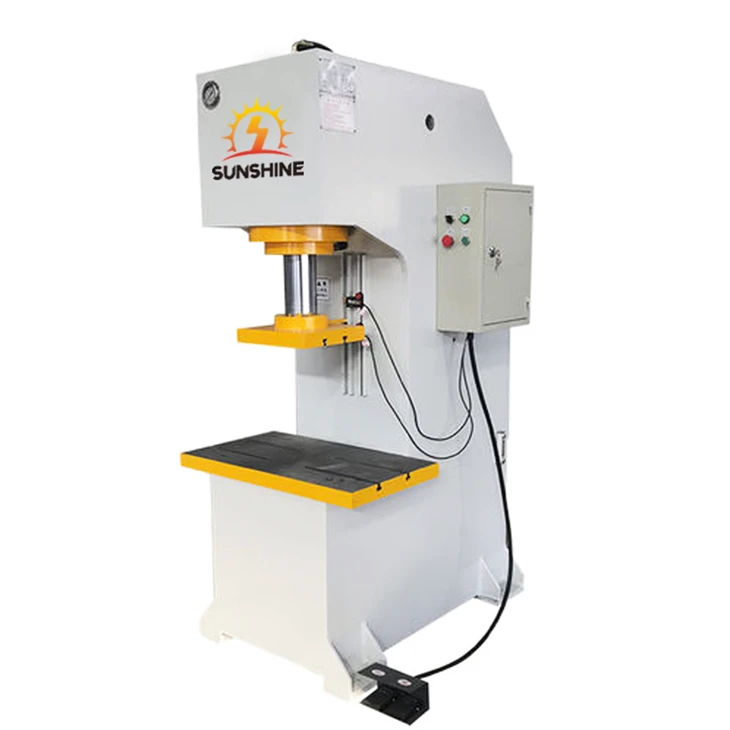
The Y41 Single Column Hydraulic Press with PLC and 40 Tons Single Arm Hydraulic Press are often used in the production process of grinding wheels, ensuring the proper shaping and pressing of the wheel materials. The 100T Hydraulic Press for Abrasive Products also plays an important role in the manufacturing of high - quality vitrified grinding wheels.

Contact for Procurement
If you are in need of high - quality vitrified grinding wheels for your machining operations, we are here to assist you. Our company offers a wide range of vitrified grinding wheels in various sizes, shapes, and abrasive grain types to meet your specific requirements. We are committed to providing our customers with the best products and services.
Whether you are a small - scale workshop or a large - scale manufacturing plant, we can offer you the right grinding solution. Contact us today to discuss your procurement needs and let us help you achieve the highest levels of precision and efficiency in your grinding processes.
References
- "Handbook of Abrasive Technology" by J. S. R. Prasad.
- "Grinding Technology: Theory and Applications of Machining with Abrasives" by Wayne R. Morse and Stephen C. Zu.
- "Modern Grinding Technology" by S. Kalpakjian and S. R. Schmid.