

After a single-column hydraulic press completes a pressing operation, the slide (ram) normally returns to its initial position according to a preset program. If the machine operates normally during the downward stroke but fails to return, or if the return stroke is slow, stops midway, or does not respond when the return button is pressed, the machine should be inspected promptly.
If the slide fails to return, this does not necessarily mean that the hydraulic cylinder is damaged. Problems with the hydraulic circuit, control valves, electrical signals, return pressure, or mechanical guide components can also prevent the slide from returning properly. For operators, identifying where the problem occurs and carrying out targeted inspections is more effective than replacing parts without first determining the cause.
►Common Causes of Slide Retraction Failure in a Single-Column Hydraulic Press
1. Solenoid-Operated Directional Control Valve Malfunction
The solenoid-operated directional control valve controls the direction of hydraulic fluid flow. After the hydraulic press completes its downward stroke, the control system sends a return signal, causing the directional valve to shift to the required position and allowing hydraulic fluid to flow through the return circuit.
If the solenoid coil burns out, electrical connections become loose, the valve spool gets stuck, or debris enters the valve, the directional control valve may fail to shift properly. As a result, the press may operate normally during the downward stroke but fail to return during the retraction stroke.
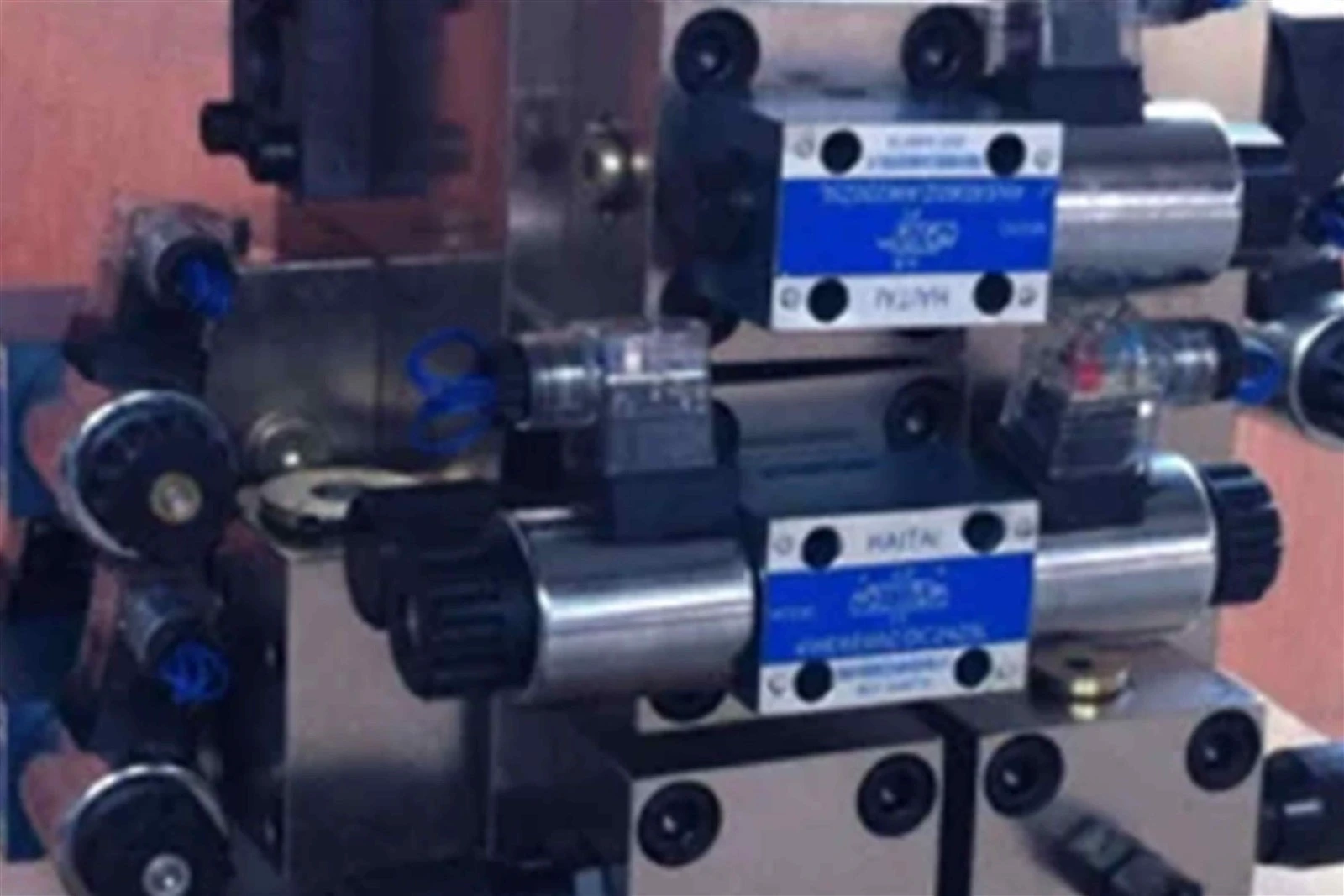
Inspection Recommendations:
Check the solenoid valve coil and wiring for any signs of damage or loose connections.
Observe whether the solenoid valve responds correctly when the control system sends a return-stroke command.
Check the valve spool for sticking or contamination.
If necessary, have a qualified technician inspect and clean the valve body.
2. Insufficient Hydraulic Oil or Oil Contamination
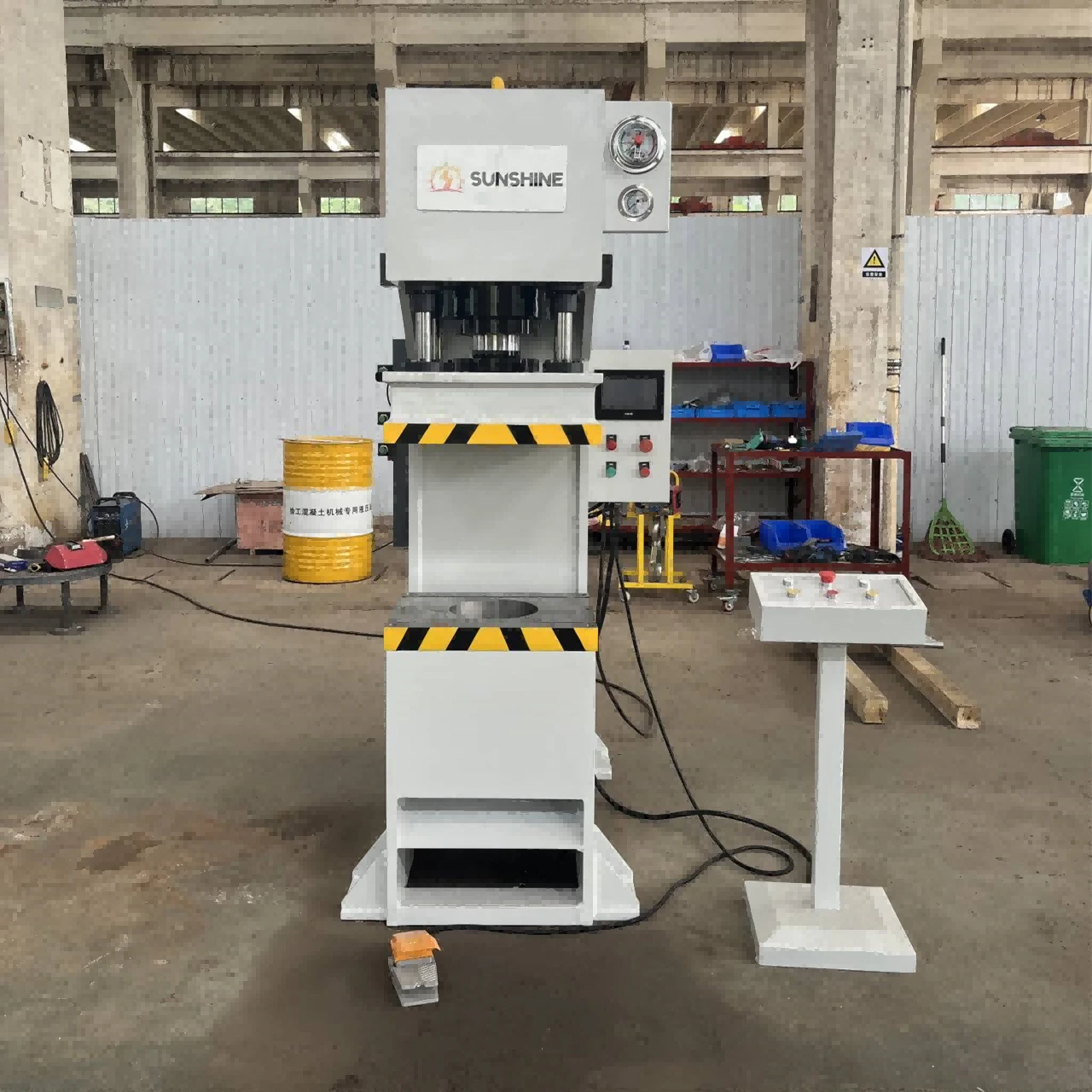
Hydraulic oil serves as the essential medium for power transmission in a hydraulic press. If the oil level in the reservoir is too low, the pump may draw in air, leading to unstable system pressure and flow, which in turn affects the return stroke of the slide.
Over extended periods of use, hydraulic oil may become contaminated with metal particles, dust, or other impurities. Such contaminants can clog filter elements, impede the movement of valve spools, and even cause internal wear within the hydraulic system.
Inspection recommendations:
Check that the fluid level in the reservoir is within the specified range.
Observe the hydraulic fluid for any noticeable discoloration, emulsification, or unusual air bubbles.
Check the suction strainer and return-line filter element for clogs.
Replace the hydraulic fluid and filter elements in a timely manner, in accordance with equipment maintenance requirements.
3. Blocked Hydraulic Return Circuit or Obstructed Hydraulic Lines
The return stroke of a hydraulic press depends on an unobstructed fluid flow path. If the return lines are blocked by foreign objects, kinked, or if certain valves fail to open fully, resistance to fluid flow will increase, potentially preventing the slide from returning properly.
Inspection Recommendations:
- Inspect the pipes, fittings, and relevant valves in the hydraulic return circuit for blockages, leaks, or visible deformation.
- If the machine is equipped with hydraulic locks or other pressure-holding components, check whether they open correctly in response to control commands.
4. Abnormal Hydraulic System Pressure
The return stroke of a single-column hydraulic press requires adequate hydraulic pressure and flow. If the system pressure is too low, it may not be sufficient to overcome the resistance of the slide, die, and other moving components.
Abnormal system pressure can result from incorrect relief valve settings, wear in the hydraulic pump, internal leakage, or faults in other pressure control components.
Inspection recommendations:
Use an appropriate pressure gauge to check the system pressure.
Verify whether the pressure during the return stroke is within the range specified in the equipment's technical parameters.
Inspect the relief valve and other relevant pressure-control components.
If the pressure remains abnormal, conduct a further inspection of the hydraulic pump and check for internal system leakage.
5. The Electrical Control System Fails to Send a Return-Stroke Signa
Some return-stroke failures are not caused by the hydraulic system itself. Instead, they occur because the electrical control system fails to execute the return command correctly.
For example, a misaligned limit switch, a damaged proximity switch, a faulty relay, incorrect return conditions in the PLC program, or problems with the control buttons and wiring can prevent the machine from starting its return stroke.
Inspection Recommendations:
Check whether the return button is working properly.
Check the position and operating condition of the limit switches and proximity switches.
Inspect the relays, terminal blocks, and related wiring inside the electrical control cabinet.
For PLC-controlled machines, check for alarm messages and verify whether all the conditions required for the return stroke have been met.
6. Problems with the Hydraulic Cylinder or Mechanical Guide Components
Damaged internal seals in a hydraulic cylinder can cause internal leakage, affecting the cylinder's normal operation. Scratches or deformation on the piston rod surface, as well as wear or insufficient lubrication of the slide guide components, can also increase resistance during movement.
These problems may be accompanied by unusual operating noises, oil leakage around certain areas, or irregular slide movement.
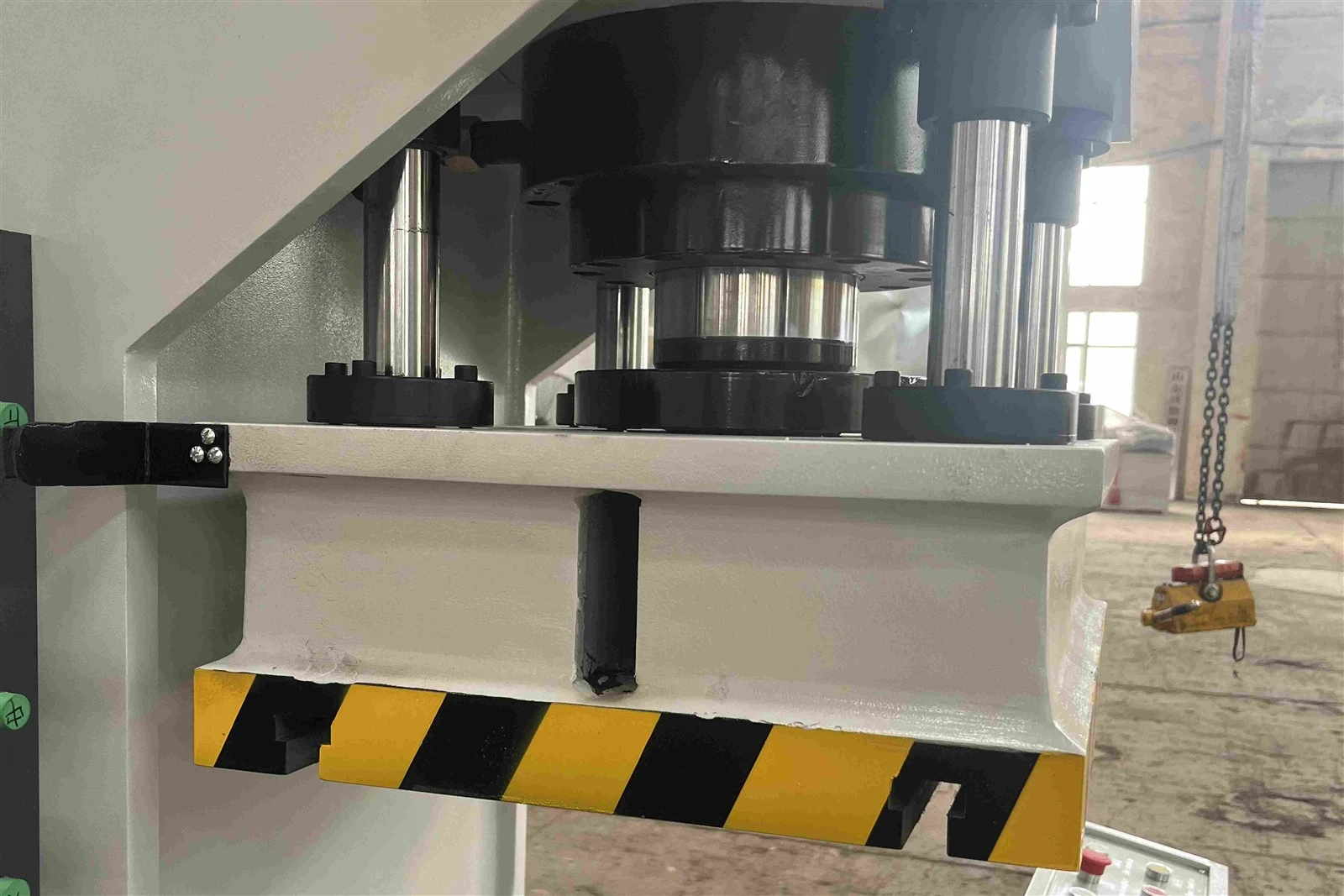
Inspection Recommendations:
Check the surface of the piston rod for visible scratches or damage.
Inspect the hydraulic cylinder and the connections to the oil lines for any oil leaks.
Examine the slide guide components for signs of abnormal friction.
If necessary, have a qualified professional inspect the cylinder's seals and internal components.
► What Should You Do If the Slide of a Single-Column Hydraulic Press Fails to Return?
In this situation, avoid repeatedly pressing the return button or restarting the machine in an attempt to resume operation. Doing so will not solve the problem and may place additional strain on the hydraulic pump, solenoid valves, and other hydraulic components.
Step 1: Stop the Machine and Ensure Safety
Stop all automatic operations, disconnect the power supply, and follow the established safety procedures for machine isolation and pressure relief. If the slide is in a raised position, secure it with mechanical supports that meet the machine's specifications. Never rely on hydraulic pressure alone to hold the slide in position.
Step 2: Record the Machine's Condition When the Fault Occurred
Note whether the machine failed to return after completing the downward stroke or stopped unexpectedly during the return stroke. Check the control panel for error codes and look for any unusual noises or signs of oil leakage.
Step 3: Start with External Components That Are Easy to Inspect
First, check the oil level in the tank, pipeline connections, filter elements, solenoid valve wiring, and limit switches. Never disconnect hydraulic lines or disassemble valves and other hydraulic components while the system is under pressure.
Step 4: Have Qualified Personnel Carry Out a System Inspection
If the cause cannot be identified through basic checks, qualified technicians should refer to the hydraulic and electrical schematics and carry out a more detailed inspection. This may include checking system pressure, solenoid valve operation, pump output, and the condition of the hydraulic cylinders.
Step 5: Test the Machine After Troubleshooting
Once the repairs are complete, carry out a no-load test to confirm that the slide returns smoothly. Also check the hydraulic system for leaks and unusual noises. Resume normal production gradually, but only after confirming that the machine is operating correctly.
► How Can You Prevent Return-Stroke Problems on a Single-Column Hydraulic Press?
1. Check the Hydraulic Oil Regularly
Keep the hydraulic oil clean and replace the oil and filter elements according to the equipment manufacturer's recommendations.
2. Inspect Solenoid Valves and Electrical Circuits
Periodically check the solenoid coils, electrical terminals, and control components to prevent poor electrical connections and valve spool contamination.
3. Monitor Hydraulic System Pressure
Check the pressure gauge readings regularly and investigate any unusual pressure fluctuations or deviations from the specified range.
4. Inspect Mechanical Moving Parts
Keep the slide guide surfaces clean and properly lubricated to reduce unnecessary friction during operation.
5. Operate the Machine According to Its Specifications
Avoid prolonged overloading and ensure that mold installation and pressing operations comply with the machine's design specifications.
6. Keep Detailed Maintenance Records
Record hydraulic oil changes, machine alarms, maintenance work, and replaced components. These records can help identify recurring problems and potential equipment faults over time.
Sunshine Machinery - Hydraulic Press Manufacturer

For manufacturers with ongoing production requirements, choosing a hydraulic press involves more than checking technical specifications such as pressing force, worktable dimensions, and stroke length. Ease of maintenance, hydraulic system design, and access to timely technical support when problems arise are also important considerations.
As a hydraulic press manufacturer, Shandong Sunshine Machinery Co., Ltd. customizes equipment configurations according to each customer's production requirements and working conditions. From machine design and component selection to final assembly and pre-shipment testing, each stage is handled with the intended application in mind.
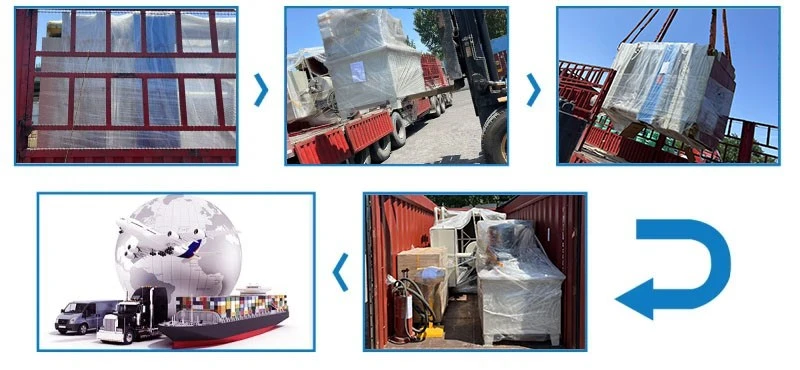
For overseas customers, we also provide installation guidance, operator training, remote technical support, and spare parts. If an operating problem occurs, such as the slide failing to return, abnormal system pressure, or another equipment malfunction, customers can send us the machine model, a description of the problem, any alarm codes displayed on the control panel, and photos or videos of the machine. Our technical team can then use this information to assess the situation and help identify the cause of the problem.
Whether you are troubleshooting an existing hydraulic press or looking for new equipment to meet your production requirements, our team is ready to provide technical guidance.
As a hydraulic press manufacturer, we offer customized machine configurations based on your product dimensions, pressing processes, mold structure, and production requirements. Our support covers the entire process, from equipment manufacturing and factory testing to installation guidance and ongoing technical assistance.
Contact us with your product photos, process requirements, or technical specifications. Our team will review your application and recommend a suitable hydraulic press configuration, along with a quotation based on your needs.