

To complete CNC turning of a workpiece, the following core requirements must be met:

CNC lathe
As core equipment, they must possess high precision, high rigidity, and automated control capabilities, enabling them to complete turning operations according to pre-set programs.
They must be equipped with key components such as the spindle, guideways, and feed system, ensuring their accuracy meets processing requirements.
Tool System
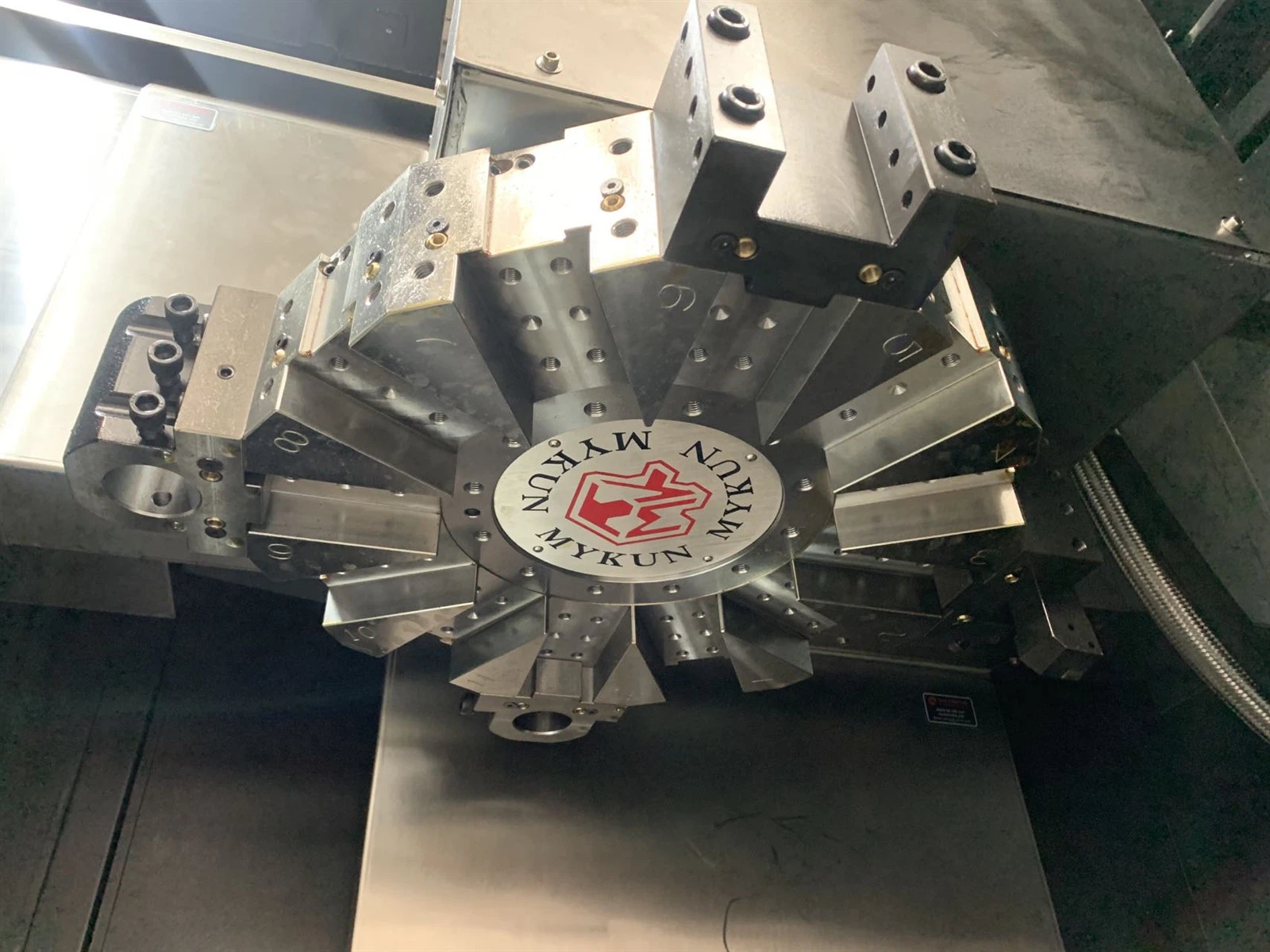
Tool Selection: The tool type for CNC vertical lathes should be selected based on the processing requirements (rough turning/finishing turning):
Rough turning: For CNC vertical lathes, use strong and durable tools (such as carbide tools) to withstand high cutting forces.
Finish turning: For CNC vertical lathes, use high-precision and wear-resistant tools (such as diamond tools) to ensure surface quality.
Tool Clamping: Ensure that the CNC lathe tool is securely mounted, with the tool tip aligned with the workpiece centerline (unless required for special processing), and that the tool angle is properly adjusted.
Fixture System
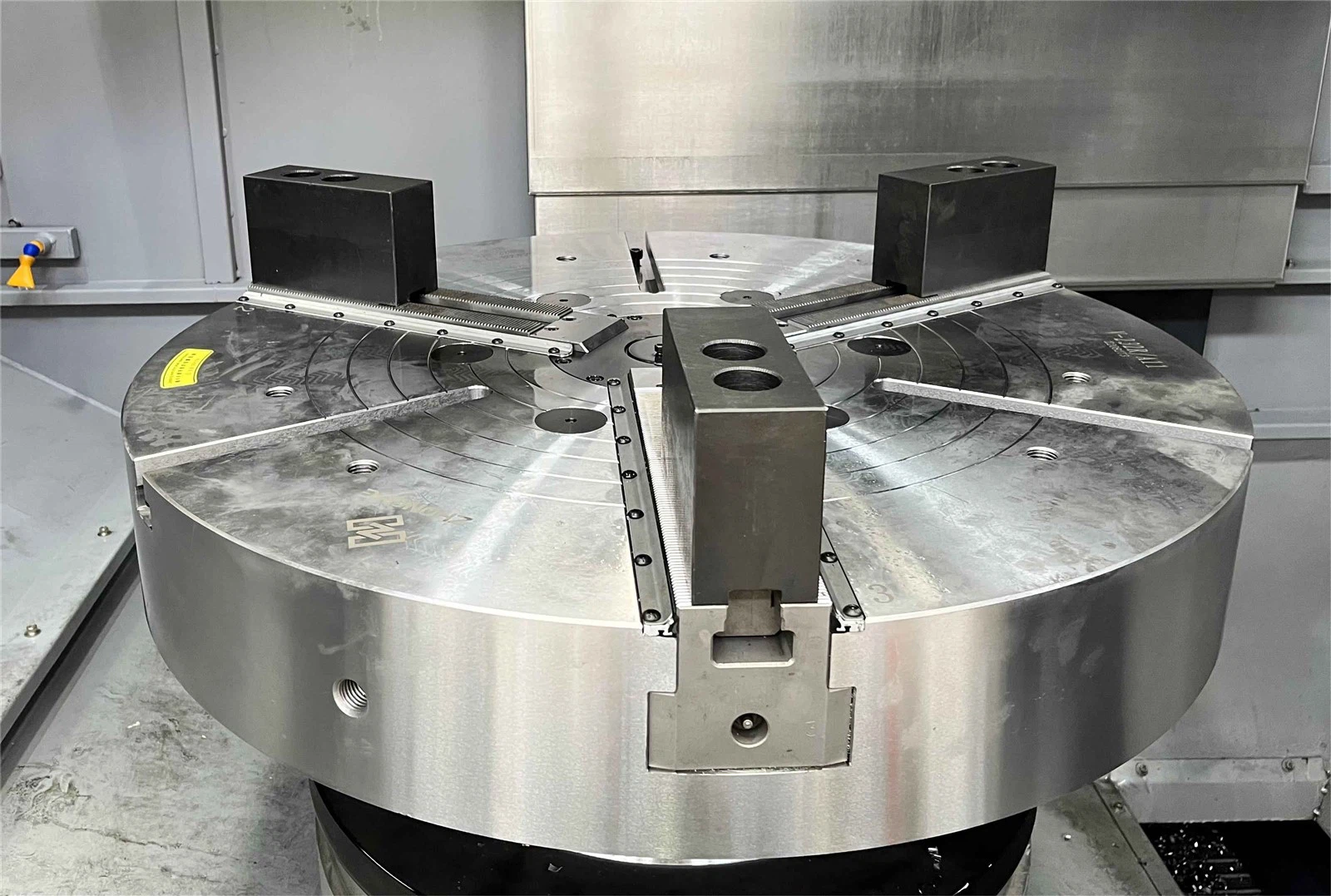
Universal Fixtures: For CNC vertical lathes, universal fixtures such as three-jaw and four-jaw chucks are preferred to reduce the cost of specialized fixtures.
Positioning Datum: Ensure that the workpiece positioning datum of the CNC vertical lathe aligns with the designed datum, reducing positioning errors and improving machining accuracy.
Clamping Stability: Counterweights are required for irregular workpieces, and slender shafts require auxiliary support using a steady rest or steady rest.
Cooling and Lubrication System
CNC lathes use cutting fluid to lower cutting temperatures, reduce tool wear, and flush out chips to prevent scratches on the workpiece surface.
The type of cutting fluid should be selected based on the material (e.g., water-soluble cutting fluid is suitable for aluminum alloys, while oil-based cutting fluid is suitable for stainless steel).
