

Powder compaction is an important step in producing powder metallurgy components, cemented carbides, magnetic materials, and certain advanced ceramics. The process involves loading a measured amount of powder into a mold and applying pressure to bring the particles closer together, forming a green compact with a defined shape and enough strength for handling. Depending on the material, the compact is then sintered or undergoes other post-processing.
In production, the quality of a compact depends on more than the pressing force. Powder properties, mold design, filling quantity, compaction direction, and the method of ejection all affect the final result. When selecting a hydraulic press for powder compaction, manufacturers should consider the product dimensions, target density, space required for mold installation, and production cycle time. Choosing a press based on tonnage alone may not meet the actual production requirements.
As a hydraulic press manufacturer, we help customers select suitable equipment based on their product drawings, material specifications, and production needs. We assess the required pressing force, working stroke, tooling configuration, and control system to recommend a machine that fits the intended process.
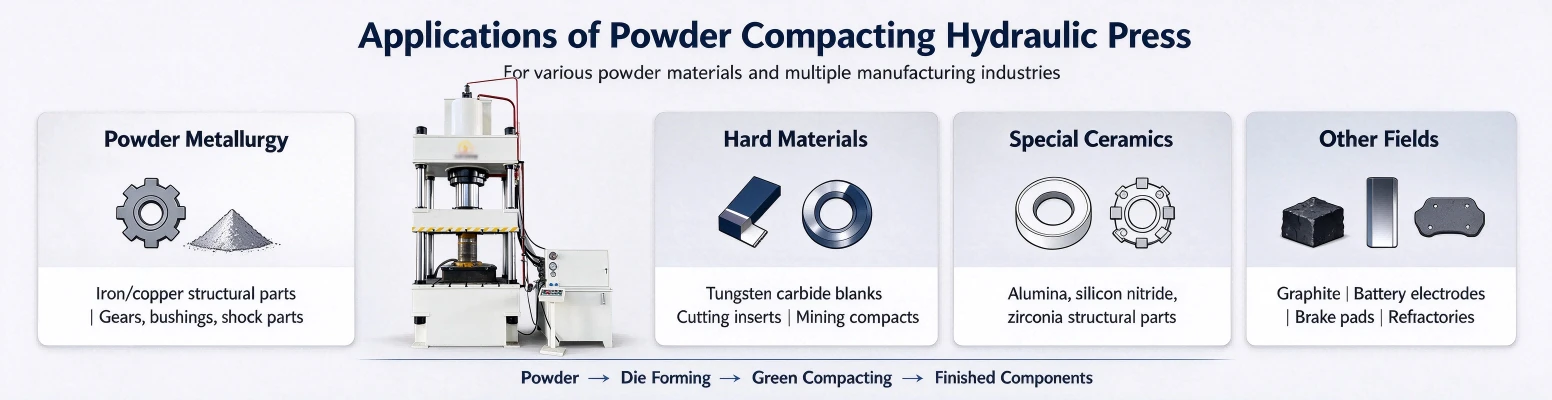
For facilities engaged in long-term, high-volume production, the primary challenge extends beyond merely shaping the powder into a specific form; it lies in ensuring the process can be repeated with high stability, while minimizing defects such as cracks, chipped corners, deformation, and dimensional deviations.
How a Powder Compaction Hydraulic Press Works
A powder compaction hydraulic press uses a hydraulic system to generate the force needed to compress loose powder into a green compact (a pressed part before sintering). The process involves hydraulic cylinders, a moving crosshead, and specially designed tooling that shapes the powder into the required form.
The powder compaction process typically consists of four stages:
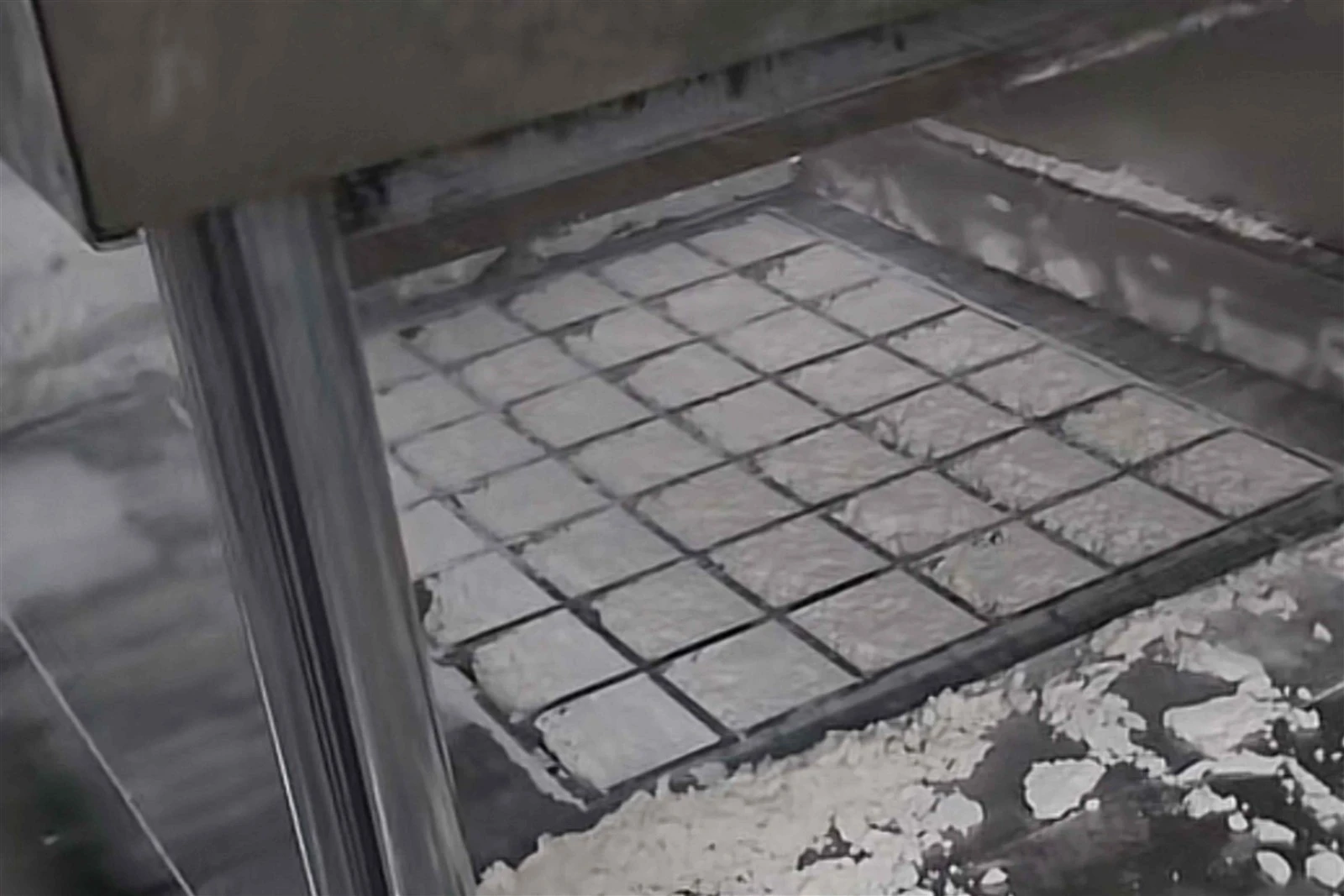
Die Cavity Filling
A measured amount of powder is loaded into the die cavity based on the target part weight, dimensions, and the powder's apparent (loose) density. Consistent filling helps control the height, weight, and density distribution of the green compact. Uneven powder flow or voids in the die cavity can cause density variations within the part, even when the same pressing force is applied.
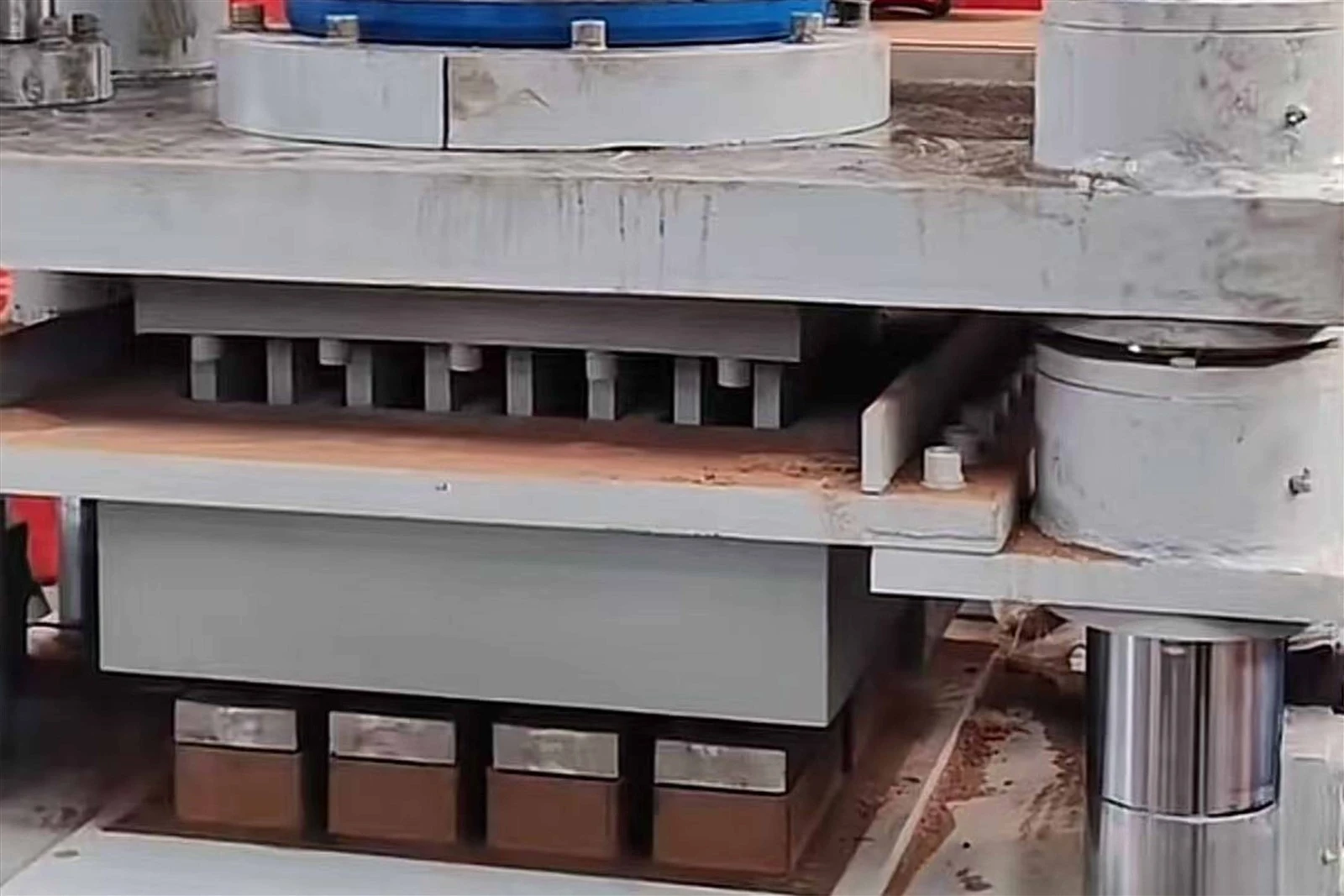
Pressure holding
The upper and lower punches, together with the other die components, compress the powder in a programmed sequence. As pressure is applied, the particles rearrange, come into closer contact, and may deform or mechanically interlock, depending on the material. Since different powders behave differently under pressure, the pressing force and motion profile must be matched to the material properties and tooling design.
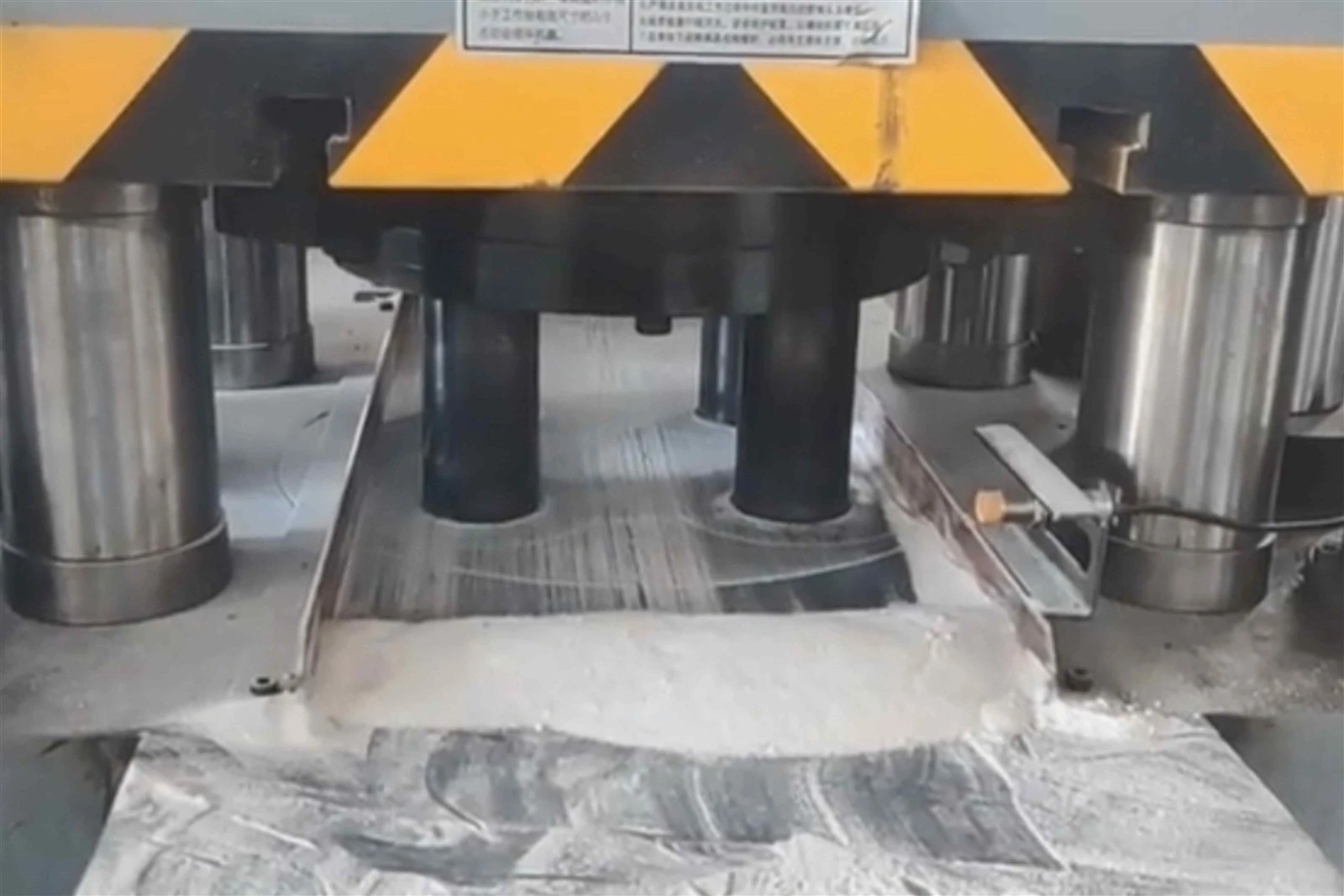
Pressure Dwell and Decompression
Some products require the pressing pressure to be held for a specified period to meet process requirements. The pressure is then released in a controlled manner to reduce the risk of damage to the green compact and tooling caused by sudden unloading. A longer dwell time is not always better; the appropriate duration should be established through process trials.
Ejection and Part Removal
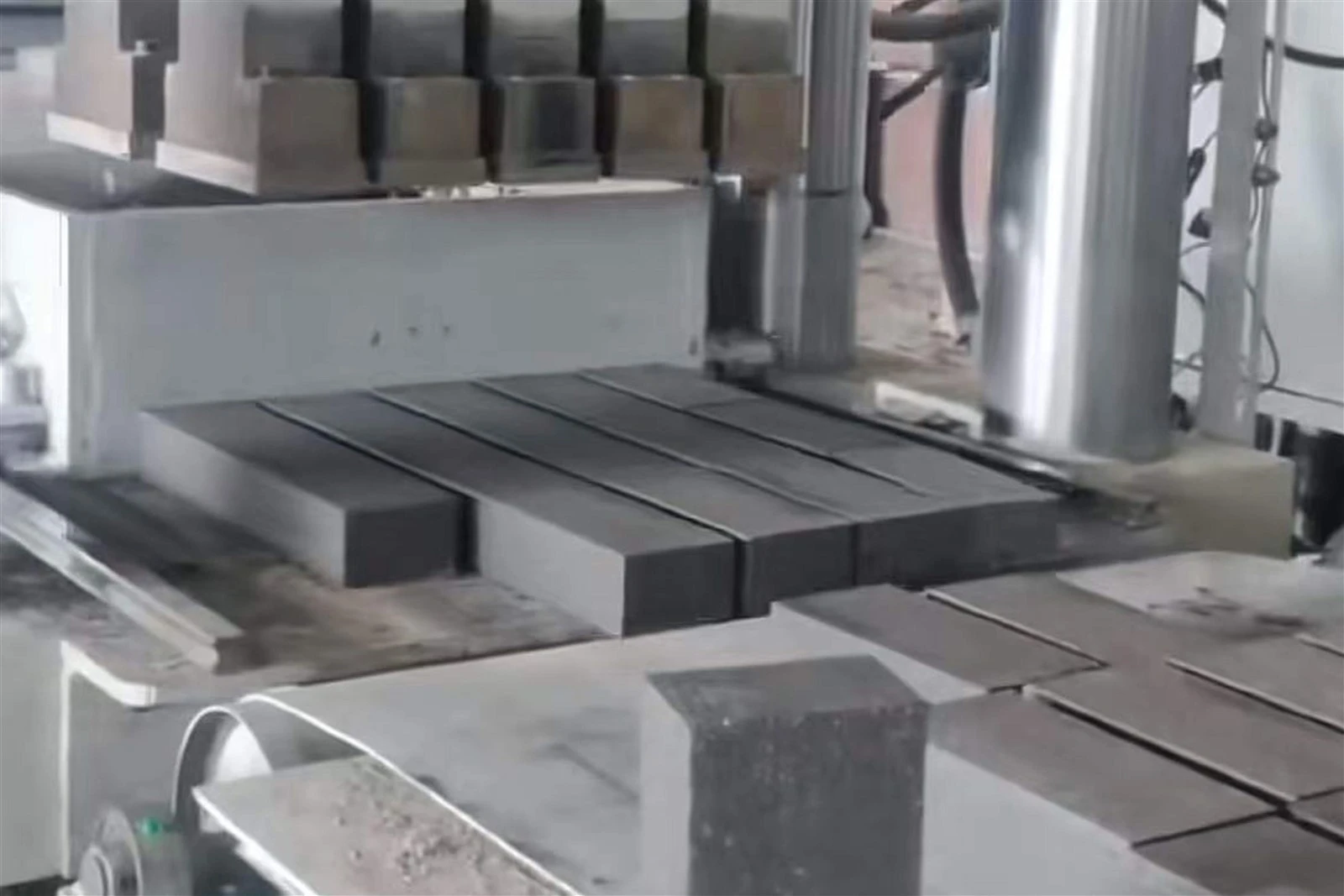
After compaction, the green compact is released from the die. Depending on the tooling design, this may be done by the lower punch, relative movement between the die components, or another ejection mechanism. Although the compact has a defined shape and some strength, it is still relatively fragile. Excessive ejection resistance, uneven tooling wear, or an uneven internal density distribution can cause cracks, chipped corners, and other localized damage.
Which Powder Materials Are Suitable for Hydraulic Press Forming?
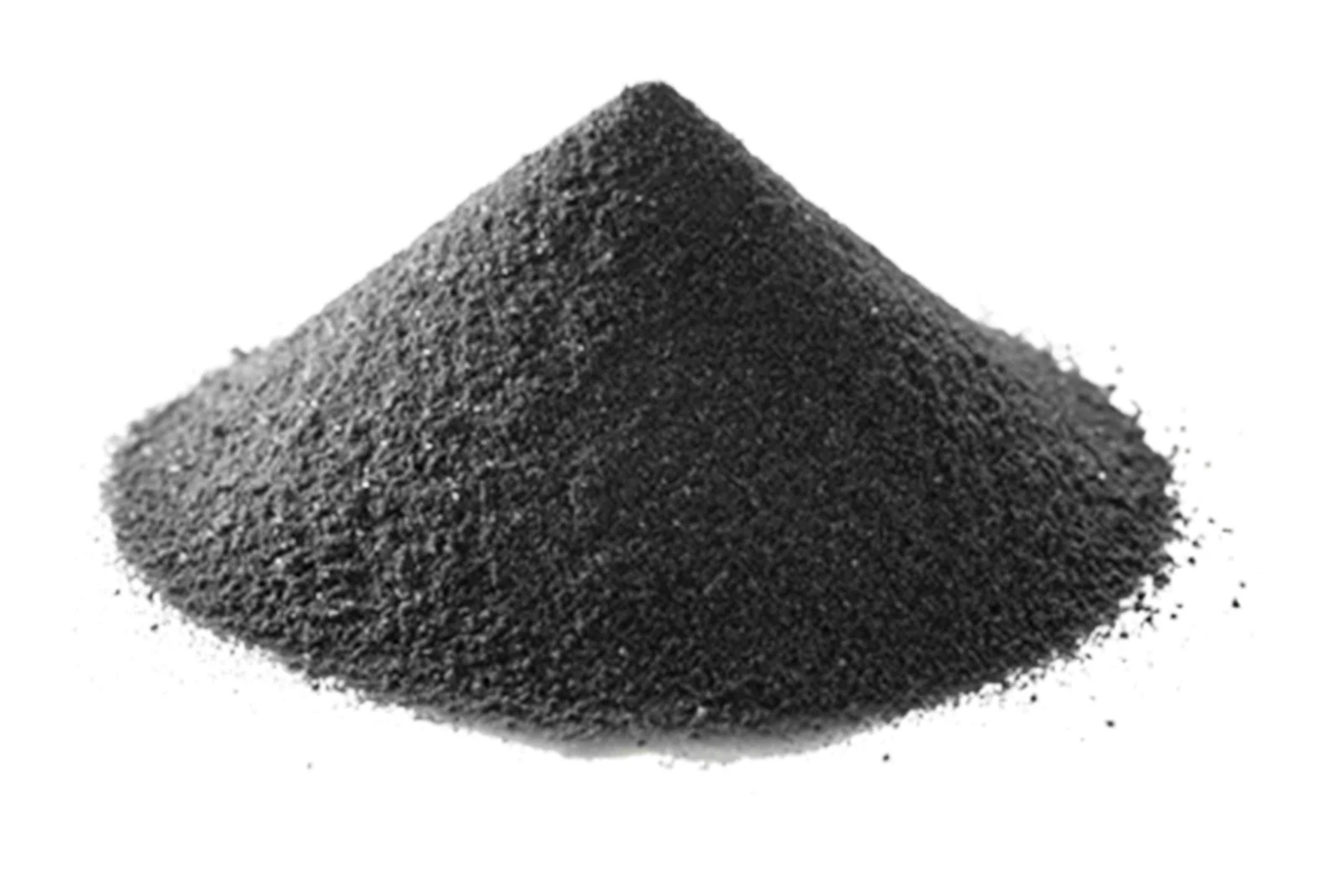
Metal Powders
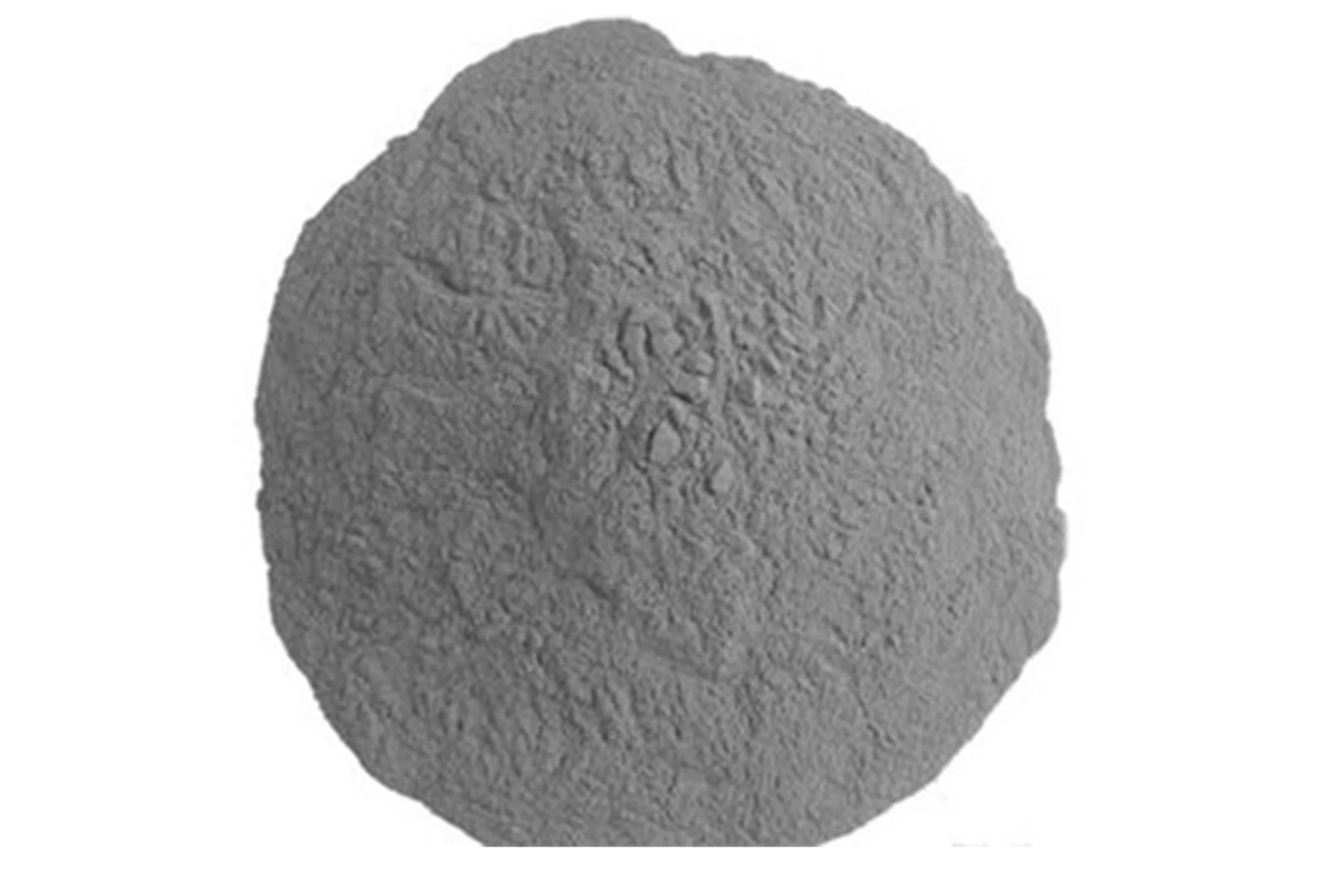
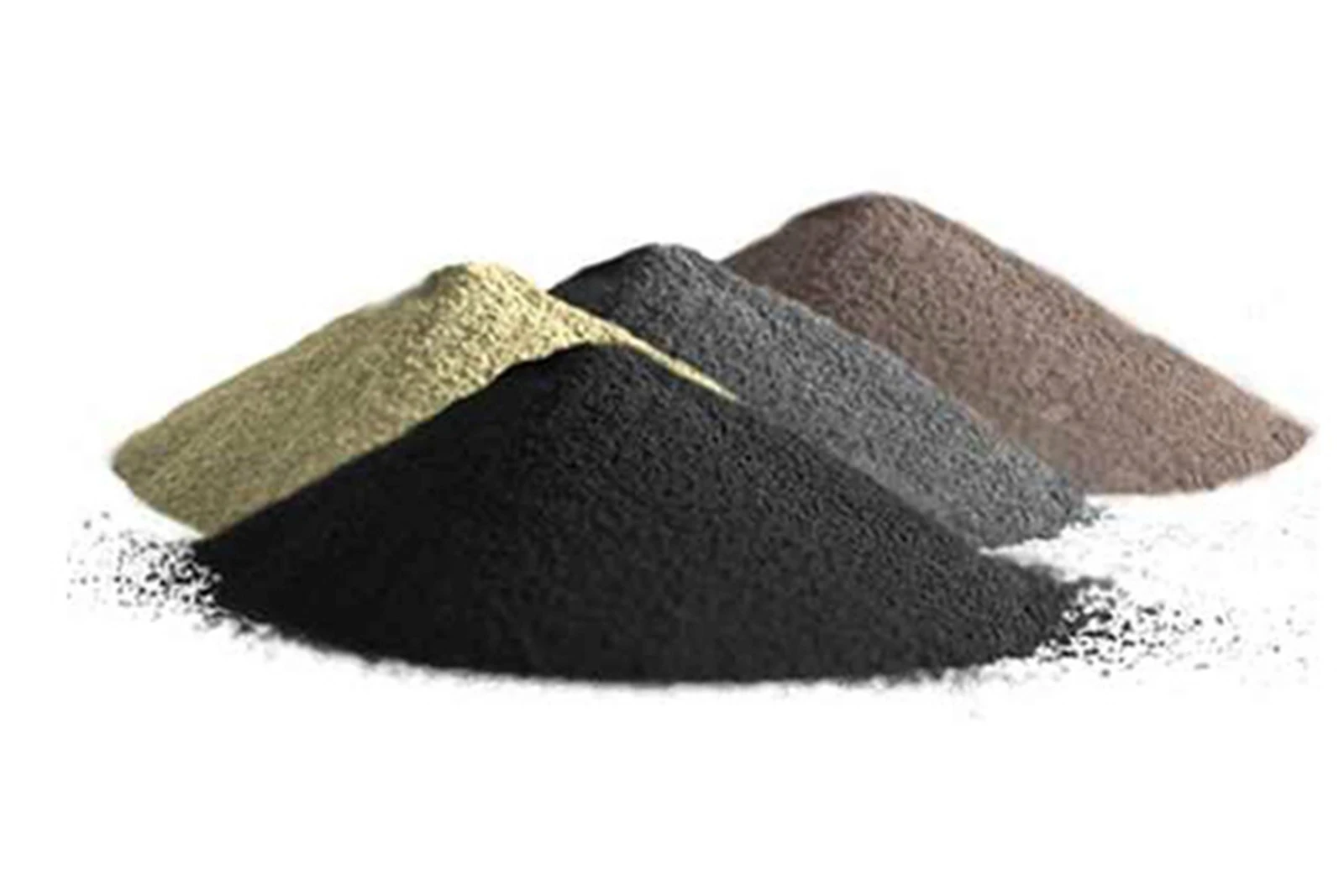
Iron, copper, and various alloy powders are commonly used in powder metallurgy to produce gear blanks, bushing blanks, and other metal components.
Cemented Carbide Powders
Cemented carbide, typically based on tungsten carbide combined with a metallic binder, is used to produce blanks for carbide cutting tools, wear-resistant components, and other industrial parts.
Ceramic Powders
Technical ceramic powders, including aluminum oxide (alumina) and zirconium oxide (zirconia), can be pressed into products such as dental zirconia blocks, refractory components, ceramic bearings, and ceramic sealing rings.
Magnetic Material Powders
Certain ferrite powders, soft magnetic composite powders, and other magnetic materials can be formed using hydraulic presses. Typical products include magnetic blocks, magnetic rings, and magnetic cores.
How to Select a Hydraulic Press for Powder Compaction?
Calculate the Required Compaction Force Based on Product Specifications
For ring-shaped parts with a central hole, the required pressing force should be calculated based on the actual area under compression. The calculation should also account for stepped geometries and load distribution across the tooling. Equipment selection must also consider the working stroke, tooling load capacity, and an appropriate safety margin.
Verify Daylight, Table Dimensions, and Stroke
Even if a hydraulic press has sufficient rated tonnage, production cannot proceed if the daylight (opening height) is inadequate, the table cannot accommodate the tooling, or the slide stroke is insufficient for powder filling and part ejection. For production lines that require frequent tooling changes, sufficient operational space must also be reserved for maintenance, adjustments, and the installation or removal of molds.
Determine the Control System Based on the Compaction Process
For simple products, the primary focus may be on maintaining a stable compaction force and consistent, repeatable work cycles. For complex parts, however, it may be necessary to precisely control parameters such as slide position, motion speed, specific compaction stages, dwell time (holding pressure), and the decompression process.
Configure the Equipment Based on Production Throughput and Automation Needs
For small-batch production with frequent product changes, ease of tooling changeover, flexibility in process adjustments, and overall operating flexibility are important considerations.
For high-volume production, key factors include cycle time, automated powder metering and feeding, automatic removal of compacted parts, machine guarding, and dust control.
What Information Should You Prepare Before Purchasing a Hydraulic Powder Compaction Press?
Preparing product drawings and process requirements before contacting equipment manufacturers helps them recommend a machine that matches your actual production needs.
Product drawings: Include key dimensions, tolerances, and any critical features.
Powder material: Specify the material type and relevant properties.
Product requirements: Provide the target weight, green density, and acceptable tolerances.
Production requirements: Indicate the expected output, number of shifts, and required cycle time.
Mold configuration: Provide the existing mold design or describe the planned tooling arrangement.
Pressing process: Specify the pressing direction, punch movement, and part-ejection requirements.
Automation and auxiliary equipment: Identify any requirements for automatic powder feeding, part removal, inspection, and dust control.
Installation conditions: Confirm the available power supply, installation space, and applicable safety requirements.
If the mold design has not yet been finalized, you can start by providing the product drawings, powder specifications, and expected production volume. The equipment and mold engineering teams can then assess these details together and recommend a suitable press configuration and tooling solution.
Selecting the right hydraulic press for powder compaction involves more than choosing the required pressing force. Product dimensions, material properties, mold design, and production cycle requirements all need to be considered.
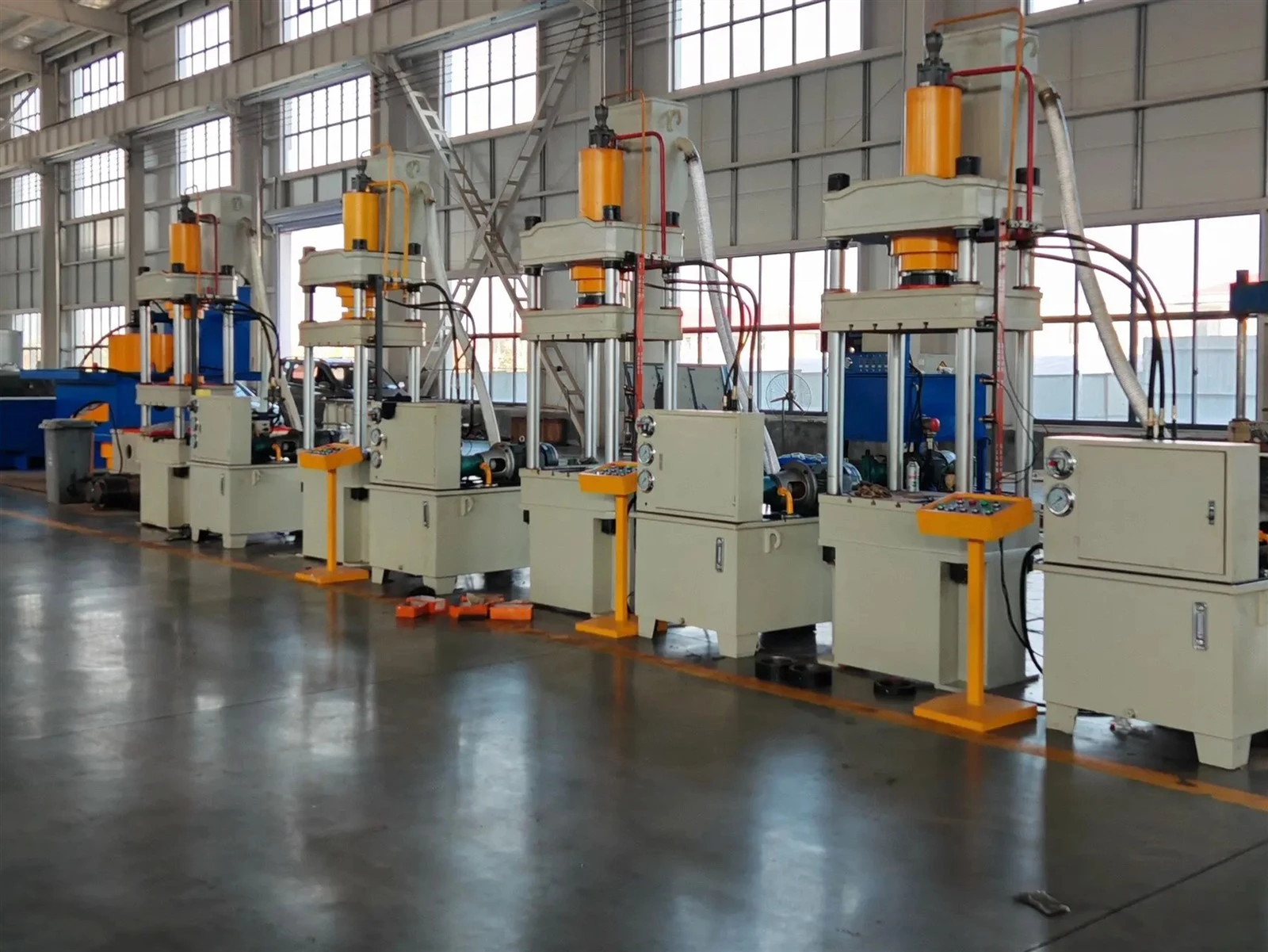
As a hydraulic press manufacturer, we work with customers to determine the appropriate machine specifications for each project. These may include press tonnage, working stroke, available mold installation space, part-ejection method, and control system configuration. The final solution is based on the product requirements, mold design, and technical specifications confirmed by both parties.
If you are looking for a hydraulic press for forming metal powders, cemented carbide powders, or other materials suitable for powder compaction, please provide the following information:
◆ Product drawings or sample dimensions
◆ Powder material type
◆ Target product weight and dimensional requirements
◆ Expected production volume
◆ Details of existing molds or a preliminary mold design
We offer hydraulic presses in a wide range of specifications, with custom configurations available to meet different production needs. Based on your product drawings, material specifications, and production requirements, we can recommend a suitable press model and determine the auxiliary equipment needed for your application.
Tell us about your powder compaction project, and we'll help you choose an equipment configuration that fits your production needs.