

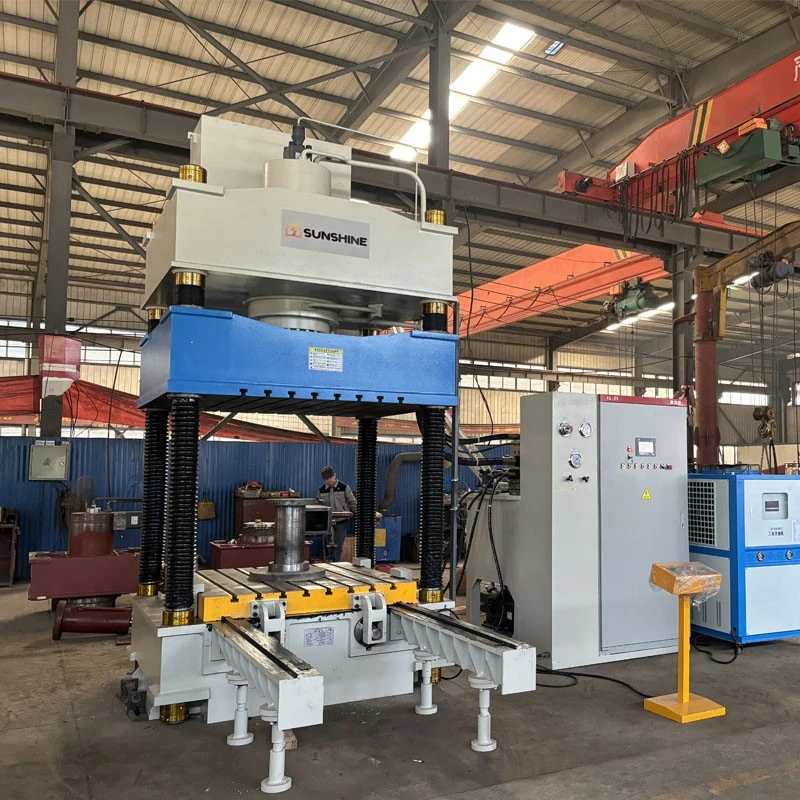
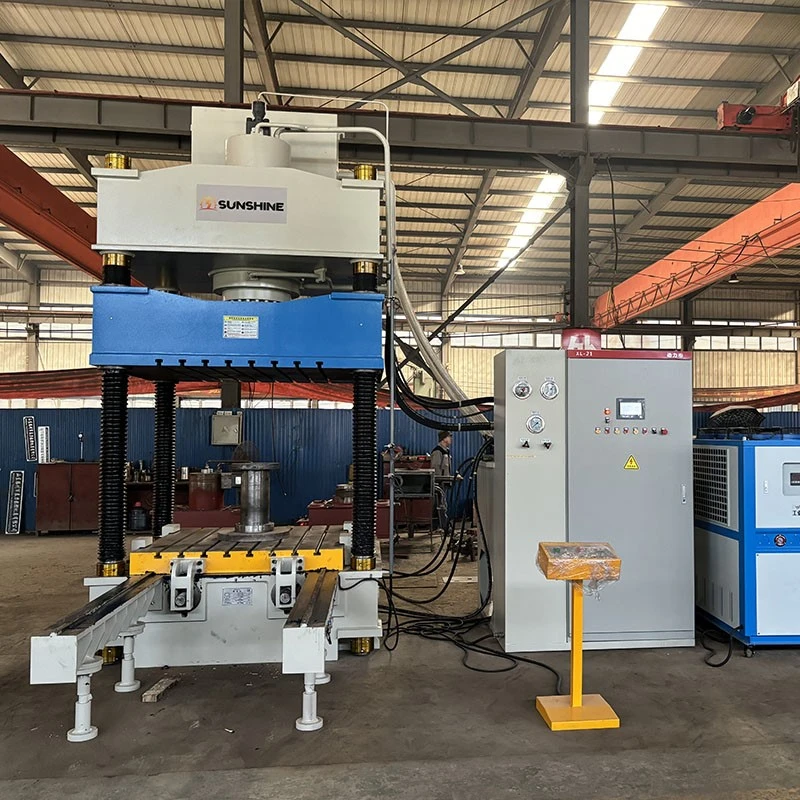
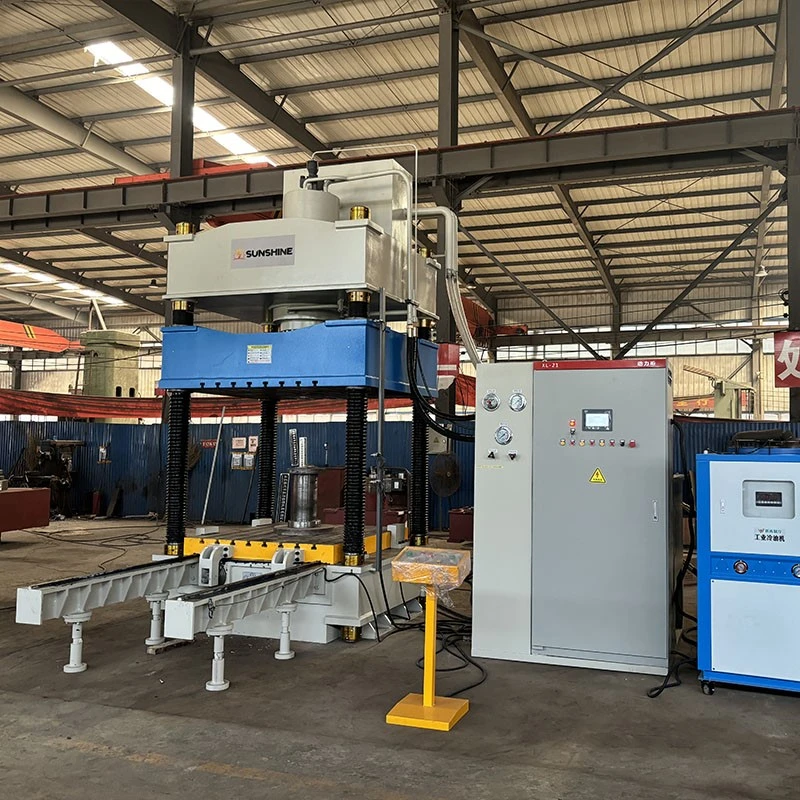
In the pressing process of a hydraulic press, reaching a set pressure does not signify the completion of the entire forming operation. For certain applications-such as powder compaction, the production of salt bricks, and other molding processes-it is necessary to maintain the target pressure for a specific duration, depending on the material's characteristics and the product's requirements. This phase is commonly referred to as the "dwell" or "pressure-holding" period.
While the dwell time may appear to be a simple equipment parameter, it influences the production cycle and can also affect the dimensional stability, internal structure, and demolding performance of the final product. It should be noted that not all hydraulic forming processes require an extended dwell time; its specific function depends on material properties, mold design, and the underlying forming principles.
Why Do Hydraulic Presses Require a Pressure-Holding Phase?
When the slide of a hydraulic press applies force to a material, the material may undergo compression, flow, or plastic deformation. Different materials respond to pressure in different ways.
During powder compaction, for example, particles rearrange and pack more closely together as pressure is applied. In certain metal-forming processes, the need for a pressure-holding phase depends on how the material deforms and on the requirements of the process.
What Happens If the Pressure-Holding Time Is Too Short?
During powder compaction, a short holding time does not automatically mean that the finished product will have insufficient density. The result depends on the properties of the powder, the press's operating method, and the mold design.
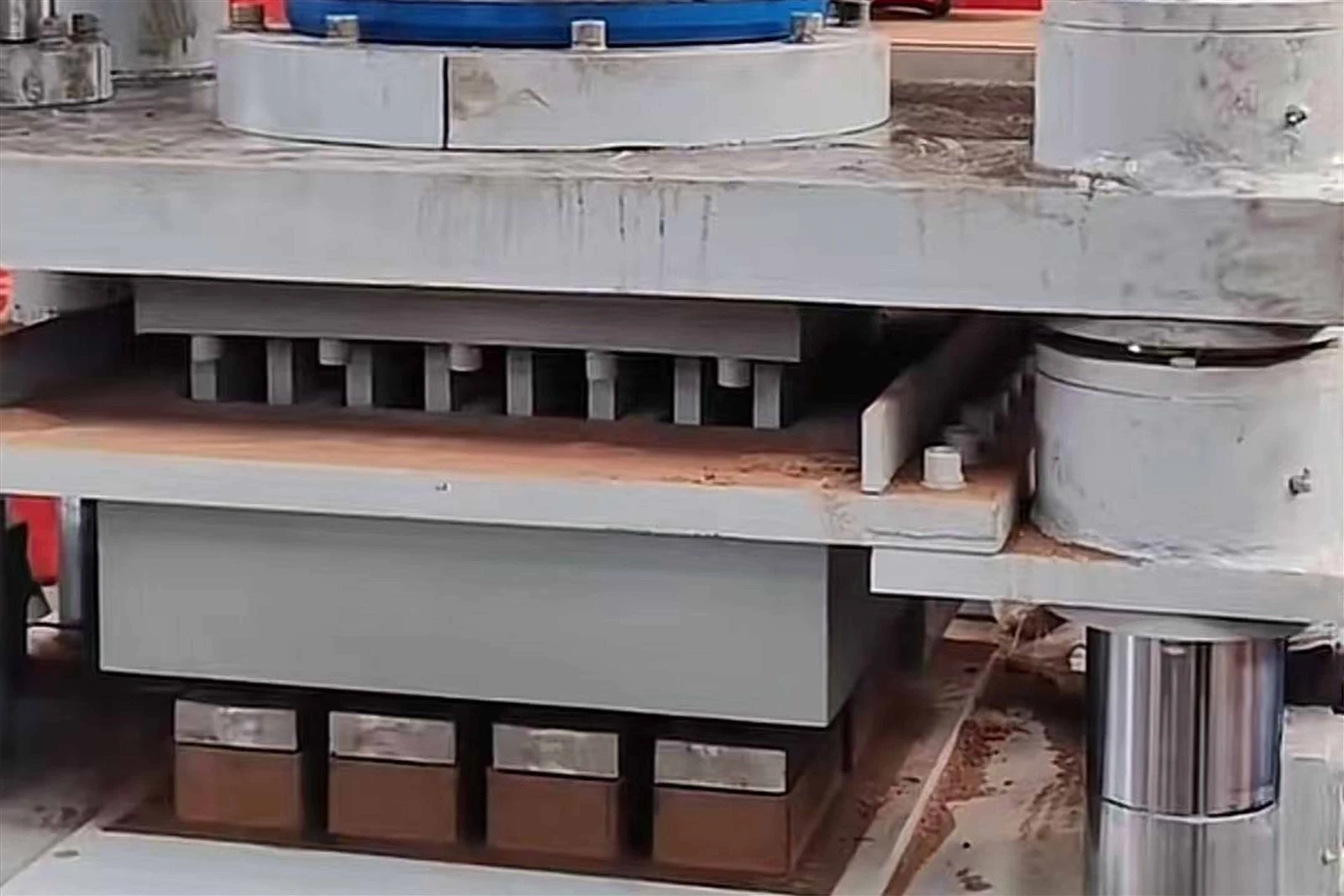
Some powders need time for the particles to pack more closely together and for trapped air to escape. If the holding time is too short, the finished parts may have uneven density or hardness, resulting in inconsistent quality within the same batch.
Salt licks for livestock, such as cattle and sheep, provide a practical example. The raw material composition, particle size, and required degree of compaction all affect the finished block. If a salt lick crumbles or develops cracks during demolding, insufficient holding time is not necessarily the cause. Other factors should also be checked, including the amount of material loaded into the mold, whether the pressing pressure is sufficient, whether the mold components are properly aligned and fitted, and whether the demolding speed is appropriate.
Does a Longer Dwell Time Improve Production Efficiency?
Dwell time is only one part of the overall pressing cycle. Once a product has reached the required pressure and meets the specified quality standards, extending the dwell time further increases the cycle time without necessarily improving the finished product. As a result, fewer units can be produced per hour.
A typical pressing cycle includes rapid slide descent, material compression, pressure holding, pressure release, slide retraction, and product removal. Even a few extra seconds of dwell time per cycle can add up over a full production day and reduce overall output.
However, if a product requires a certain period under pressure to achieve the necessary structural integrity, the dwell time should not be shortened simply to increase production speed.
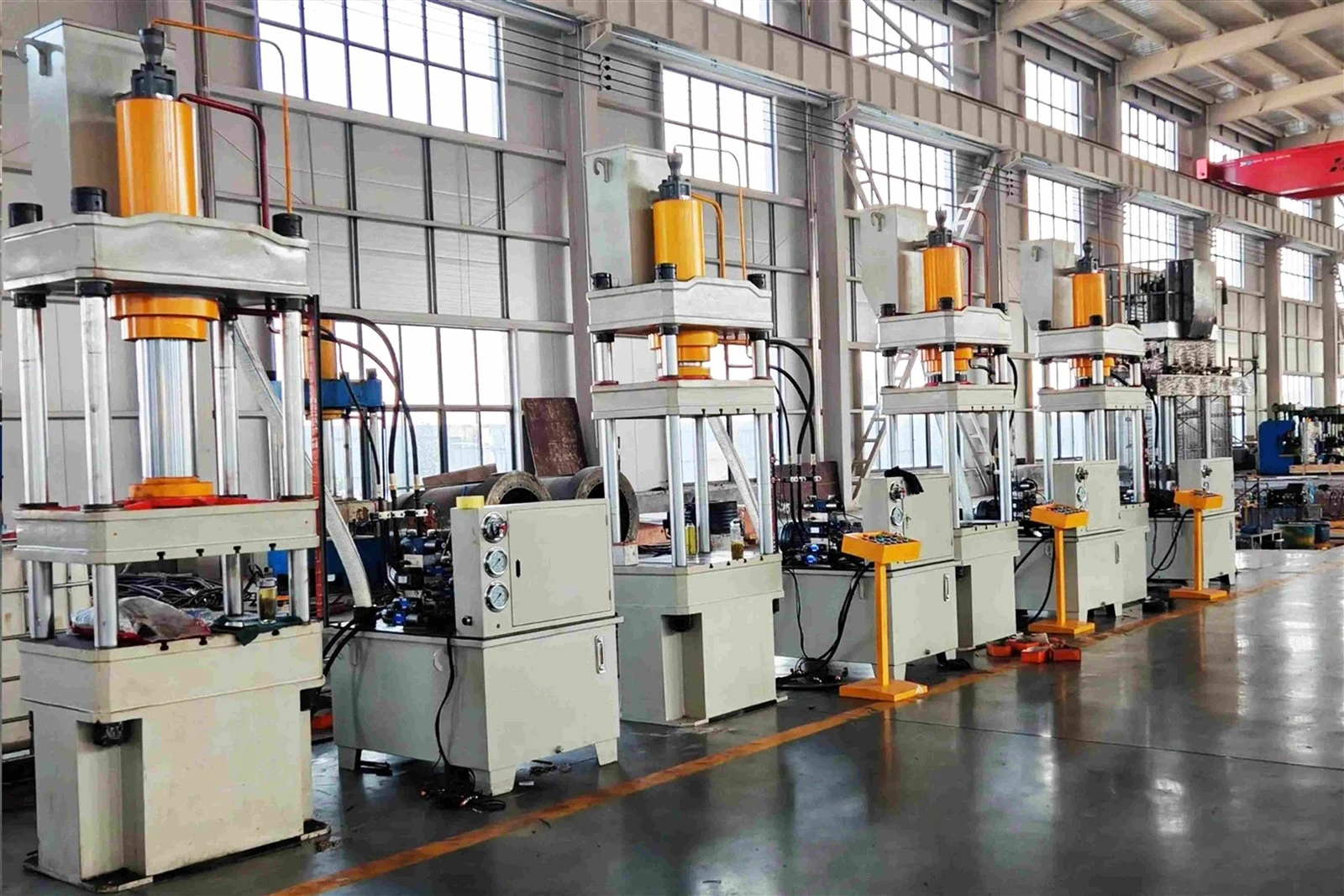
For example, when pressing salt lick blocks from fine salt powder, a 3-second dwell time may be sufficient to meet the required quality standards. If extending the dwell time to 8 seconds does not improve the block's hardness or other quality characteristics, the additional 5 seconds per cycle will increase production time without providing a corresponding benefit.
How to Determine the Appropriate Holding Time?
Define product quality requirements
Identify the key metrics the product must meet, such as dimensional tolerances, density, strength, surface quality, or post-molding stability. Since quality requirements vary by product, the focus of your evaluation regarding holding time will also differ.
Verify current pressing conditions
Confirm that the actual pressure, the pressurization process, the holding time settings, and the pressure-release sequence align with the intended manufacturing process. If the equipment fails to consistently reach the target pressure, address these underlying issues first rather than simply extending the holding time.
Conduct small-batch trial runs
While keeping other primary parameters constant, incrementally adjust the holding time and record quality data for each batch. Compare metrics-such as dimensions, density, strength, or other relevant indicators-to observe whether changes in holding time produce consistent, repeatable effects.
Balance quality with production cycle time
Once the product meets quality requirements, evaluate the total cycle time. The final parameters should satisfy both quality standards and production efficiency goals, rather than focusing solely on achieving a longer or shorter holding time.
Different products require different pressure-holding conditions. The appropriate settings depend on the properties of the raw materials and the forming process, whether the application involves powder compaction, salt lick block production, or metal forming.
Shandong Sunshine Machinery Co., Ltd. manufactures hydraulic presses and provides equipment solutions tailored to each customer's application. We assess factors such as product dimensions, raw materials, mold design, and production requirements to determine a suitable machine configuration for the intended process.