

What is CNC Vertical Lathe
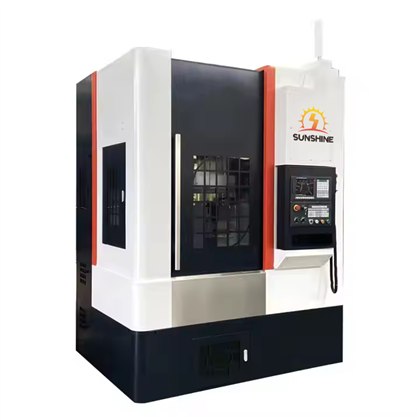
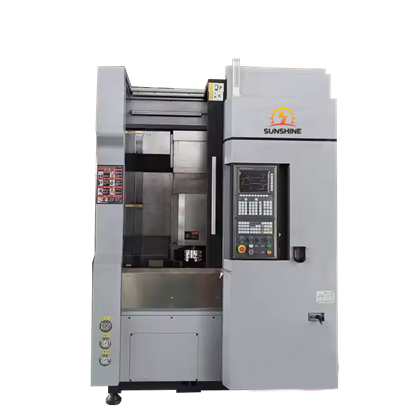
A CNC vertical lathe, also known as a computer numerical control vertical lathe, is a machine tool controlled by digital instructions to perform cutting operations using a tool. It offers high precision, efficiency, and automation. This machine can process various types of parts, including axle parts, disk parts, and housings, as well as inner and outer cylindrical surfaces, conical surfaces, threads, and grooves. Compared to traditional manual vertical lathes, CNC vertical lathes offer significant advantages in processing, making them a crucial component in modern machine tool manufacturing.
-

VTC50 CNC Vertical Lathe For Motor Housing
This is a multi-purpose CNC automatic machining vertical lathe, which is used to process the inner and outer cylindrical surfaces, conical surfaces, end surfaces, grooving and chamfering of Add to Inquiry -
CNC Vertical Turning-Milling Machine Tool
A CNC vertical turning-milling machine tool is a multi-functional machining equipment that integrates turning and milling functions. Through integrated design, it achieves high-precision machining of Add to Inquiry -
Special CNC Vertical Lathe For Brake Disc
The CNC vertical lathe is an automatic CNC machining machine tool, used to process the inner and outer cylindrical surface, tapered surface, end surface, thread, groove and chamfer of the parts. The Add to Inquiry -
Automated CNC Machining Machine Tools
The VTC series CNC single-column vertical lathe is an automated CNC processing machine tool used to process internal and external cylindrical surfaces, conical surfaces, end surfaces, grooving and Add to Inquiry -
CNC Vertical Lathe Special Machine Tool
VTC50 CNC lathe is a highly efficient and versatile machine that boasts of impressive features. This lathe can be used for various applications, including turning, drilling, and milling, among Add to Inquiry -
600mm Rotation Diameter CNC Vertical Lathe
Introduction to CNC Lathe with a Turning Diameter of 600mmCNC lathes are a type of machine tool that can automatically change tools and perform various machining operations. They are widely used in Add to Inquiry -
500mm rotating diameter high-precision CNC vertical lathe
CNC Vertical Lathe with a Turning Diameter of 500mm – Precision and Efficiency at Your FingertipsOur CNC Vertical Lathe with a turning diameter of 500mm is the perfect choice for precision machining Add to Inquiry -
VTC100A CNC Vertical Disc Special Lathe
The VTC100A numerically-controlled vertical lathe is a state-of-the-art machine with a number of remarkable features. It is specifically designed to be efficient, user-friendly, and highly versatile, Add to Inquiry -
VTC80A CNC Vertical Lathe
The VTC80A CNC lathe is a highly advanced and versatile machine designed to meet the needs of the modern workshop. It is known for its numerous features and capabilities that allow it to handle a Add to Inquiry -
High Intensity Cutting CNC Vertical Lathe
As an essential piece of machinery for metal processing, the CK100 CNC vertical lathe has become increasingly popular in the industry. CK100 is a high precision and high-speed cutting machine that is Add to Inquiry -
VTC65C High-Strength Cutting CNC Vertical Lathe
The CK65C CNC lathe is a cutting-edge product that offers exceptional performance, precision, and efficiency for machining operations. Its advanced technology, combined with its robust structure, Add to Inquiry -
VTC50 High-speed CNC Vertical Lathe
The VTC50 CNC vertical lathe can perform high-speed machining of inner and outer holes.VTC50 CNC Vertical Lathes are revolutionary machines that redefine precision and efficiency in the world of Add to Inquiry





Advantages of CNC Vertical Lathe
Increased precision
One of the most significant advantages of the cnc vertical lathe is its ability to produce highly precise components. This machine tool uses computer-controlled programming, allowing it to perform a wide range of machining operations with remarkable accuracy. It can produce components with tolerances as tight as ±0.001 inches, which is impossible to achieve using traditional machine tools. This level of precision is crucial in industries such as aerospace, automotive, and medical, where even the slightest deviation can render a component useless.
Improved efficiency
Cnc vertical lathes are also known for their efficiency. They can perform multiple operations in a single setup, reducing the need for manual intervention and the risk of human error. This machine tool can automatically change the tools, ensuring that the production process is seamless and continuous. Furthermore, the cnc vertical lathe can run 24/7, maximizing production output. This increased efficiency results in reduced manufacturing costs and faster delivery times, making manufacturers more competitive in the market.
Enhanced versatility
The versatility of the cnc vertical lathe is another reason why it is preferred by manufacturers. This machine tool can handle a wide variety of materials, including metals, plastics, and composites. It can also perform various machining operations, such as milling, drilling, boring, and tapping. This versatility allows manufacturers to produce a diverse range of components on a single machine, reducing the need for multiple machine tools and saving valuable floor space.
Reduced human error
One of the primary advantages of the cnc vertical lathe is the reduction of human error. This machine tool is automated, which means that it can perform repetitive tasks accurately and consistently. It does not get tired or distracted, ensuring that the production process is smooth and error-free. This results in higher quality components that meet the stringent requirements of industries such as aerospace, automotive, and medical.
Why Choose Us
High quality
Our products are manufactured or executed to very high standards, using the finest materials and manufacturing processes.
Rich experience
Dedicated to strict quality control and attentive customer service, our experienced staff is always available to discuss your requirements and ensure complete customer satisfaction.
Quality control
We have professional personnel to monitor the production process, inspect the products and ensure that the final product meets the required quality level standards, guidelines and specifications.
24h online service
We try and respond to all concerns within 24 hours and our teams are always at your disposal in case of any emergencies.
Types of CNC Vertical Lathe
Single-column CNC vertical lathe
Single-column CNC vertical lathe is a CNC vertical lathe with a single column structure and a spindle perpendicular to the horizontal plane. It is designed for processing large-diameter and heavy-weight discs, rings and cylinders, while providing excellent anti-vibration performance. During cutting, the single column can effectively suppress vibration transmission and ensure the smoothness of the processed surface.
CNC turning and milling machine tool
CNC turning and milling machine tool not only has the turning function of traditional CNC lathe, but also can realize milling processing procedures such as plane milling, drilling, tapping, and slot milling. It can complete most or all processing procedures of the workpiece through one clamping, which significantly improves the processing efficiency and precision. It truly realizes "one machine tool, multiple functions".

Double-column CNC vertical lathe
Double-column CNC vertical lathe is a CNC vertical lathe with a double-column frame structure and a spindle perpendicular to the horizontal plane. It is composed of left and right columns, a top beam, and a base to form a closed frame, providing high-rigidity support, effectively resisting cutting vibration, and ensuring processing stability. It is specially designed for processing large workpieces with large diameters, heavy weights, and complex shapes, and is widely used in heavy machinery, energy equipment, aerospace and other fields.
Customizable CNC vertical lathe
Customizable CNC vertical lathe is a CNC vertical lathe that is designed and manufactured according to the specific needs of users. Its core lies in meeting the processing needs of different industries and different workpieces through modular design, function expansion and structural adjustment. By customizing multi-station tool holders, power tool holders, etc., multiple processes can be completed in one clamping, reducing the number of workpiece transfers and clamping times, and improving processing efficiency.
How to Choose CNC Vertical Lathe
Determine your application needs
Before you start shopping for a cnc vertical lathe, it is crucial to understand your specific application requirements. Consider the types of materials you will be working with, the size and weight of the workpieces, and the complexity of the parts you need to produce.
Working principle
The size and weight of a cnc vertical lathe are crucial factors that impact its performance and usability. For instance, a smaller machine might be more suitable for light-duty applications, while a larger machine can handle heavier workpieces and higher production volumes.
Select a reputable manufacturer
The quality and performance of a cnc vertical lathe largely depend on the manufacturer. It is essential to choose a reputable manufacturer that is known for producing high-quality machine tools. You should research the company's background, product history, and customer reviews to ensure that you are making a wise investment.
Consider the cost and efficiency
Lastly, consider the cost and efficiency of the cnc vertical lathe you are planning to purchase. While a more expensive machine might offer better performance and higher precision, it may not be the most cost-effective option for your business. It is essential to evaluate the return on investment and determine whether the increased cost will lead to significant improvements in productivity and quality.
Material of CNC Vertical Lathe
The most common materials used in the construction of cnc vertical lathe are cast iron, steel, and aluminum alloy. Cast iron, being a cost-effective material, offers excellent dampening properties and provides rigidity to the machine. It also withstands high compressive forces and absorbs vibrations, ensuring smooth operation and long service life.

Application of CNC Vertical Lathe
Automotive manufacturing industry
CNCvertical lathes can perform high-precision processing on automotive engine parts, transmission system parts, and steering system parts to meet the requirements of automotive performance and lifespan.
01
Aerospace field
CNC vertical lathes are widely used in the aerospace field, such as high-precision processing of aircraft engines, missiles, and satellite components to ensure the performance and reliability of flight vehicles.
02
Medical device industry
CNC vertical lathes can perform delicate processing on medical devices (such as orthopedic implants and dental implants) to meet the high requirements for instrument accuracy and quality in the medical field.
03
Mold manufacturing industry
CNCvertical lathes have a wide range of applications in mold manufacturing, such as high-precision processing of injection mold, die-casting mold, and forging mold to improve mold service life and product quality.
04
Electronic consumer goods industry
CNC vertical lathes can perform high-precision processing on components of electronic products such as mobile phones and computers to meet the lightweight and high-performance trends of electronic products.
05
Process of CNC Vertical Lathe
Preparation
Before starting machining, the operator needs to perform a series of checks and settings on the machine tool. First, check whether all parts of the machine tool are intact, such as guide rails, cutting tools, spindles, etc. Then, set the compensation value of the tool to ensure the accurate position of the tool during processing. In addition, the corresponding processing parameters must be set according to the drawings of the processed parts, such as spindle speed, feed speed, tool path, etc.
Clamp the workpiece
Fixing the workpiece to be processed on the machine tool is a critical step in the machining process. There are many ways to clamp workpieces, such as manual clamping, pneumatic clamping, hydraulic clamping, etc. When clamping, it is necessary to ensure the position accuracy of the workpiece and the stability of the workpiece during processing. For large workpieces or workpieces with complex shapes, special clamps or universal clamps need to be used for fixation.
Tool selection and setting
Select the appropriate tool according to the requirements of the processed parts. The selection of cutting tools is mainly based on factors such as processing materials, processing technology, and processing surface quality. After selecting the tool, you also need to set the tool's compensation value to ensure the accurate position of the tool during processing. In addition, the wear of the cutting tools must be checked and seriously worn cutting tools should be replaced in time to ensure the processing quality.
Programming
The machining process of cnc vertical lathe is realized through programming. When programming, the operator needs to write the corresponding processing program based on the drawings of the parts to be processed. The processing program mainly includes the following parts: Coordinate system setting, tool path planning, feed speed and spindle speed setting, tool compensation setting, etc. When programming, you need to fully consider the problems that may be encountered during the machining process, such as tool interference, distribution of machining allowance, etc.
Processing
After completing the above preparations, the cnc vertical lathe can be started for processing. The operator inputs the processing program through the operation panel, and the machine tool automatically executes the processing process. During the processing, the operator needs to pay close attention to the processing process and take timely measures to deal with any abnormalities found. In addition, the wear of cutting tools must be checked regularly and severely worn tools should be replaced in a timely manner.
Handling after processing
After processing, the processed parts need to be inspected to check whether the processing quality meets the requirements. If there is a quality problem, the cause needs to be analyzed and the processing parameters should be adjusted or reprogrammed in a timely manner. At the same time, the machine tool must be cleaned and maintained, such as removing chips, wiping the machine tool, adding lubricating oil, etc., to ensure the normal operation of the machine tool.
Things to Note When Using CNC Vertical Lathe
1. Safety first
The first and most important thing to note when using a cnc vertical lathe is safety. This machine tool operates at high speeds and with great force, making it extremely dangerous if proper safety measures are not in place. Always wear the necessary personal protective equipment (ppe), such as safety goggles, gloves, and a dust mask. Ensure the work area is well-lit and free from debris. Keep the machine's guards in place at all times, and never remove them while the machine is running.
2. Proper setup
Before using the cnc vertical lathe, it is crucial to properly set up the machine. This includes checking the tools and ensuring they are in good condition. The tool should be securely mounted, and the correct cutting parameters should be entered into the cnc control system. The workpiece should also be securely clamped to the chuck or fixture, and the correct speed and feed rates should be selected based on the material being machined.
3. Calibration
Calibration is an essential aspect of using a cnc vertical lathe. Regular calibration ensures the machine's accuracy and precision. This process should be carried out by a trained professional using a calibrated gauge or probe. Calibration should be done at least once a month or whenever the machine is moved or undergoes maintenance.
4. Programming
Cnc vertical lathes require programming to operate. The program is a set of instructions that tell the machine how to perform the desired machining operation. It is crucial to have a good understanding of cnc programming to operate the machine efficiently. The program should be carefully written, checked for errors, and tested on a computer simulation before being run on the machine.
5. Machine maintenance
Regular maintenance of the cnc vertical lathe is crucial to ensure its optimal performance and longevity. This includes daily checks for any signs of damage or wear, such as broken tools or worn out bearings. Regular cleaning of the machine and its components is also necessary to prevent dust and debris from accumulating and causing damage. More extensive maintenance tasks, such as changing the oil or replacing worn parts, should be carried out according to the machine's maintenance schedule.
How to Maintain CNC Vertical Lathe

01
Cleaning and lubrication
Cleaning and lubricating your cnc vertical lathe on a regular basis is essential for maintaining its performance and its lifespan. Use a cleaning solution recommended by the manufacturer to remove any dust, debris, and coolant residue from the machine's surface and components. After cleaning, apply the appropriate lubricant to the machine's moving parts, such as the ways, bearings, and gears.
02
Cutting tool management
Properly managing your cutting tools is crucial for achieving optimal cutting performance and avoiding damage to the machine. Regularly check the condition of your cutting tools and replace them when necessary. Ensure that you use the correct type and size of cutting tool for the job, and always follow the manufacturer's recommendations for tool usage and maintenance.


03
Safety precautions
Safety should always be your top priority when working with a cnc vertical lathe. Ensure that all safety devices, such as the emergency stop button, are functioning properly. Keep the work area clean and free from debris, and always wear the appropriate personal protective equipment (ppe), such as safety goggles, gloves, and a dust mask.
04
Training and documentation
Proper maintenance of a cnc vertical lathe requires knowledge and skill. Ensure that all operators are properly trained in the use and maintenance of the machine. Keep accurate records of maintenance tasks, including the date, time, and personnel involved. This documentation will help you identify patterns and trends, allowing you to prevent potential issues before they arise.

FAQ
Q: What is a cnc vertical lathe?
A: A cnc vertical lathe, also known as a computer numerical control vertical lathe, is a machine tool that uses computer programming to control the movement of the cutting tool and the workpiece. It is designed to perform a variety of machining operations, such as turning, milling, drilling, and threading, on vertical surfaces.
Q: What are the main components of a cnc vertical lathe?
A: The main components of a cnc vertical lathe include the bed, headstock, tailstock, carriage, and tool. The bed provides support for the entire machine, while the headstock and tailstock are used to mount the workpiece and the cutting tool, respectively. The carriage moves the cutting tool along the x and z axes, and the tool is responsible for the actual machining process.
Q: What are the advantages of a cnc vertical lathe?
A: A cnc vertical lathe offers several advantages over traditional manual lathes, including increased accuracy, efficiency, and consistency. It also allows for greater flexibility in terms of programming and machining capabilities, making it suitable for a wide range of applications.
Q: What are the different types of cnc vertical lathes?
A: Cnc vertical lathes are available in various types, such as the vmc (vertical machining center), the vtl (vertical turning lathe), and the svl (specialized vertical lathe). Each type is designed for specific applications and offers different features and capabilities.
Q: How does a cnc vertical lathe work?
A: A cnc vertical lathe works by following a series of commands programmed into its control system. These commands tell the machine where to move the cutting tool and how to perform the desired machining operation.
Q: What are the advantages of a cnc vertical lathe?
A: Cnc vertical lathes offer several advantages over traditional manual lathes, including increased accuracy, efficiency, and consistency in the production of parts. They also reduce the need for skilled labor and allow for 24/7 operation.
Q: What is the maximum workpiece size that can be machined on a cnc vertical lathe?
A: The maximum workpiece size that can be machined on a cnc vertical lathe depends on the size of the machine. Generally, the larger the machine, the larger the workpiece it can handle.
Q: What is the difference between a cnc vertical lathe and a cnc horizontal lathe?
A: A cnc vertical lathe is designed to machine parts on a vertical axis, while a cnc horizontal lathe is designed to machine parts on a horizontal axis. The type of lathe that is best for your application depends on the shape and size of the part you need to machine.
Q: How does a cnc vertical lathe work?
A: A cnc vertical lathe works by using a computer program to control the movement of the machine tool and the tools used to machine the workpiece. The program is typically written in a language called g-code, which is a standardized language used to control cnc machines.
Q: What are the components of a cnc vertical lathe?
A: The components of a cnc vertical lathe include the machine bed, headstock, tailstock, chuck, tool turret, and control panel. The machine bed is the base of the machine, the headstock is the upper part of the machine that holds the spindle, the tailstock is the lower part of the machine that supports the workpiece, the chuck holds the workpiece in place, the tool turret holds the tools used to machine the workpiece, and the control panel is used to program and control the machine.
Q: What is the difference between a cnc vertical lathe and a manual vertical lathe?
A: A cnc vertical lathe is controlled by a computer program, while a manual vertical lathe is controlled by a human operator. Cnc vertical lathes are typically more accurate and efficient than manual vertical lathes.
Q: What are the different types of cnc vertical lathe tools?
A: The tools used on a cnc vertical lathe include turning tools, milling tools, boring tools, and drilling tools. The type of tool that is best for your application depends on the type of material and the shape of the part you need to machine.
Q: How do I choose the right cnc vertical lathe for my application?
A: When choosing a cnc vertical lathe for your application, you should consider the size and complexity of the parts you need to machine, the material you will be working with, and the budget you have available for the machine.
Q: Which is better vertical or horizontal milling machine?
A: If you need a machine that offers high output and a quick turnaround time, a horizontal milling machine can cut faster than a vertical mill, and may even be able to make more than one cut at a time. This speed comes at no sacrifice to precision, so they are a powerful tool for detailed or long-running projects.
Q: What is the difference between CNC turning center and CNC lathe?
A: CNC turning centers and lathes may seem identical, but they generally refer to slightly different machines. Lathes generally only turn while turning centers can be more advanced. These machines can be capable of facing, threading, knurling, drilling, boring, reaming, and taper turning.
Q: Why CNC is better than lathe?
A: Though lathes and mills have been used for hundreds of years to create essential items, CNC machining makes this process much faster, safer, and more efficient than the traditional lathes and mills used many years ago.
Q: What are the safety precautions for a CNC vertical lathe?
A: When using CNC vertical lathes, safe operating procedures should be followed, such as wearing protective equipment, checking equipment regularly, etc.
Q: How to improve the efficiency of a CNC vertical lathe?
A: Improving the efficiency of CNC vertical lathes mainly includes optimizing processing technology, improving operator skills, and rationally configuring tools.
Q: What are the common problems of a CNC vertical lathe?
A: Common faults in CNC vertical lathes include control system faults, spindle faults, tool faults, etc.
Q: How to troubleshoot a CNC vertical lathe?
A: Faults on CNC vertical lathes can be eliminated through inspection, replacement, repair and other methods.
SUNSHINE, established in 1996, is one of the leading cnc vertical lathe manufacturers and suppliers in China. All of our equipments are made under strict quality control and management system. Please rest assured to wholesale the customized cnc vertical lathe from us.
wheel hub machining center, brake drum CNC lathe, CNC lathe equipment , CNC vertical linear slide lathe , high precision automatic vertical lathe , CNC vertical hardened rail lathe , CNC multifunction vertical lathe