

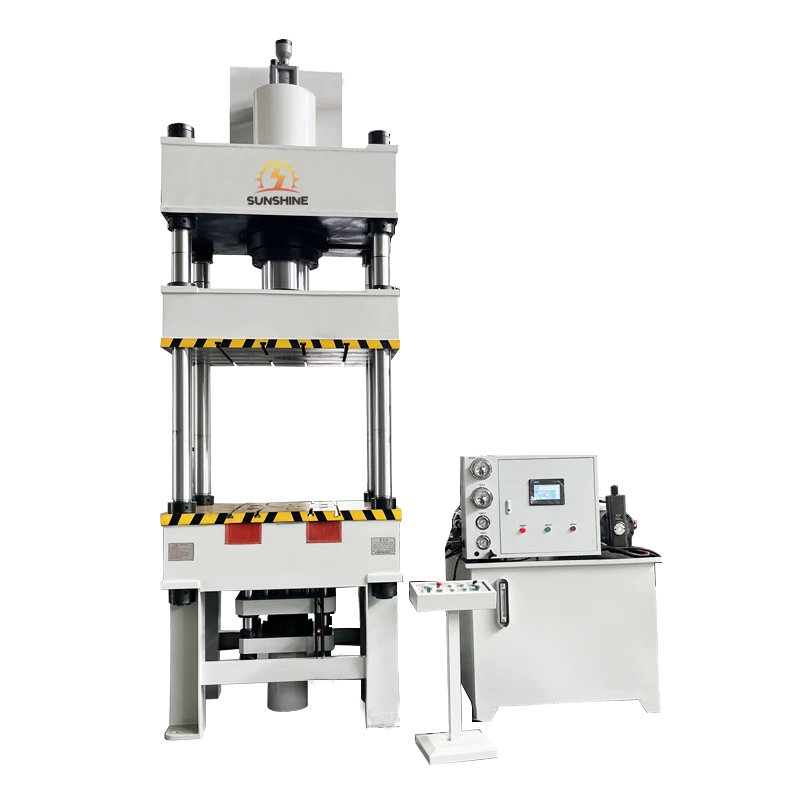

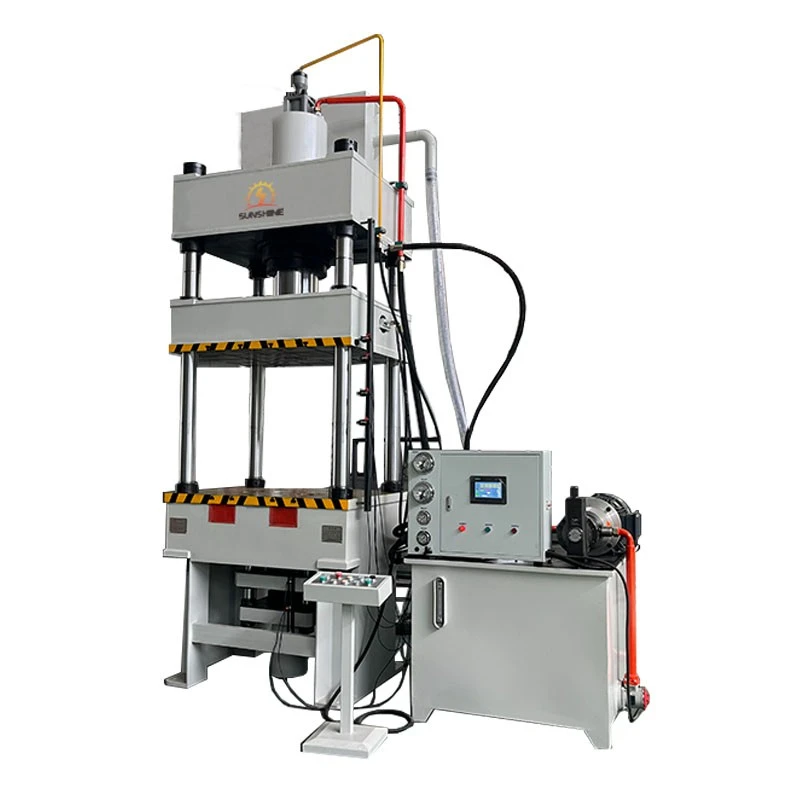
Four Column Forming Hydraulic Press
The pressing force, worktable dimensions, stroke, and control functions can be customized to suit your production requirements. As the manufacturer, we provide support with machine configuration, mold integration, and after-sales service.
Send Inquiry
Product Details ofFour Column Forming Hydraulic Press
If you are in need of four column forming hydraulic press to help with your business, please rest assured to wholesale with us. We are one of the leading such manufacturers and suppliers in China with over 20 years' history. And the customized service is also available.
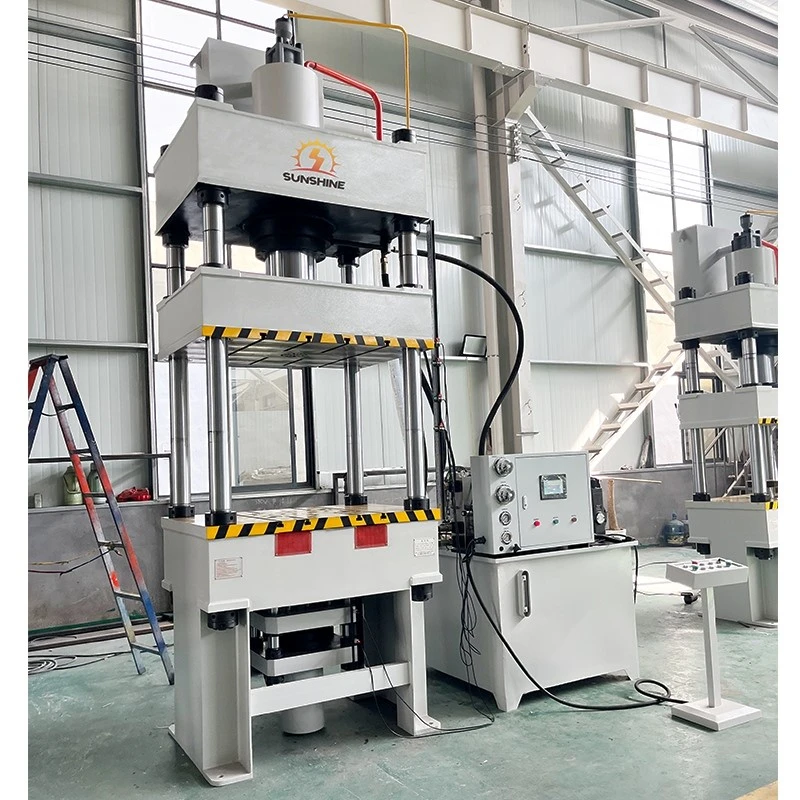
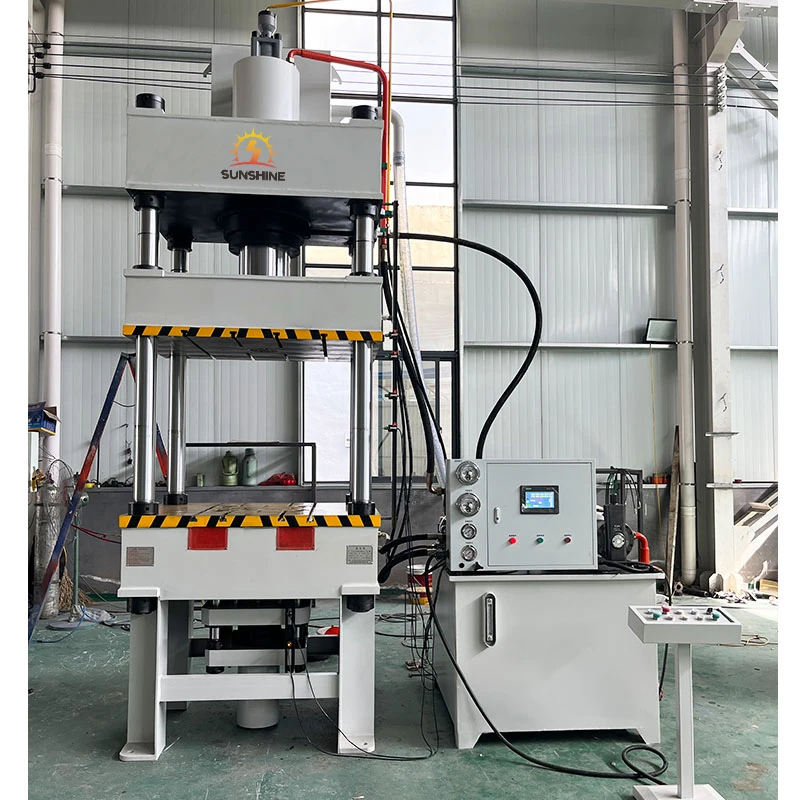
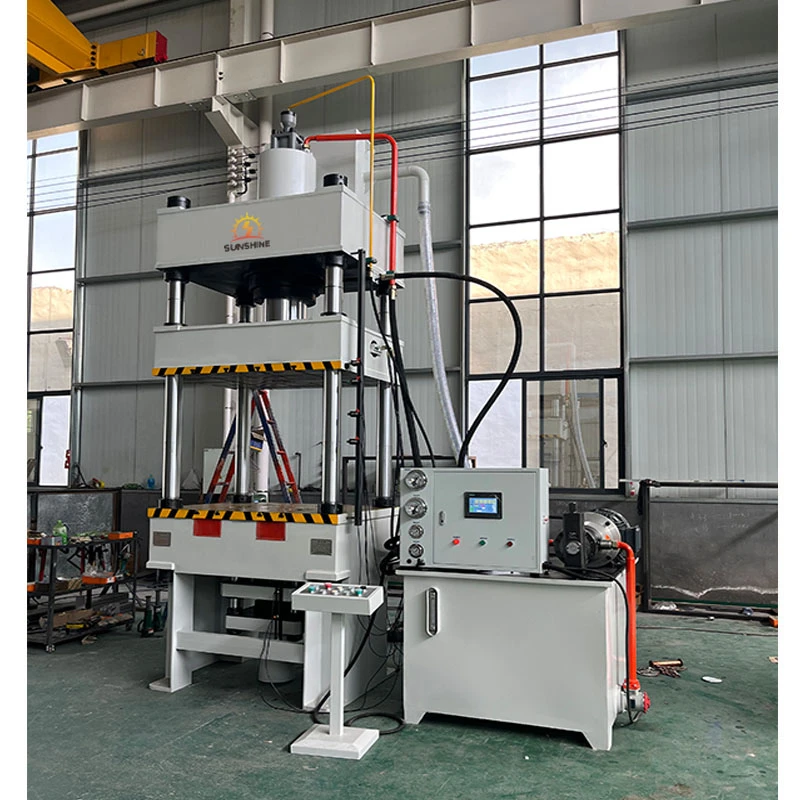
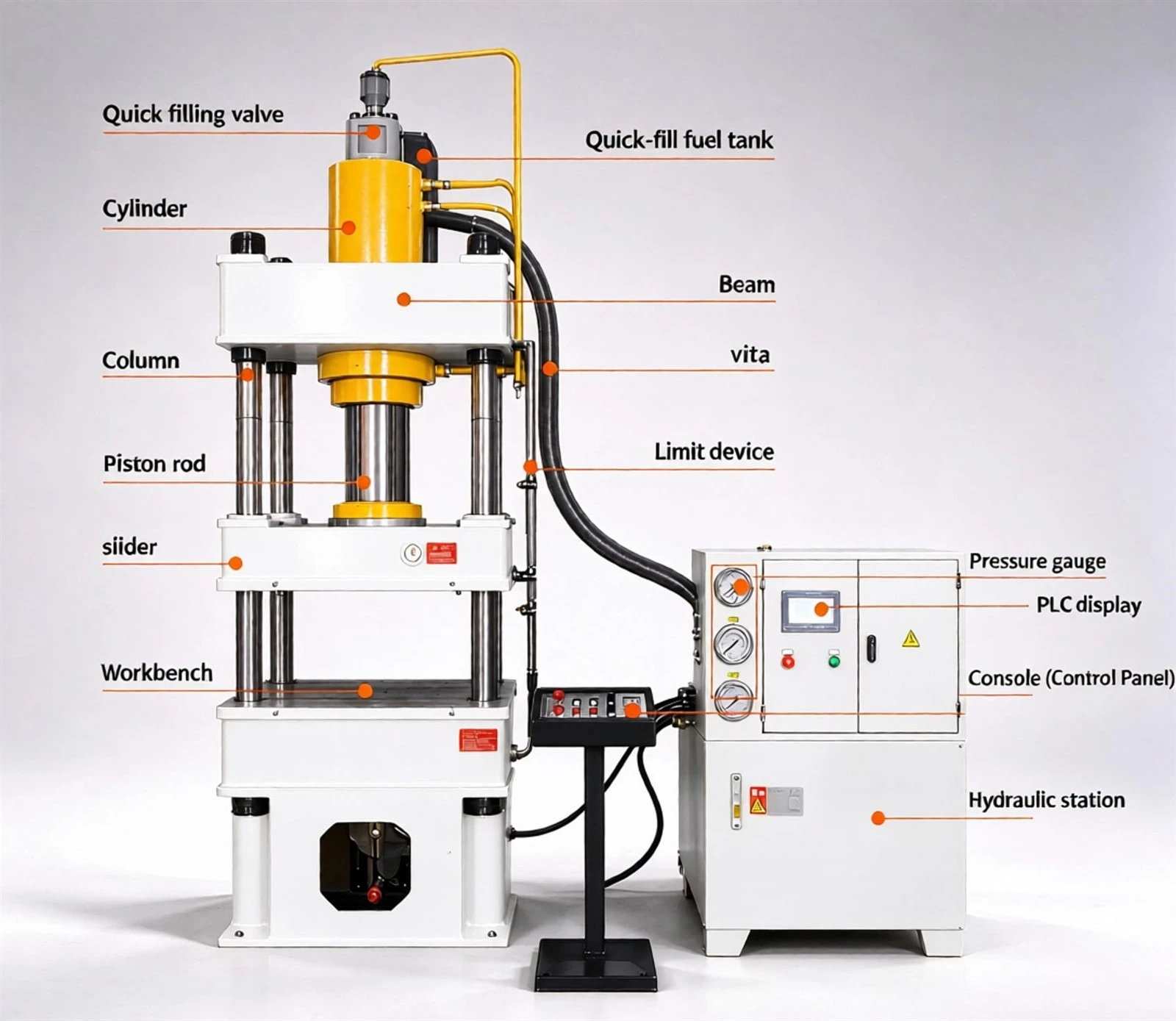
The Four-Column Forming Hydraulic Press is designed for various industrial forming and pressing applications. It features a four-column frame, with the main structural components fabricated from thick steel plates and subjected to stress-relief treatment to reduce residual stress.
The four columns are made of solid 45-grade steel, with polished, hard-chrome-plated surfaces to improve wear resistance and provide smooth movement during operation.
The press can be configured according to the characteristics of the raw materials, product dimensions, mold design, and production requirements. It is suitable for a range of applications, including metal press-fitting, bending, forming, blanking, and deep drawing, as well as the compression molding of composite materials such as SMC (Sheet Molding Compound) and BMC (Bulk Molding Compound).
| Technical Parameters | Y32-150 | |
| Nominal pressure(KN) | 1500 | |
| System pressure(Mpa) | 25 | |
| Slider stroke(mm) | 260 | |
| Maximum opening height(mm) | 350 | |
| Effective size of workbench(mm) | The left and right sides | 640 |
| The front and rear sides | 550 | |
| Slider speed(mm/s) | Rapid advance | 120 |
| Feeding | 14 | |
| Back tracking | 72 | |
| Ejection force(KN) | - | |
| under cylinder stroke(mm) | - | |
| Motor power(KW) | 5.5 | |
Structural Composition of a Four Column Hydraulic Press
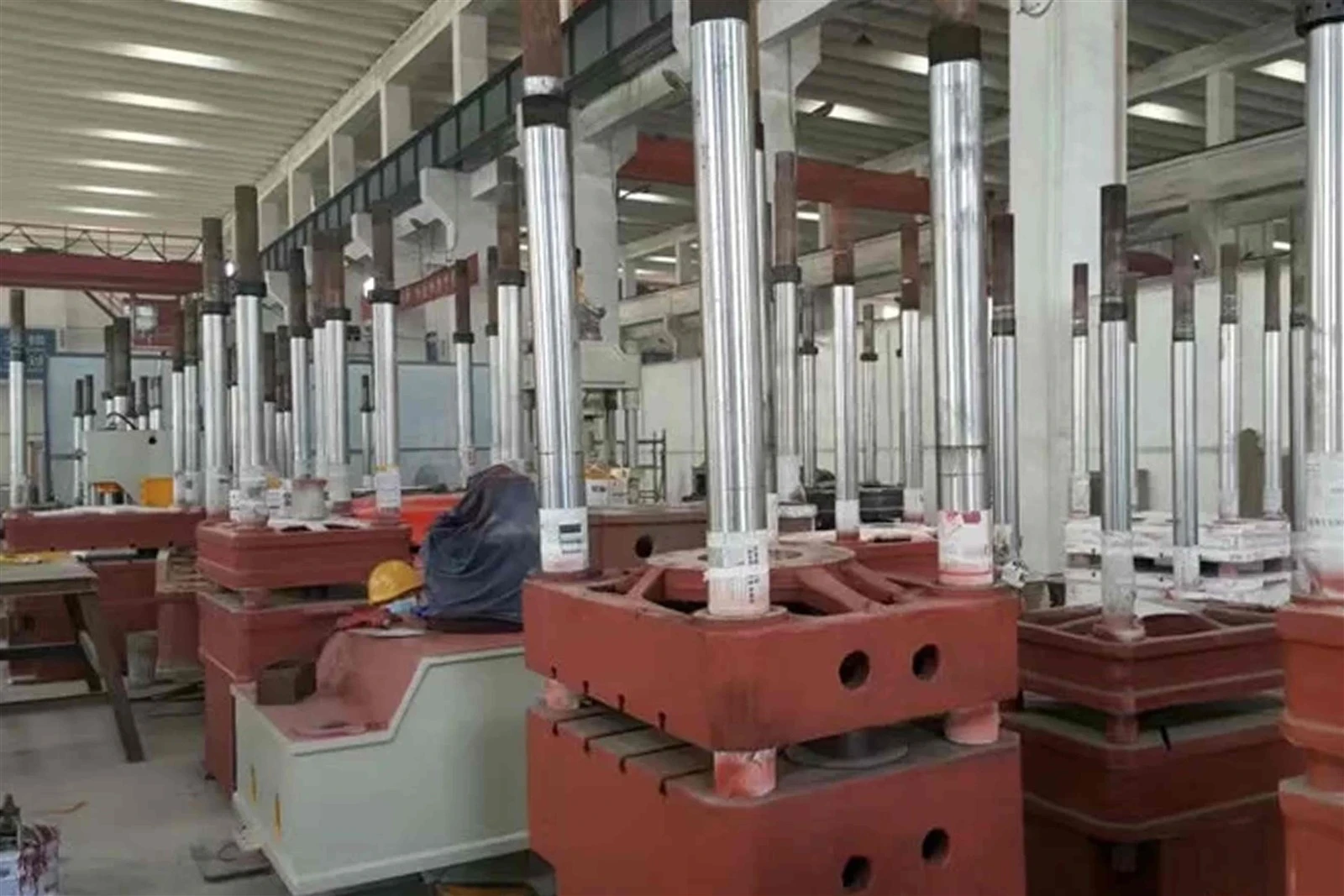
Four-Column Frame
The four columns are made of solid Grade 45 round steel and feature a 0.05 mm electroplated surface coating. The upper crossbeam and worktable are connected by nuts and adjusting nuts to form a rigid frame, while the slide moves vertically along the four columns.
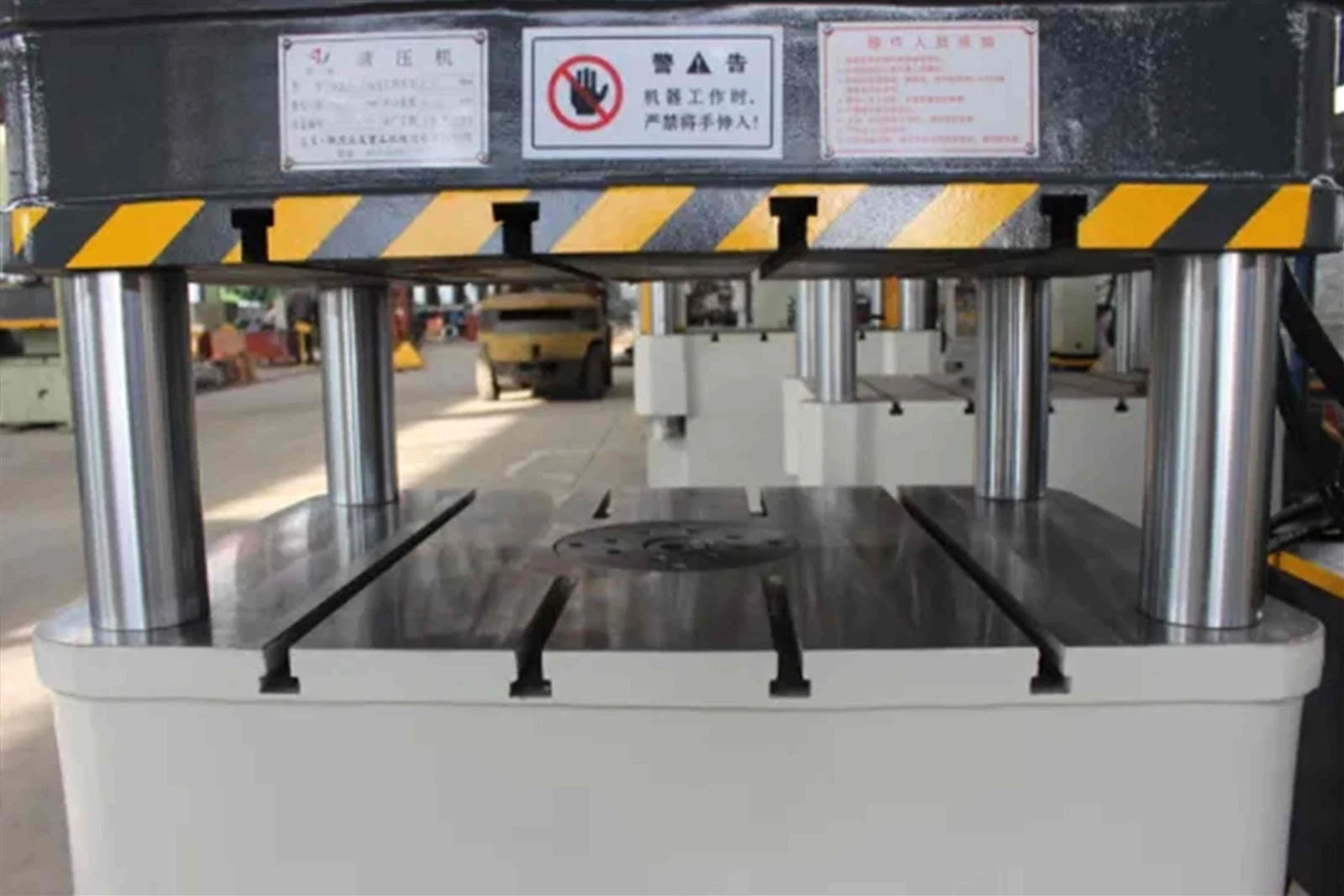
Worktables
The upper mold is mounted on the moving slide, while the lower mold is installed on the worktable. The dimensions and available space for both are determined according to the mold layout, product size, and workpiece loading and unloading requirements.
Hydraulic System
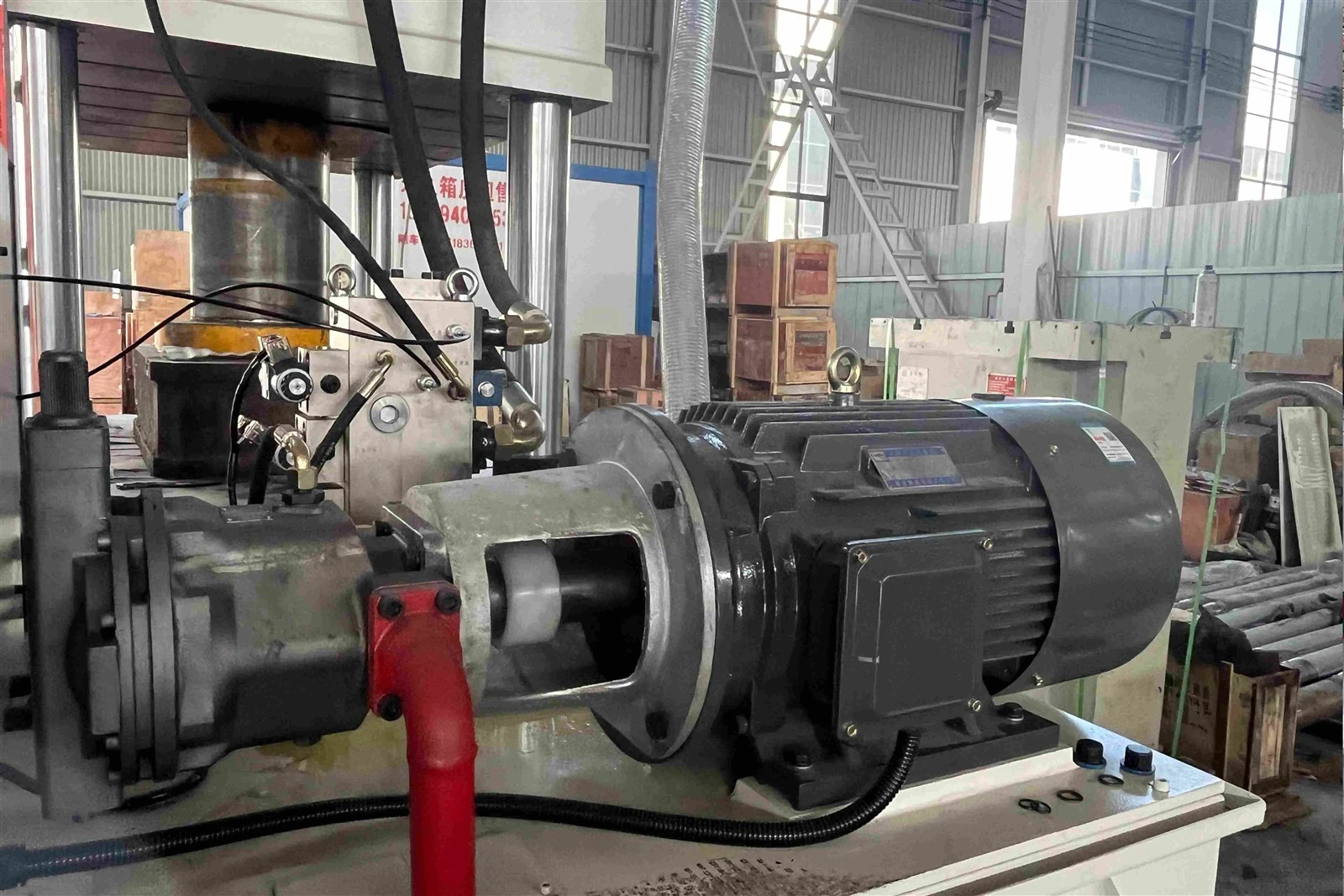
The hydraulic system supplies the power required for pressing and controls the machine's movements. It is housed separately from the main machine and consists of an electric motor, hydraulic pump, integrated valve manifold, oil tank, oil filter, and monitoring components for hydraulic oil temperature and level.
PLC Control System
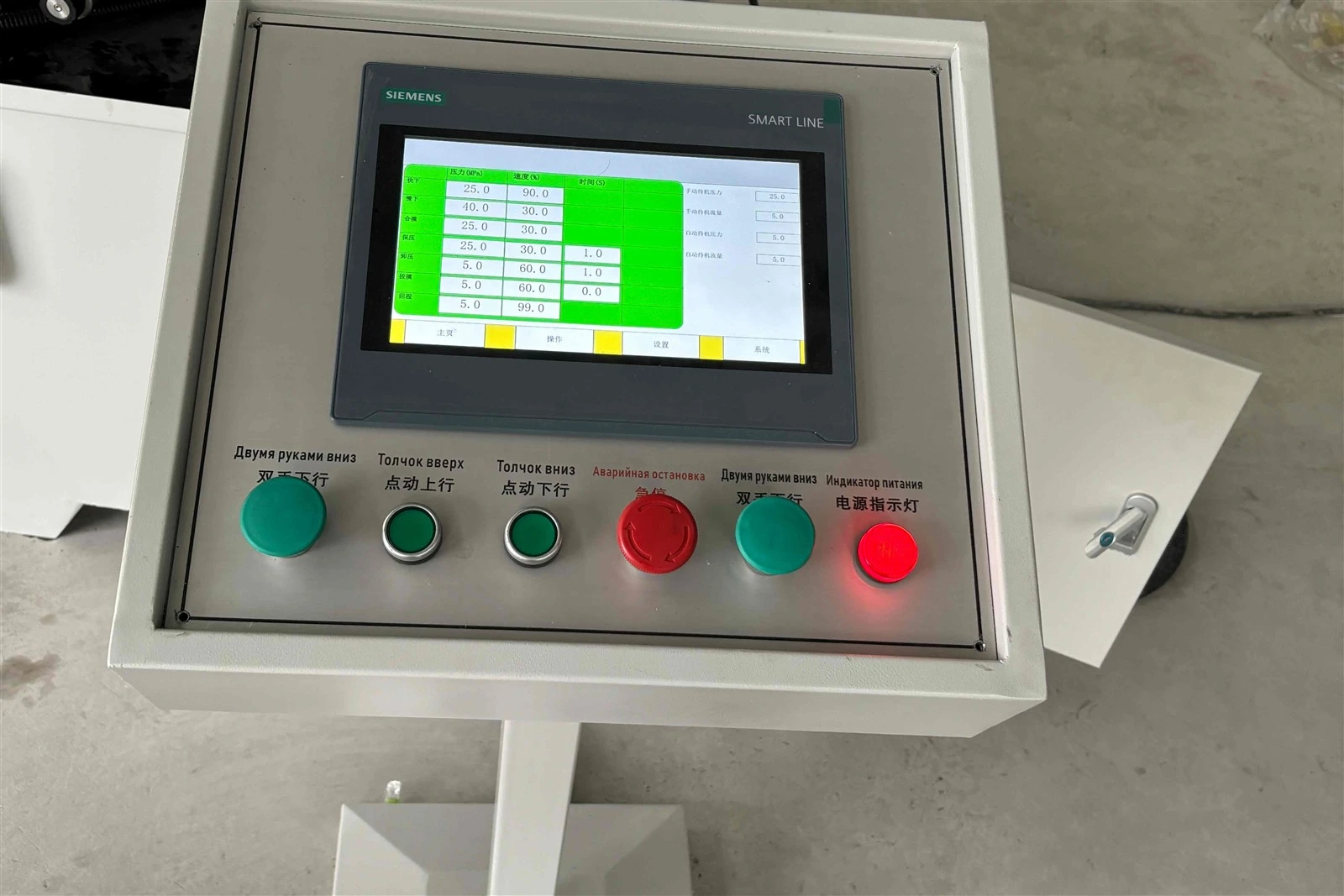
The machine is equipped with a PLC control system and touchscreen interface, which work together with proximity switches and pressure sensors to manage the pressing cycle. Operating parameters such as pressing pressure, stroke, dwell time (pressure-holding time), and cycle count can be set through the control interface.
Hydraulic Cushion
This hydraulic press is equipped with a hydraulic cushion installed beneath the worktable. The system consists of several independent small hydraulic cylinders, pressure control valves, and displacement sensors. Although connected to the main machine's hydraulic circuit, the cushion operates with independently adjustable pressure.
During deep-drawing operations, the hydraulic cushion applies a controlled upward blank-holding force to hold the edges of the sheet metal in place. This helps prevent defects such as wrinkling and uneven material flow. The blank-holding force can be adjusted in real time according to the material type and thickness. The system is designed to maintain stable pressure throughout the entire stroke, helping ensure consistent blank holding without a significant pressure drop toward the end of the cycle.
For our four-column forming hydraulic presses, the hydraulic cushion's rated force and stroke can be customized to match the customer's mold dimensions and forming requirements. After forming is complete, the cushion can also serve as an ejector, smoothly pushing the finished workpiece out of the mold. This helps reduce the risk of deformation or surface scratches, particularly when handling thin-walled components.
Mold Selection

Cavity Layout
Multi-cavity molds allow several parts to be produced in a single pressing cycle. The number and arrangement of cavities should be determined according to the product dimensions, mold size, and required production volume. For smaller components, two-cavity or three-cavity molds may be used, provided the press table has sufficient space.
Product Geometry
Products with complex shapes, such as those featuring holes, grooves, thin walls, or irregular contours, often require more complex mold designs.
Mold Materials and Service Life
The choice of mold material depends on the properties of the raw material, operating pressure, and expected production volume. For highly abrasive materials, tungsten carbide may be used because of its high hardness and wear resistance.
Part Ejection and Removal
Some products can be removed manually after pressing, while others require an integrated ejection mechanism or a specially designed lower mold structure. The removal method should be considered during the mold design stage to ensure that finished parts can be removed smoothly without damage.
Applications
Best selling Quantitative injection kettle
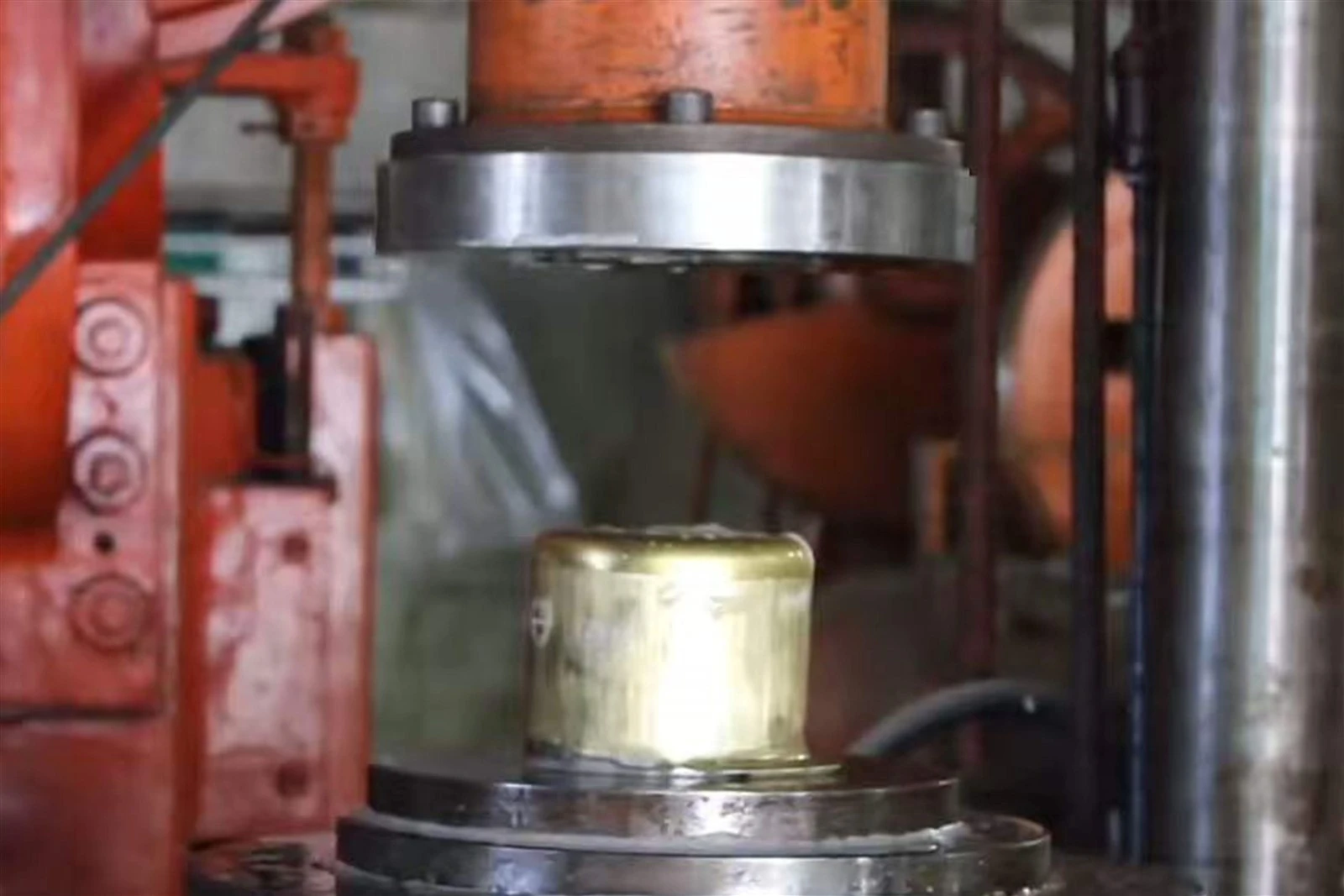
Hardware and Sheet Metal Industry: Stainless steel kitchenware, aluminum enclosures, small automotive stamped parts, and fuel tank shells.
Automotive Parts Industry
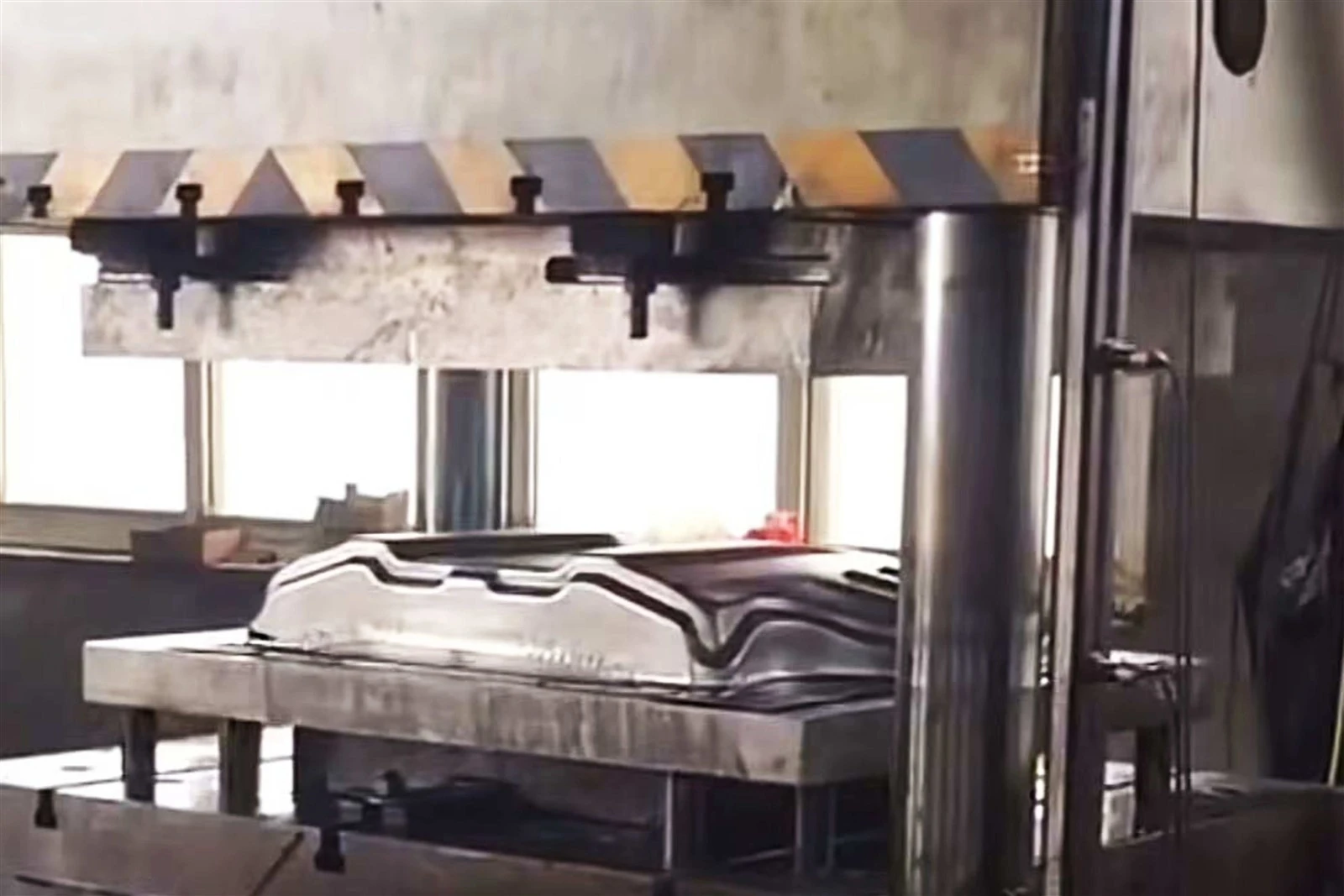
Lightweight metal components, including interior trim panels, aluminum chassis skid plates, motor housings, and heat shields.
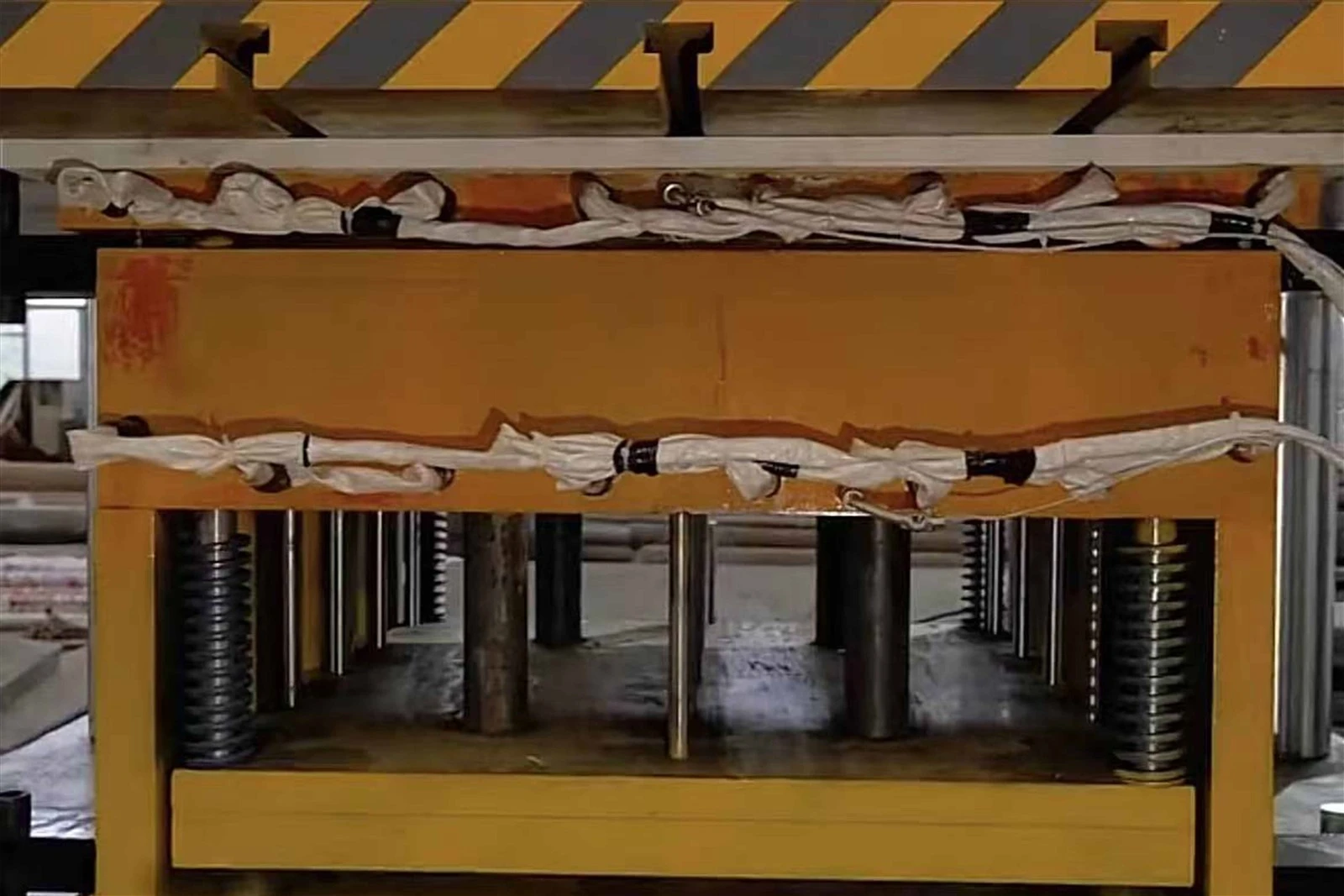
Composite Materials Industry
Hot-press molding of carbon fiber, fiberglass sheets, and resin-based composite materials.
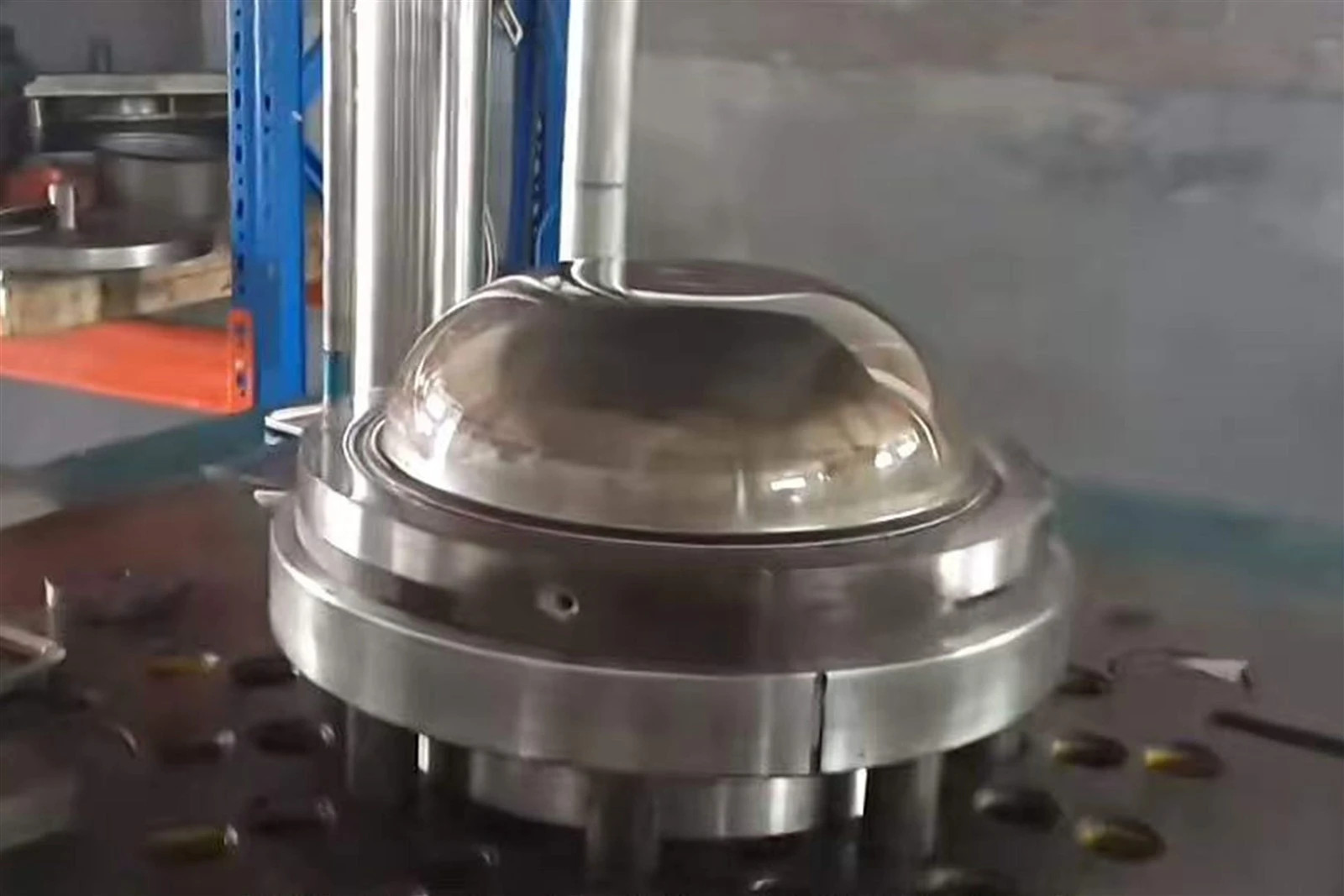
Pressure Vessel Industry
Thin-walled vessel heads, shallow-drawn cylindrical components, and other formed vessel parts.
Custom Hydraulic Press
During the project design phase, we mainly consider the following factors:
Pressing Force: Determined according to the material properties and forming requirements of the product.
Worktable Dimensions: Selected based on the mold's external dimensions, number of cavities, and available installation space.
Slide Stroke and Daylight Opening: Determined by the mold height, material loading method, and requirements for removing the finished product.
Mold Configuration: Customized according to the product shape, cavity layout, and demolding method.
Certifications and Export Experience
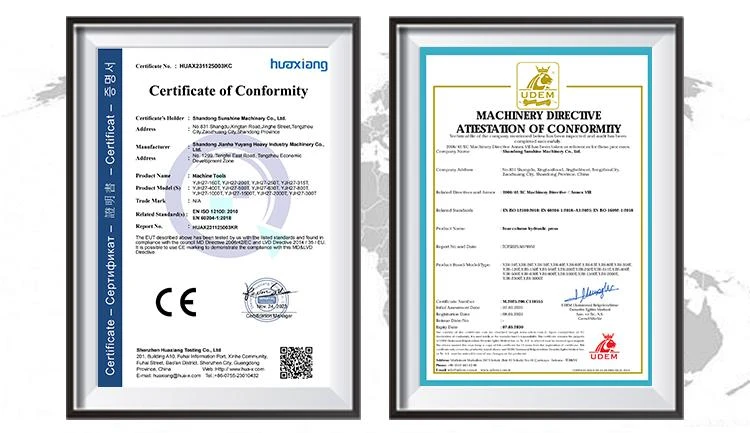
We hold CE certification and have extensive experience exporting hydraulic presses to international markets. We are familiar with the import requirements, certification procedures, and documentation needed in different countries and regions.
We can provide the necessary technical documents, equipment inspection reports, certificates of origin, and other export-related paperwork according to the requirements of each order.
Whether your equipment is being shipped to Europe, Russia, Turkey, the Middle East, Southeast Asia, or other markets, we pay close attention to export documentation and delivery requirements to help ensure a smooth import process.
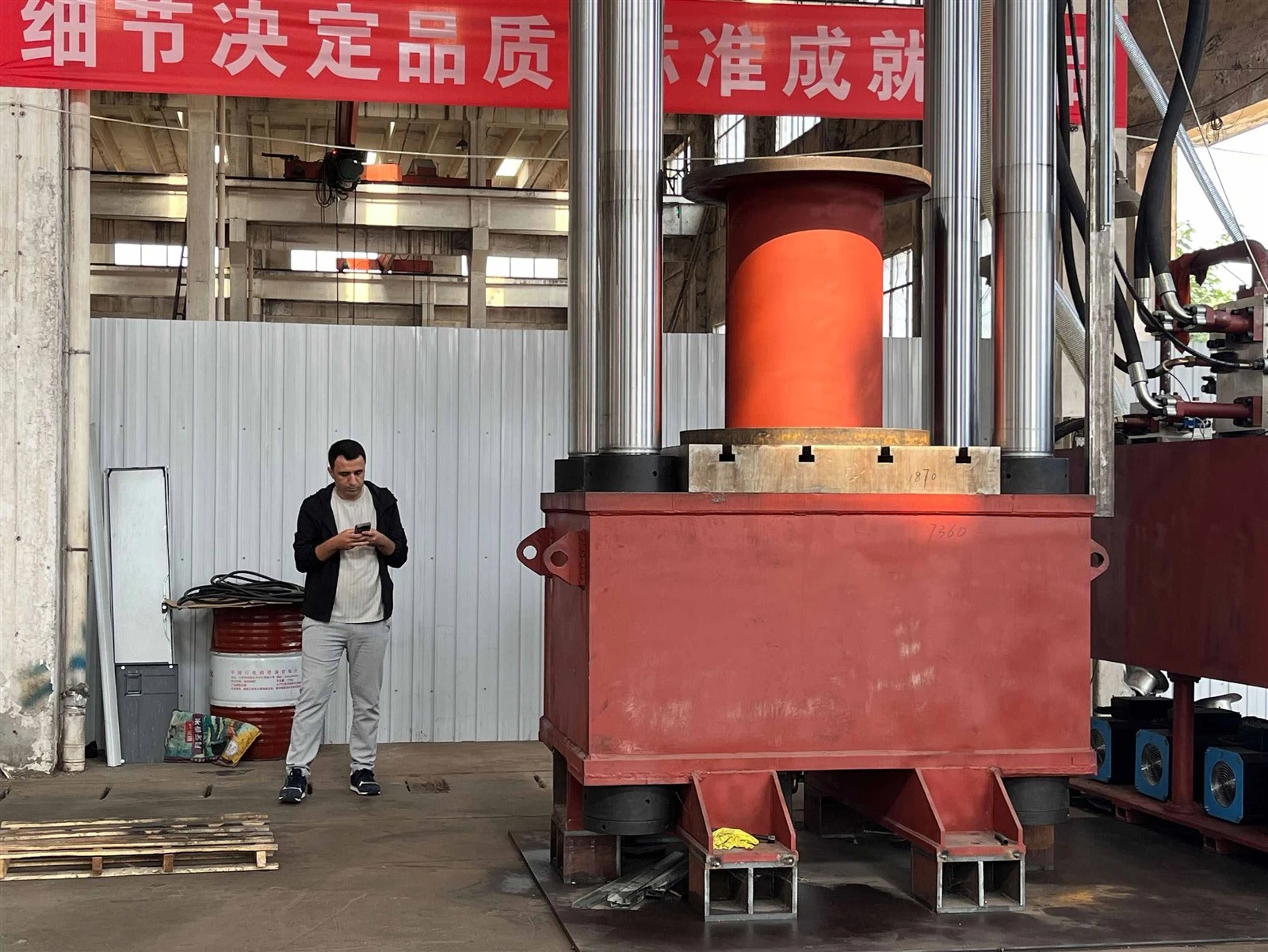
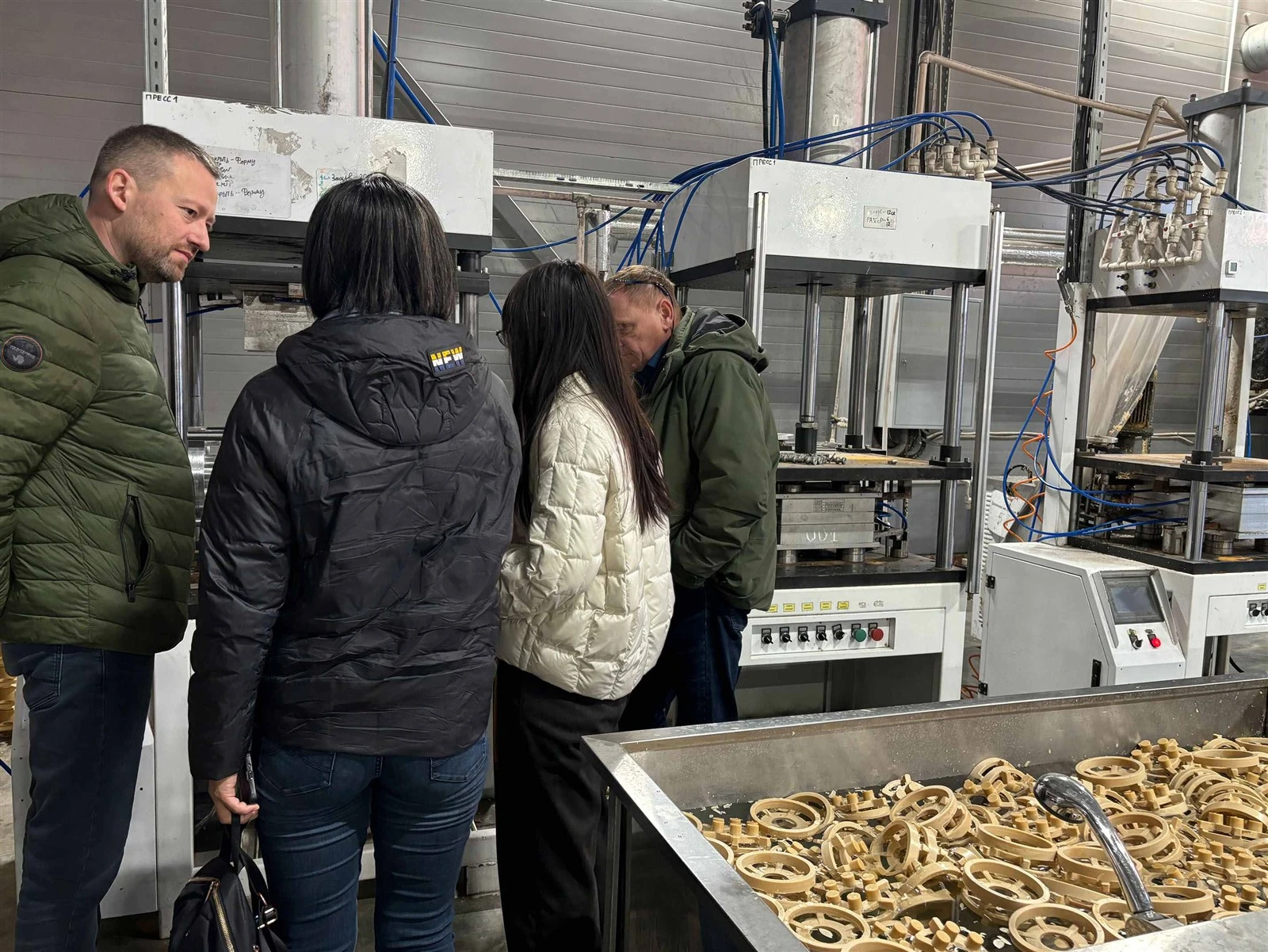
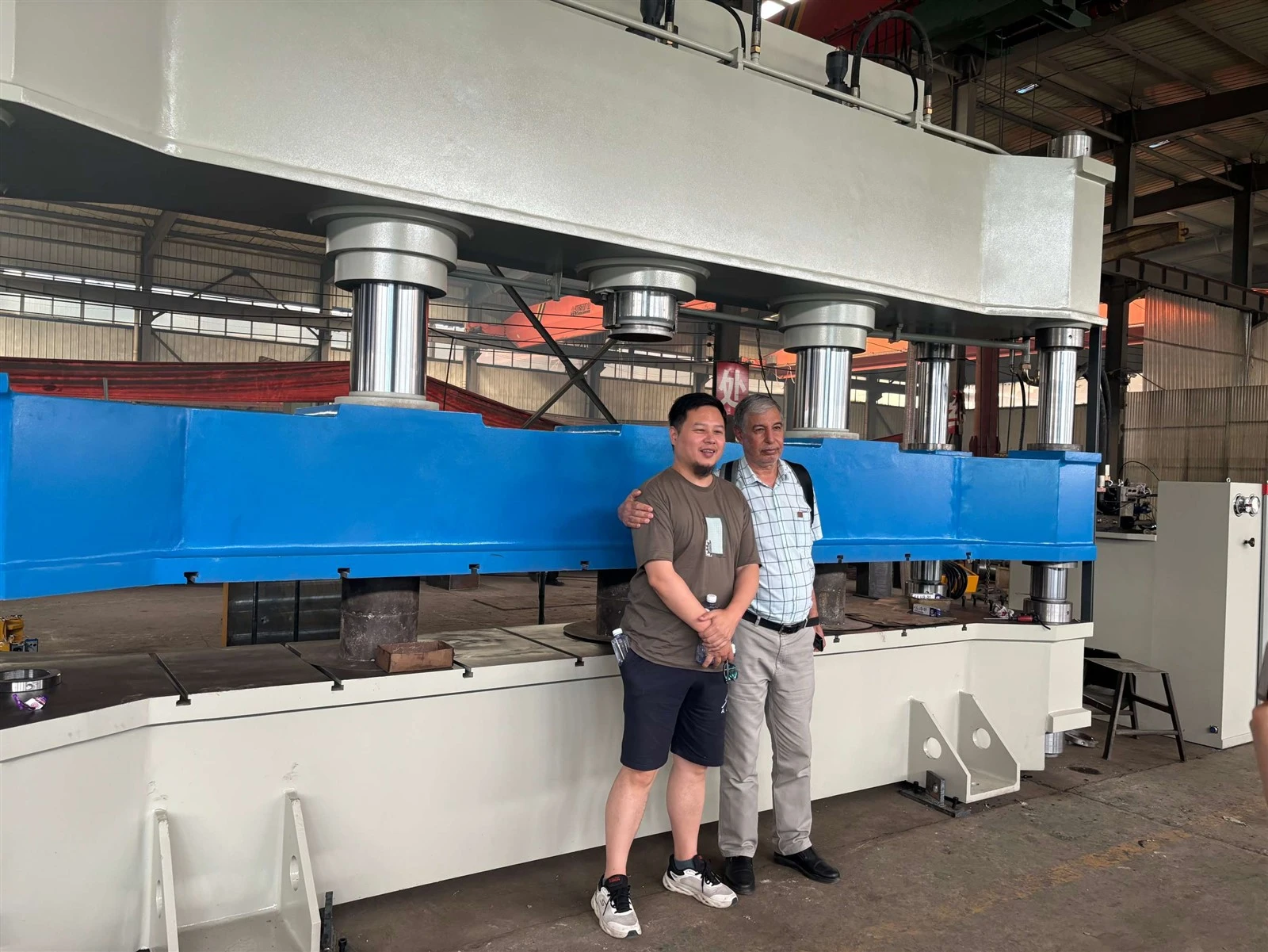
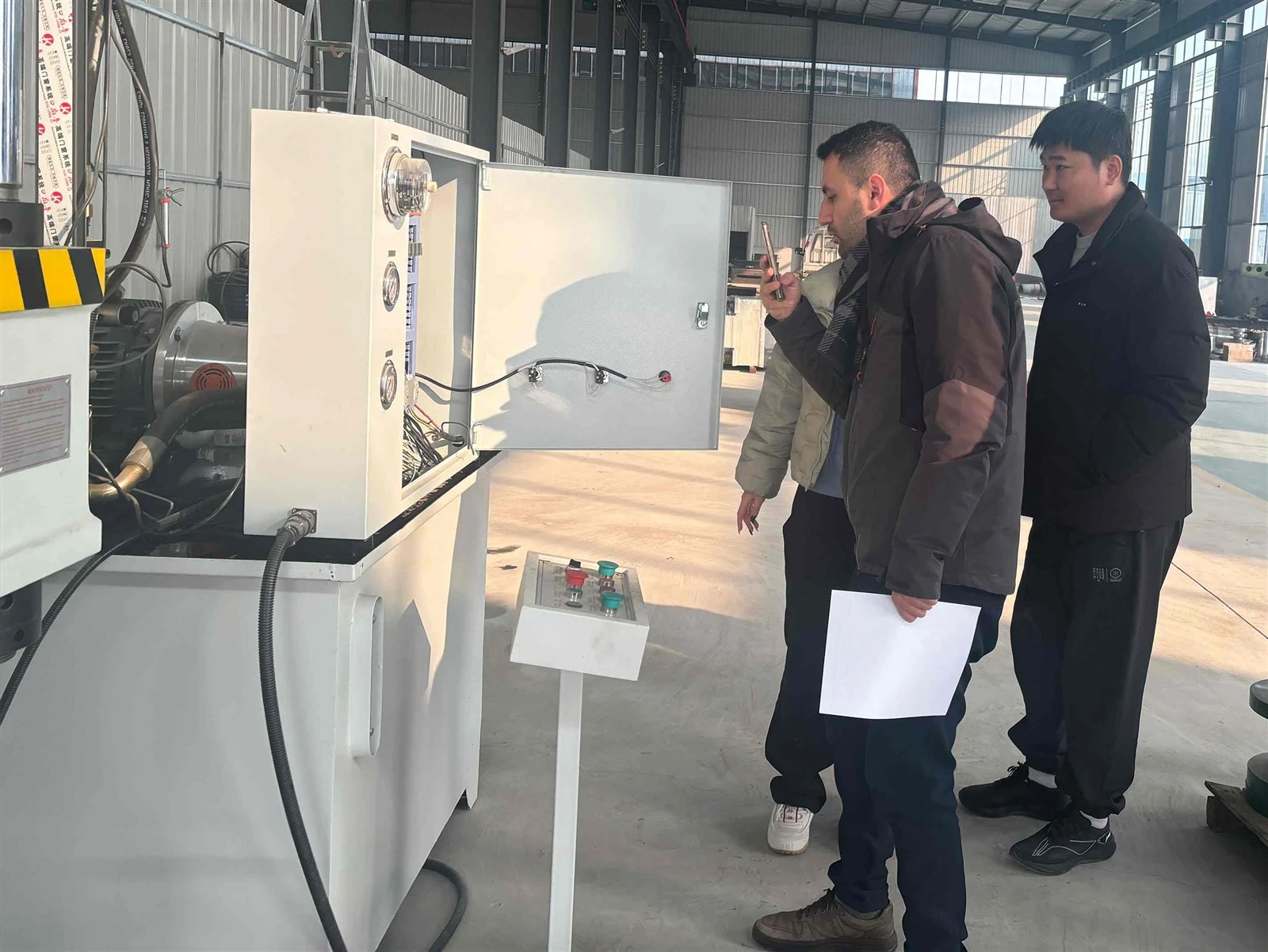
Customer Visits
From the initial contact to further cooperation, each client visit provides an opportunity for both parties to become better acquainted, discuss project requirements, and explore possibilities for future collaboration.
Hot Tags: four column forming hydraulic press, China, suppliers, manufacturers, wholesale, customized, block four column hydraulic press, coupling four column hydraulic press, embossing four column hydraulic press, hardware hydraulic press, plastic four column hydraulic press, seal four column hydraulic press
Send Inquiry
