


Salt Lick Block Press Machine
If you are in need of salt lick block press machine to help with your business, please rest assured to wholesale with us. We are one of the leading such manufacturers and suppliers in China with over 20 years' history. And the customized service is also available.
Salt Lick Block Press Machine
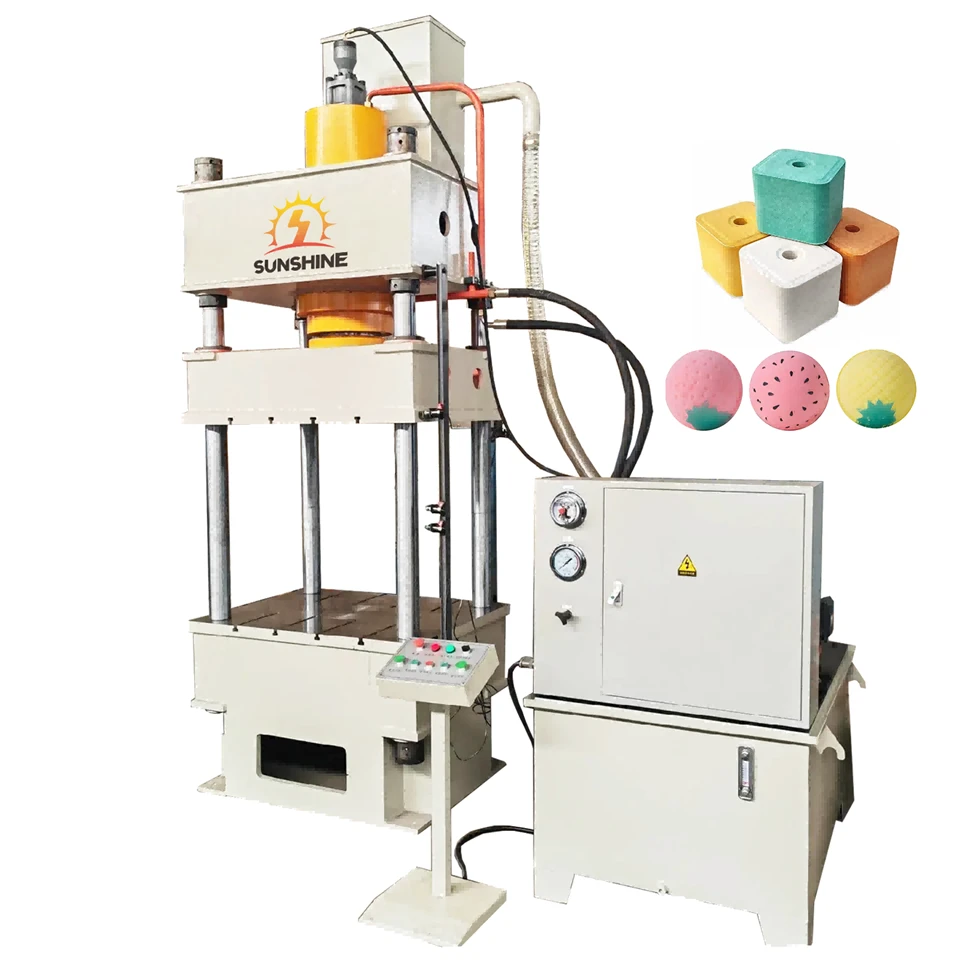
A hydraulic press for salt brick production is designed to compress edible salt, mineral salts, and other powdered ingredients into solid blocks according to specific product requirements. These machines are commonly used to produce mineral lick blocks for livestock, including cattle and sheep, as well as salt supplements for use on farms and ranches.
Compared with loose salt, compressed salt bricks are easier to portion, package, store, and transport. By adjusting the mold dimensions, pressing force, holding time, and amount of material fed into the mold, manufacturers can produce salt bricks in different weights, shapes, and densities to meet the feeding needs of different animals and the requirements of various livestock operations.
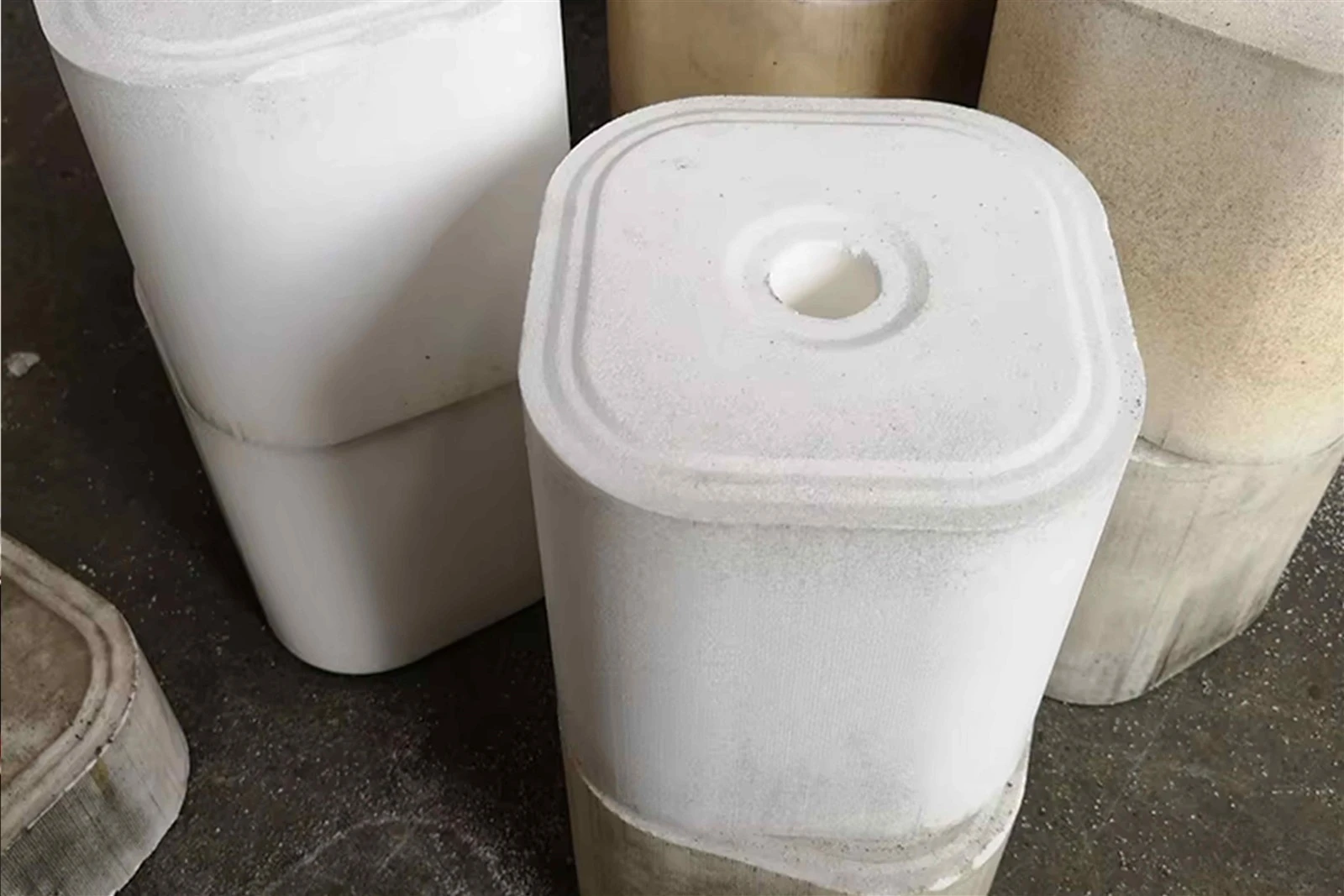
When selecting a hydraulic press, manufacturers should consider more than just the machine's rated tonnage. Important factors include the required brick weight, mold cavity dimensions, number of bricks produced per cycle, flow characteristics of the raw materials, ease of demolding, and the desired level of automation. These factors affect both the quality of the finished bricks and the efficiency of the production process.
Shandong Sunshine Machinery provides hydraulic powder-molding presses for salt brick production, with configurations selected according to the required brick specifications, raw material properties, and production capacity. Custom molds and feeding systems are also available to suit different product designs and production requirements.
Raw Materials Used in Pressed Salt Blocks
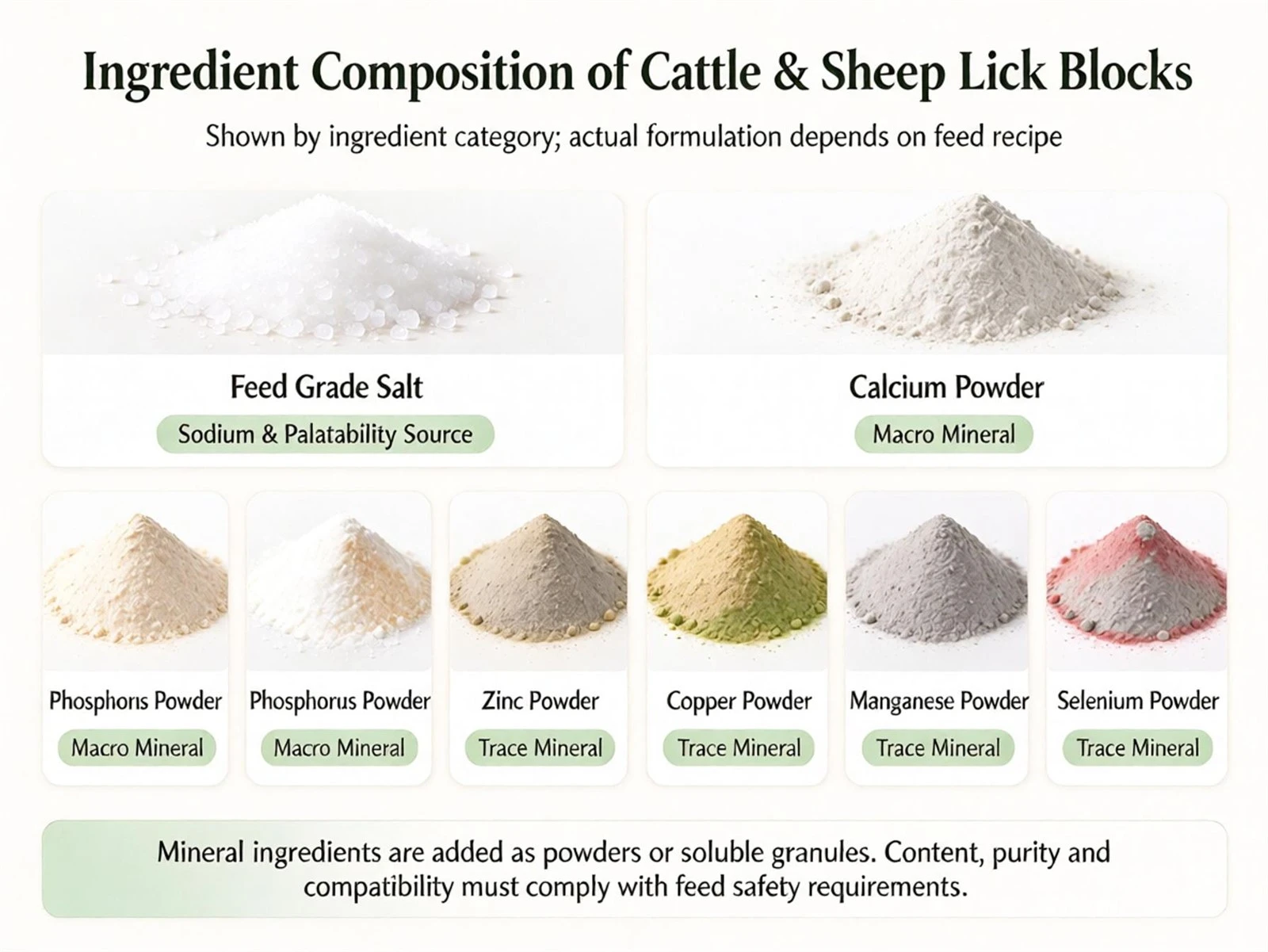
Feed-Grade Salt
Sodium chloride is the primary ingredient in most salt blocks for livestock.
Mineral Additives
Depending on the nutritional needs of the target animals, the formulation may include mineral sources containing calcium, phosphorus, magnesium, zinc, copper, manganese, and selenium.
Additional Ingredients
Nutritional lick blocks may contain other ingredients, such as molasses, urea, maifan stone, bentonite, or binders, depending on the intended application. These ingredients may be used in blocks designed for weight gain or protein supplementation.
Salt blocks for livestock, including cattle and sheep, typically weigh 3 kg, 5 kg, or 10 kg per block. Requirements vary by country and region, so the final specifications should be determined according to the customer's product requirements.
Main Parameters of Hydraulic Presses
| Technical Parameters | Y32-315T | Y32-500T | Y32-630T | |
| Nominal pressure(KN) | 3150 | 5000 | 6300 | |
| System pressure(Mpa) | 25 | 25 | 25 | |
| Slider stroke(mm) | 500 | 700 | 800 | |
| Maximum opening height(mm) | 800 | 1000 | 1300 | |
| Effective size of workbench(mm) | The left and right sides | 800 | 1400 | 1400 |
| The front and rear sides | 700 | 1400 | 1400 | |
| Slider speed(mm/s) | ldle stroke | 120 | 120 | 120 |
| Feeding | 14 | 15 | 12 | |
| Back tracking | 69 | 130 | 130 | |
| Ejection force(KN) | - | 630 | 1000 | |
| under cylinder stroke(mm) | - | 260 | 320 | |
| Motor power(KW) | 15 | 22×2 | 22×2 | |
| Applicable Salt Brick Specifications(kg) | 3 | 5 | 10 | |
| Common Applications | Small salt lick blocks for sheep | Salt blocks and mineral lick blocks for cattle and sheep on livestock farms | Large salt blocks for cattle and long-term salt supplementation on livestock farms | |
★ Note: The information above is for reference only. Some 3 kg salt blocks may require a higher-tonnage hydraulic press depending on the mold dimensions, target density, and number of cavities. Likewise, the pressure requirements for 5 kg and 10 kg salt blocks may vary depending on the material formulation and mold design.
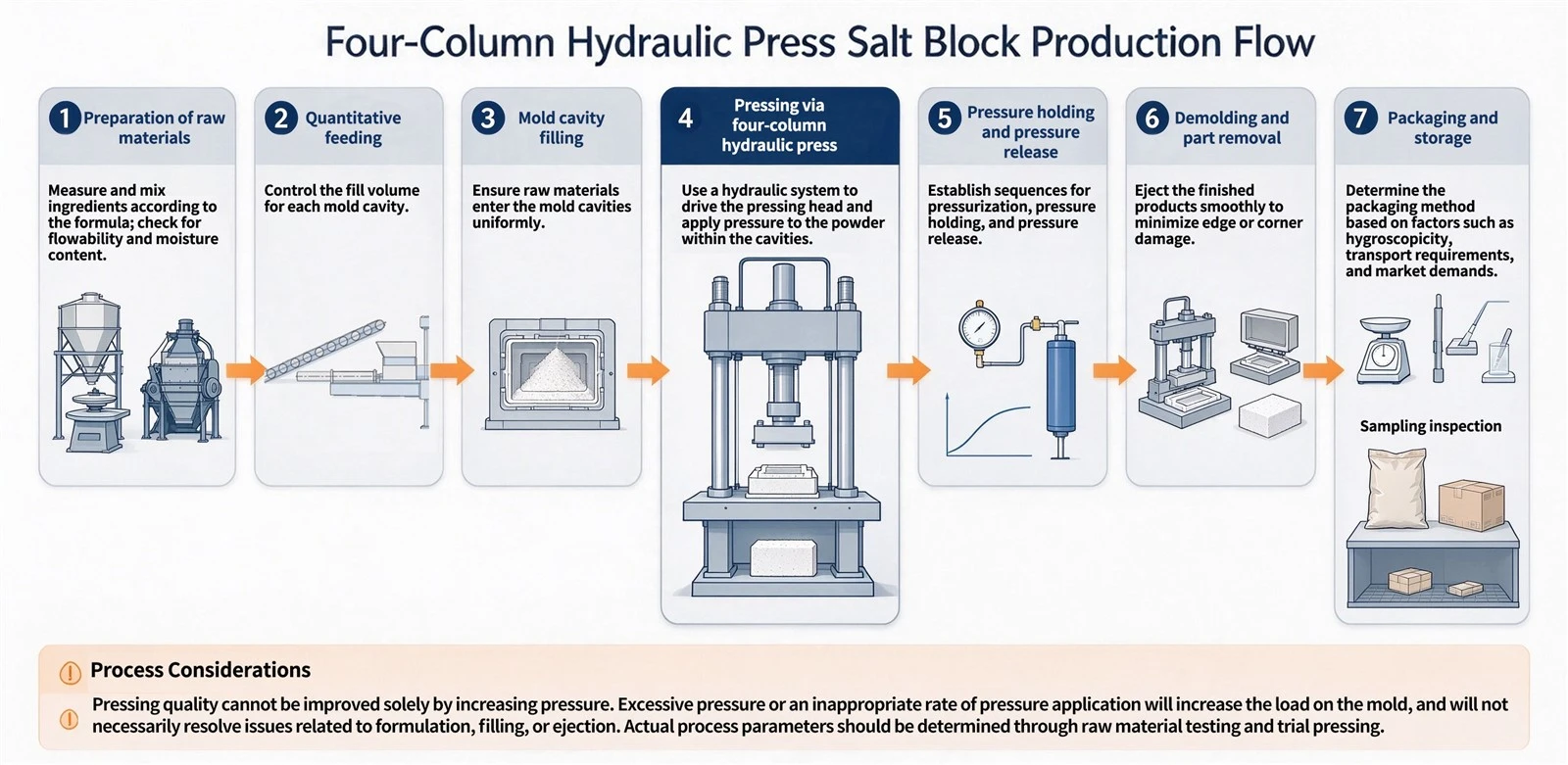
Core Performance Features of the Hydraulic Press
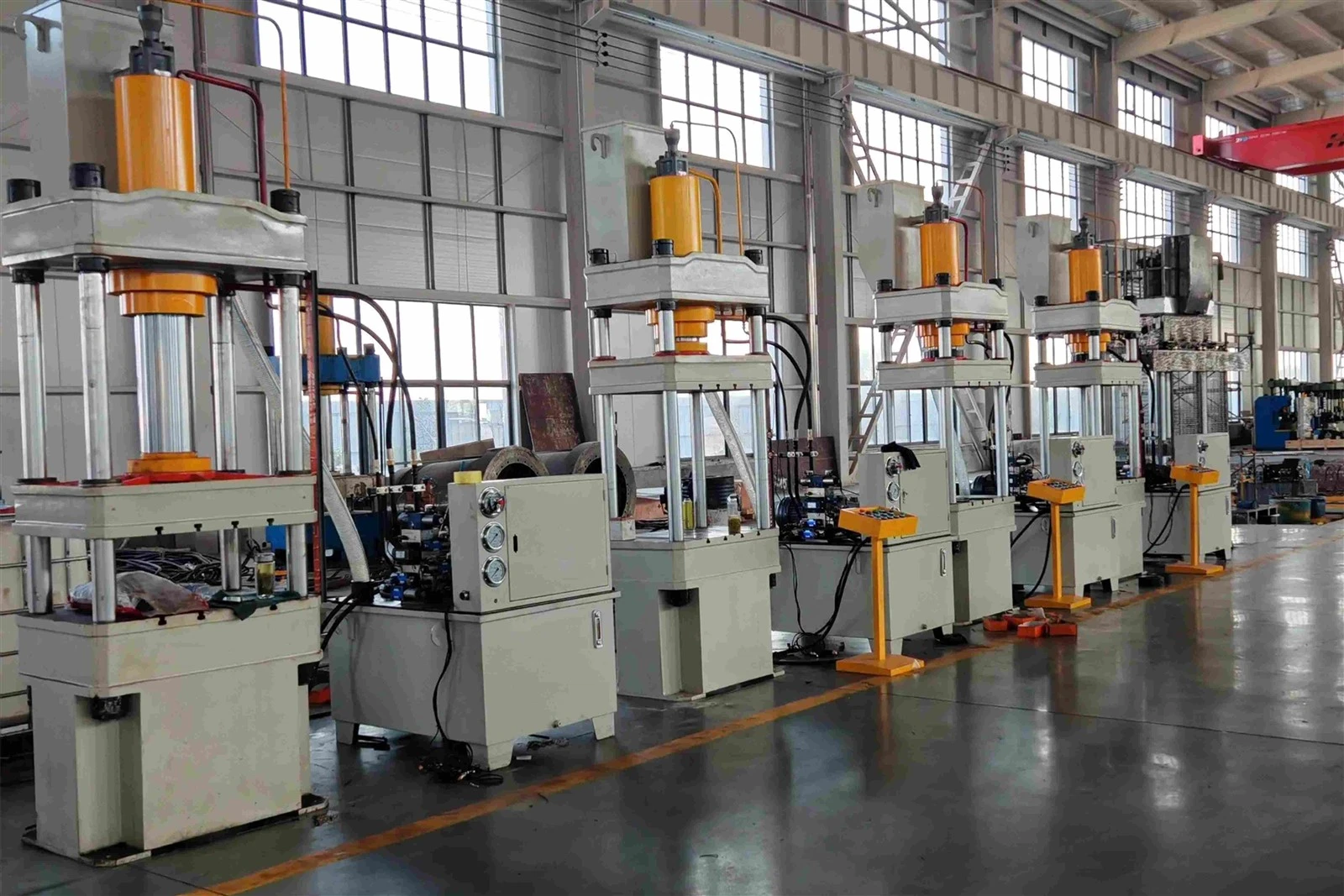
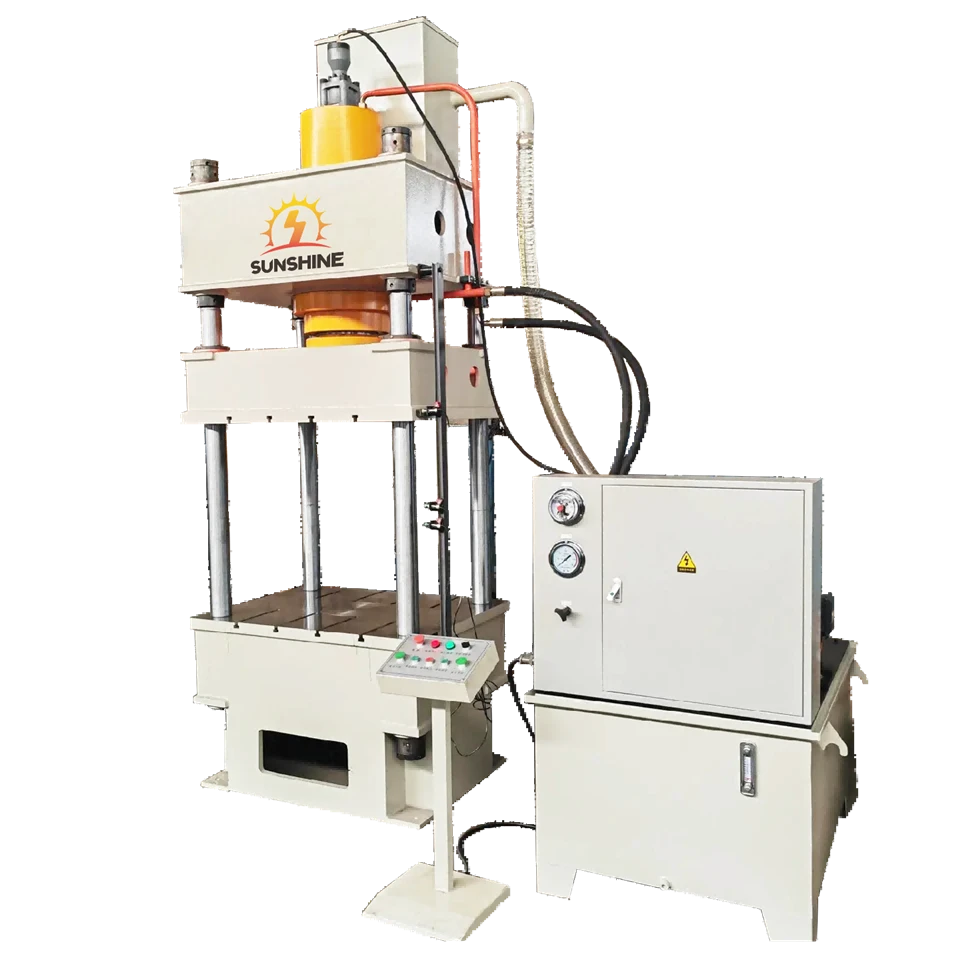
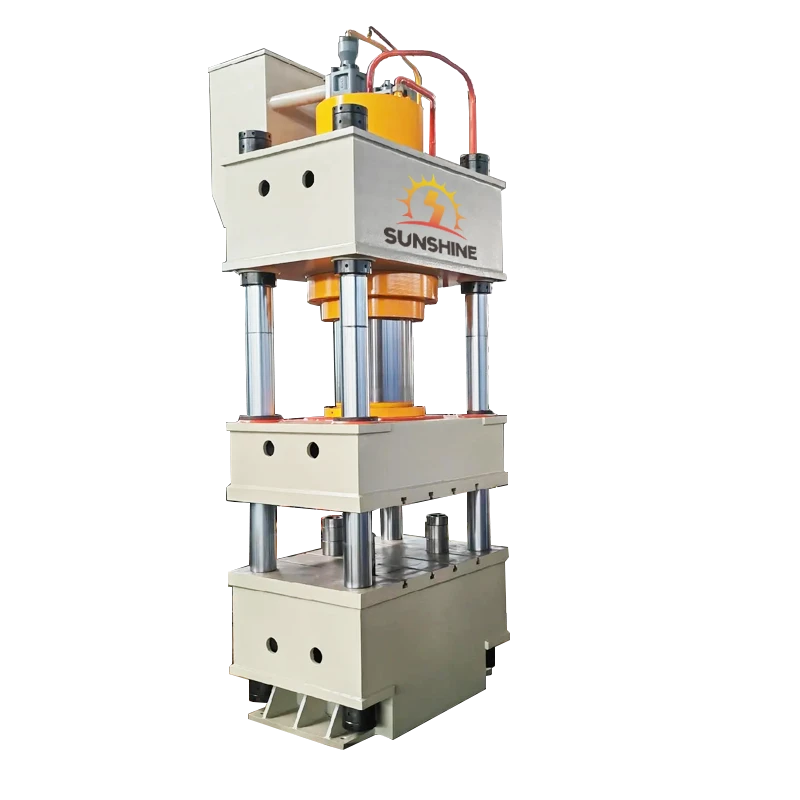
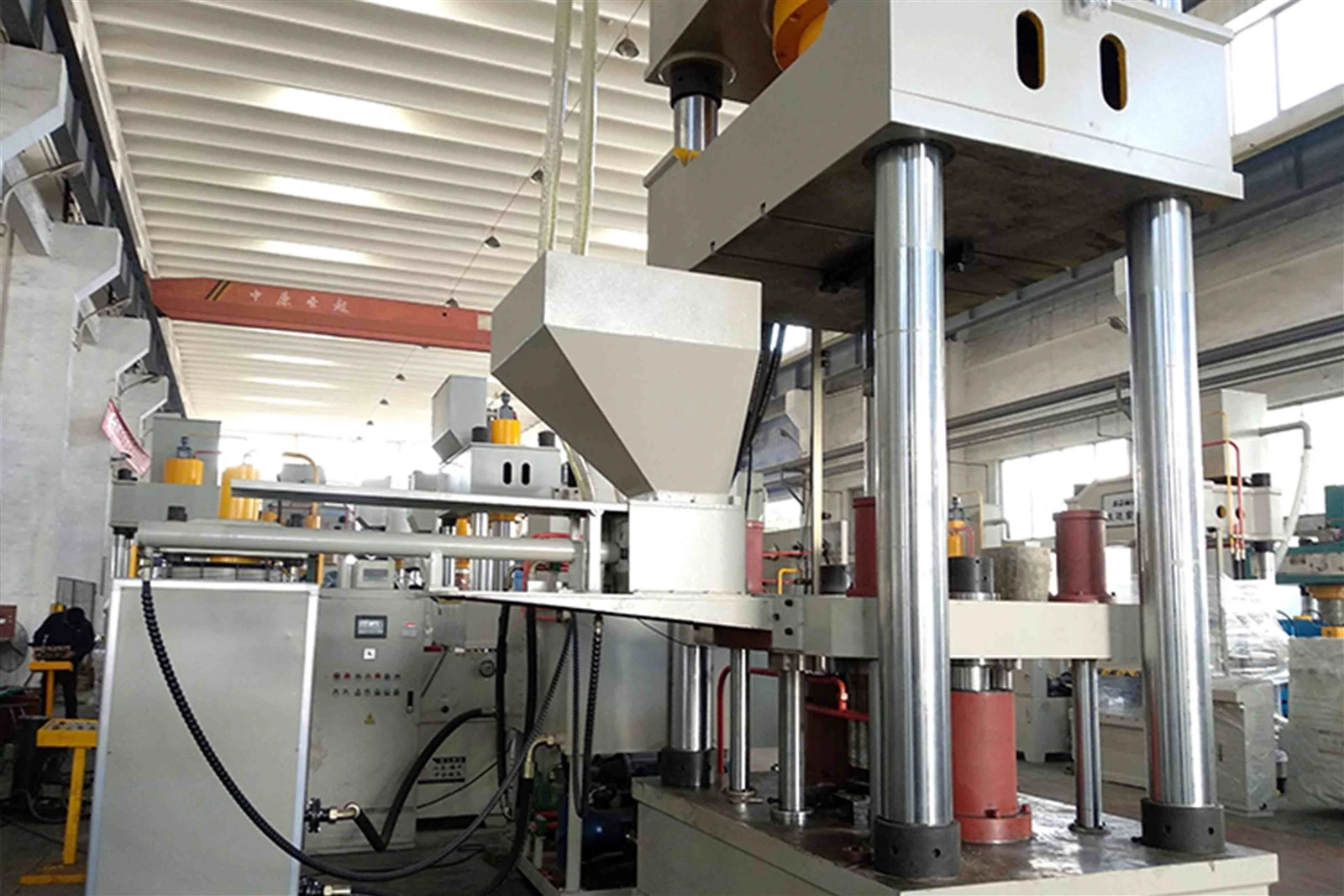
The four-column hydraulic press uses four vertical columns to connect the upper crossbeam, moving crossbeam, and worktable, forming a rigid frame. The daylight opening (vertical clearance), stroke, and worktable dimensions can be customized to suit the salt block dimensions, number of mold cavities, and demolding requirements. This allows the press to handle different block sizes and product specifications.
The hydraulic system generates the pressing force required for salt block production and moves the crossbeam through each stage of the cycle: approach, pressurization, pressure holding, decompression, and return. Its main components include a hydraulic pump, drive motor, control valves, hydraulic cylinders, oil tank, filtration units, and connecting pipes. Together, these components apply pressure to compact the powdered material inside the mold cavities.
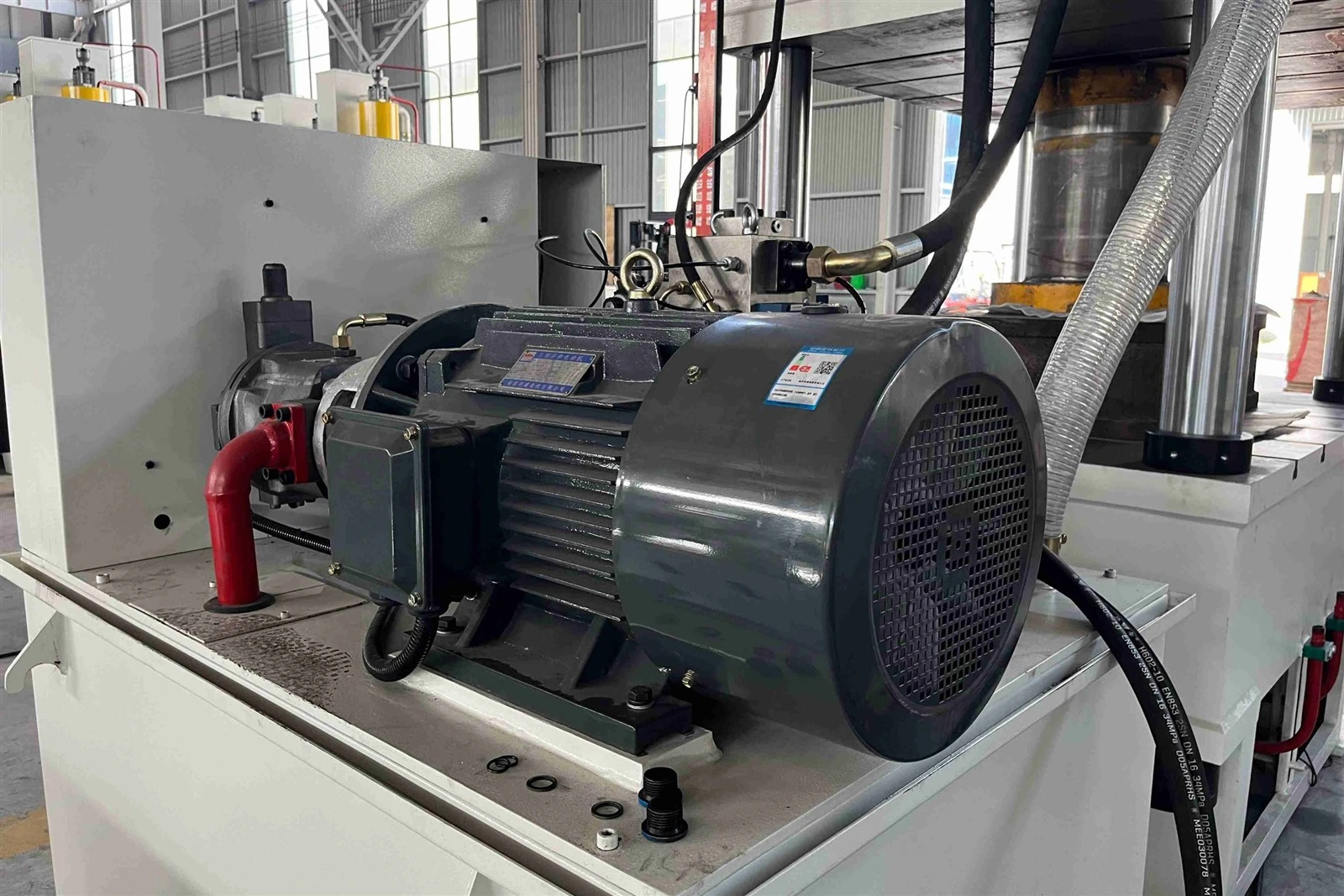

The salt block hydraulic press can be equipped with a PLC based on the customer's production requirements. The PLC controls crossbeam movement, pressing stages, pressure-holding time, decompression, and the return stroke.For models with automatic feeding, the PLC can also coordinate material feeding, distribution, pressing, and demolding, allowing these operations to run as part of a coordinated production cycle.
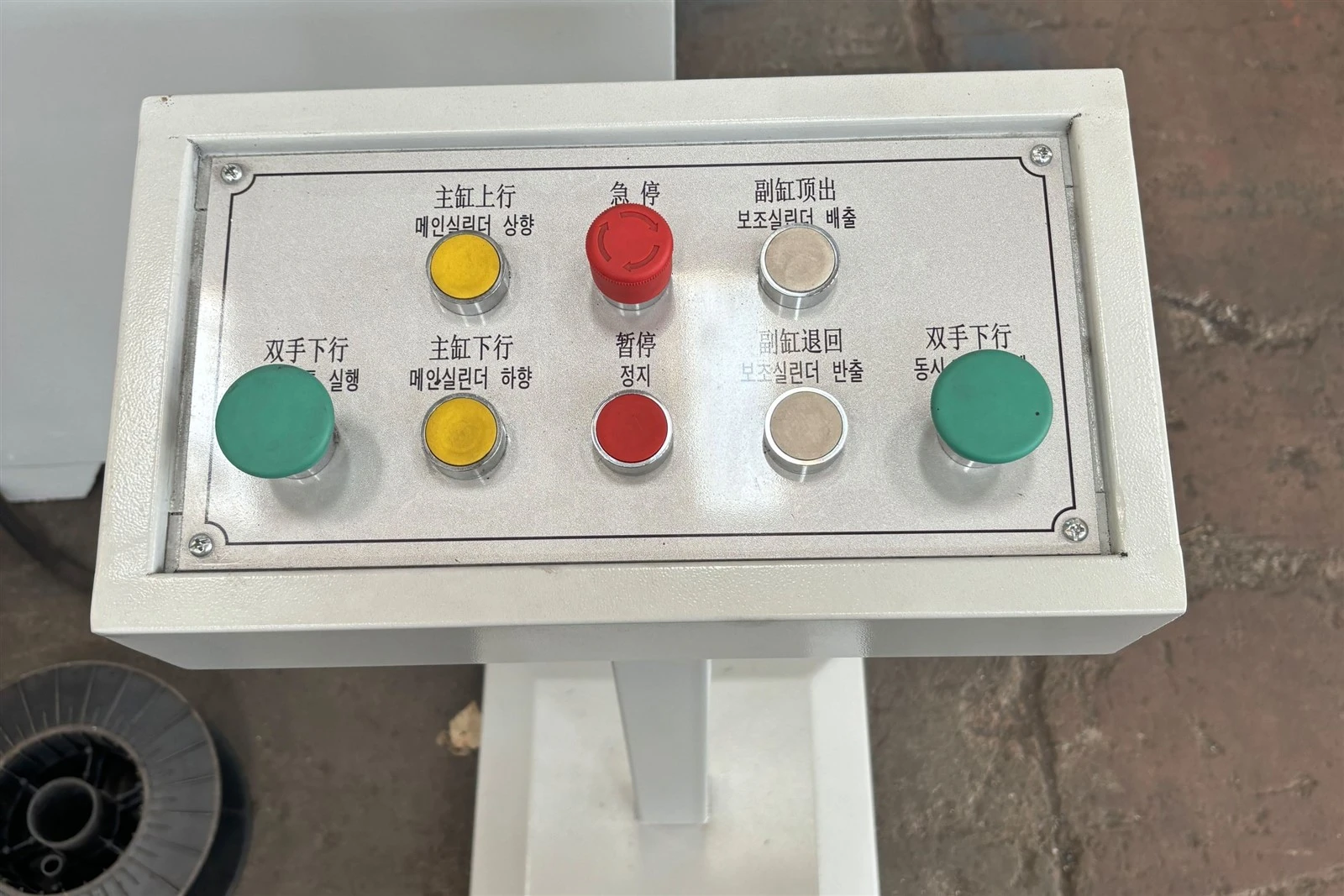
Depending on the machine configuration, the salt block hydraulic press can be operated using a push-button station or a touchscreen interface. On touchscreen-equipped models, operators can monitor machine status and adjust available process parameters.Operating modes such as manual, setup, and automatic can be configured to support different tasks, including mold installation, machine adjustment, commissioning, and routine production.
Molds and Feeding Systems for Hydraulic Salt Block Presses
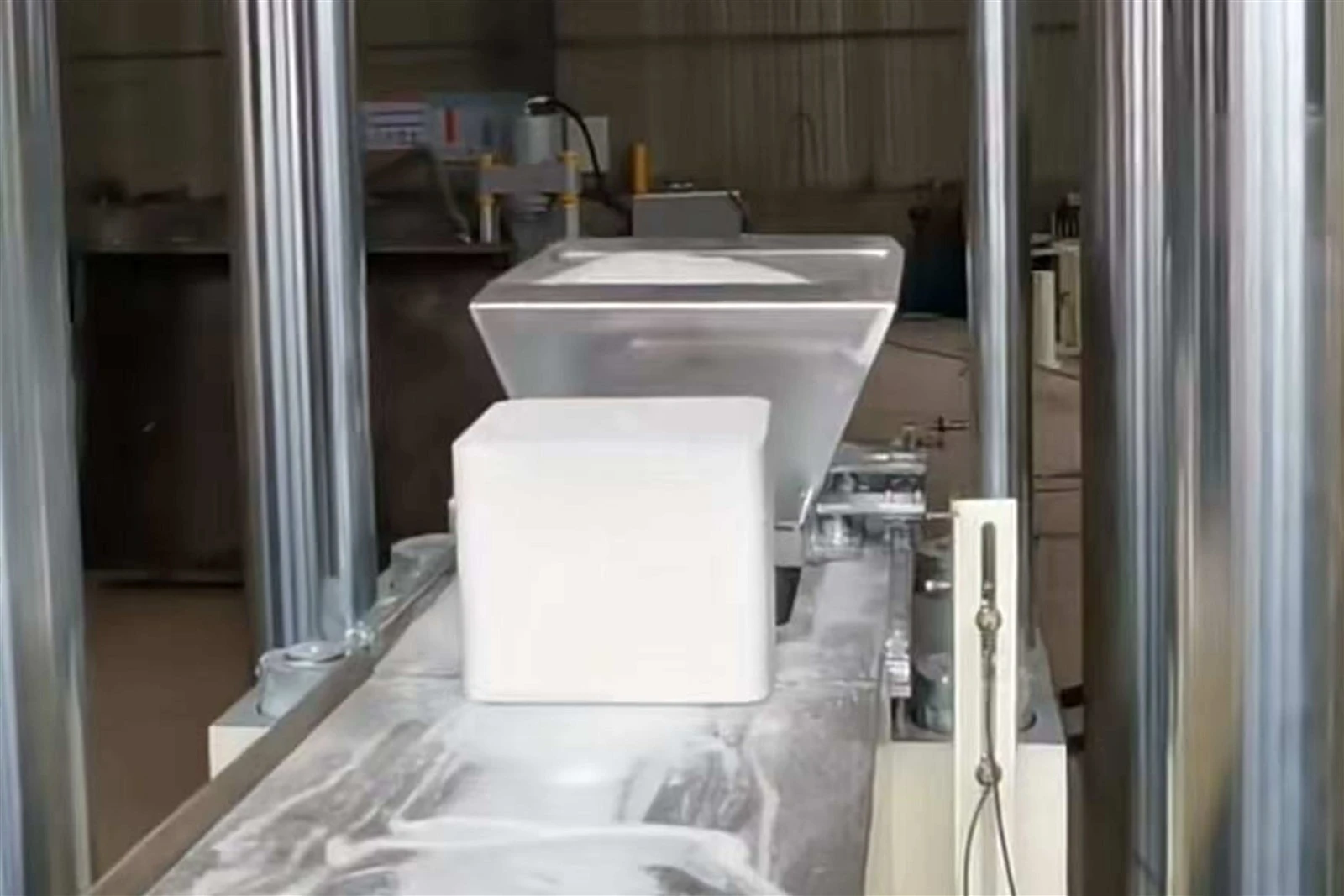
The molds and feeding systems used in hydraulic salt block presses should be selected according to the required block specifications, raw material properties, and production capacity. The mold determines the shape and dimensions of the finished blocks, the number of cavities, and the ejection method. The feeding system delivers the mixed powder into each mold cavity in a consistent and controlled quantity.
Single-Cavity Molds
Single-cavity molds are suitable for small-batch production, product trials, and applications that require frequent changes in block size or specifications. Each pressing cycle produces one salt block, making it easier to adjust the mold dimensions and pressing parameters.
Multi-Cavity Molds
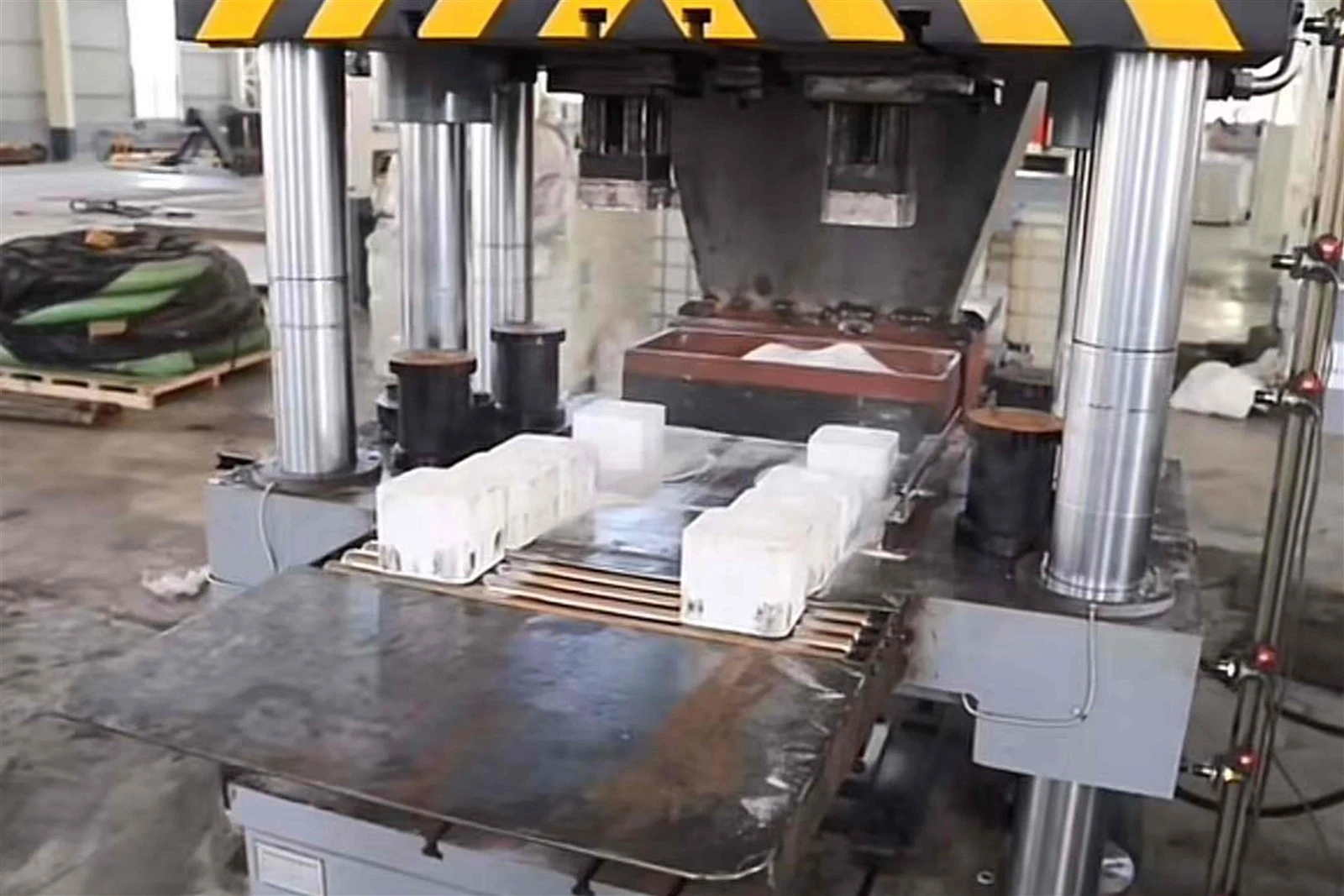
Multi-cavity molds produce several salt blocks in one pressing cycle, increasing output per stroke. The number and arrangement of cavities must be designed according to the block dimensions, press capacity, available worktable area, and total pressing area. Proper mold design helps distribute the load evenly and ensures consistent filling and compaction across all cavities.
For customers who need to produce salt blocks in different sizes, such as 3 kg, 5 kg, and 10 kg, interchangeable molds can be designed for use with the same press, provided the machine specifications allow for these configurations.
For products with special shapes, custom molds can incorporate features such as center holes, grooves, raised patterns, and brand logos. The design must also account for powder filling, pressing stability, and easy ejection. Final dimensions and mounting arrangements should be determined from the product drawings and the hydraulic press specifications.
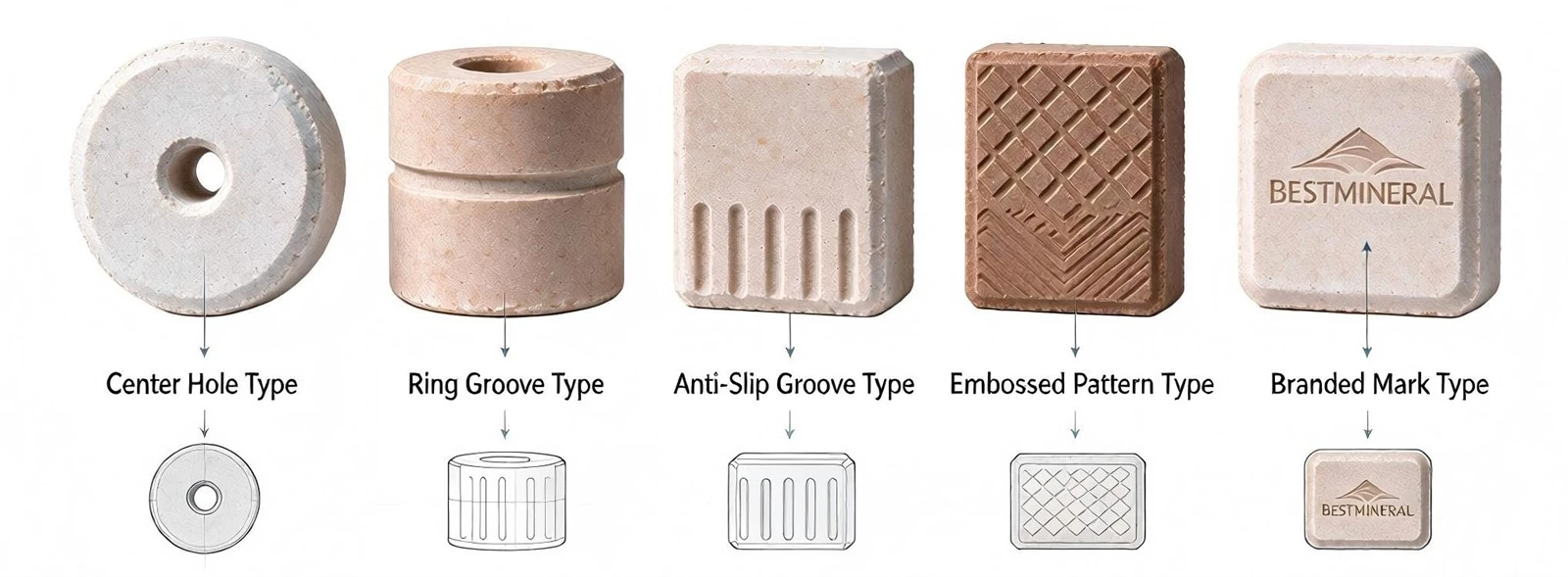
For products with special shapes, custom molds can incorporate features such as center holes, grooves, raised patterns, and brand logos. The design must also account for powder filling, pressing stability, and easy ejection. Final dimensions and mounting arrangements should be determined from the product drawings and the hydraulic press specifications.
Manual or Semi-Automatic Feeding
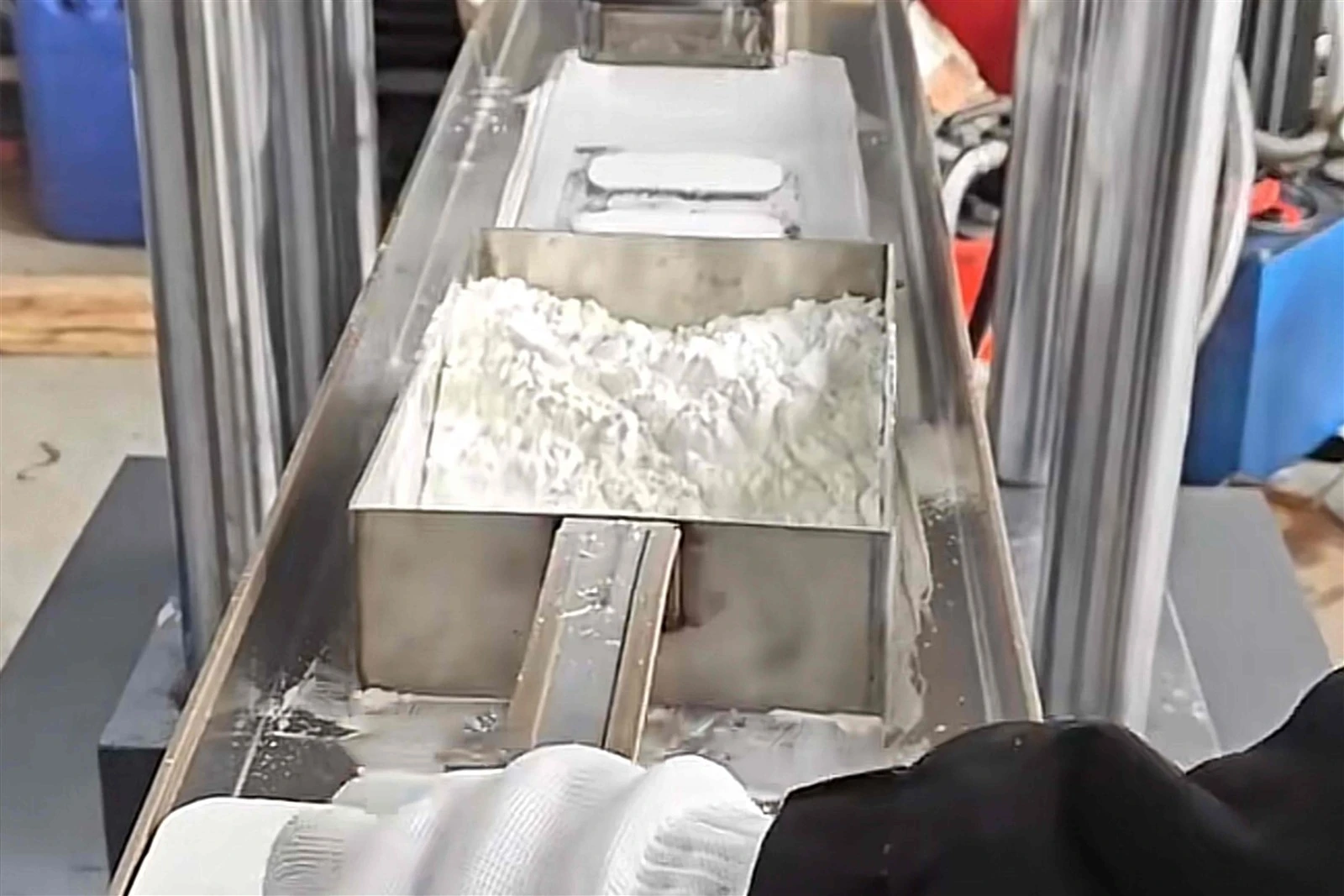
For small-batch production involving frequent product changes, manual or semi-automatic feeding may be suitable. Operators load a specified quantity of raw material into each mold cavity, making this approach practical for product trials and process adjustments.
Automatic Feeding Systems
For continuous production, a hopper-based feeding system can supply powder to the mold. Where consistent block weight is important, an automatic dosing system can be used to control the amount of material fed into each cavity by weight or volume, reducing the need for manual weighing.
Applications of Hydraulic Presses

Salt lick blocks produced by these hydraulic presses are primarily used to provide salt and trace minerals for ruminant livestock, including cattle, sheep, and deer. Salt blocks are also used for other animals, such as horses and camels, depending on their dietary requirements.
Beyond livestock salt blocks, this series of powder-compacting hydraulic presses can be used for various powder-molding applications. Depending on the material properties and production requirements, the equipment may be suitable for compacting mineral powders, animal feed mixtures, mineral ore powders, organic fertilizer, clay, and metal powders into blocks or briquettes.
About Us
Shandong Sunshine Machinery provides customized solutions for salt block production based on customer requirements, including product drawings, samples, raw material composition, and target output. We assess the required hydraulic press capacity, design suitable molds, and configure the feeding system to match the production process.
For salt blocks and mineral lick blocks, we consider factors such as block weight, mold cavity dimensions, required forming pressure, feeding method, and production volume. This helps us recommend equipment that fits the customer's actual manufacturing requirements.
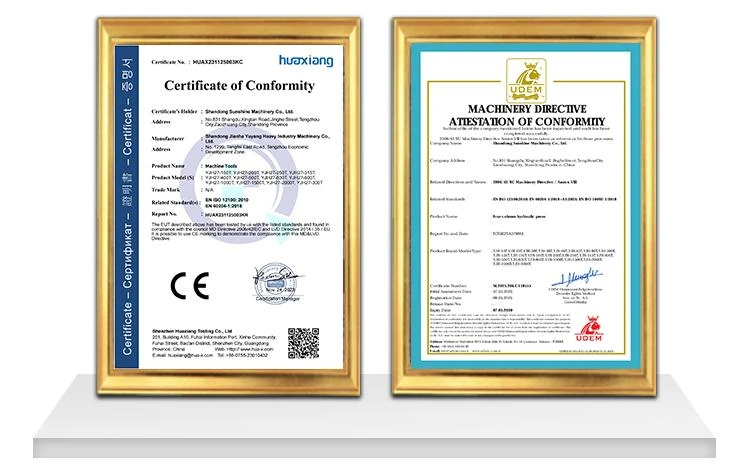
Our hydraulic presses are CE-certified, and the relevant technical documents are available for each model. During manufacturing, we carry out assembly, commissioning, and basic operational checks according to the equipment's requirements. Before shipment, customers can review the machine configuration and inspection results to understand the equipment's condition and readiness for delivery.
From equipment selection to production planning, we help customers choose hydraulic presses suited to their specific applications and production requirements for salt block manufacturing.
Get a Salt Block Hydraulic Press
If you plan to produce salt blocks weighing 3 kg, 5 kg, 10 kg, or other sizes, please share your product dimensions, raw material composition, and target production capacity. Based on these details, we can assess the required press tonnage, recommend a suitable mold design and feeding system, and help you choose a configuration that meets your production needs.
Hot Tags: salt lick block press machine, China, suppliers, manufacturers, wholesale, customized, bending four column hydraulic press, blanking hydraulic press, controller four column hydraulic press, riveting four column hydraulic press, Single arm Hydraulic Press, tea brick compression moulding hydraulic press
Send Inquiry
